Let me be straight with you: most keyword research guides you’ll find online are teaching you methods from 2019.
They tell you to stuff a seed keyword into a tool, grab whatever has high search volume, and start writing. That approach doesn’t just underperform in 2026 — it actively wastes your time and your content budget.
Search has changed. Google has changed. The way people type — and speak — into search bars has changed. And if your keyword research strategy hasn’t evolved with it, you’re not competing. You’re guessing.
In this guide, I’m going to walk you through how to do keyword research in 2026 the right way. Not the theoretical way — the practical, results-driven way I use for my own blog and client projects. Whether you’re a beginner trying to figure out how to find keywords for a blog or an experienced marketer who wants to sharpen your SEO keyword strategy, this post covers everything you need.
- Why Old-School Keyword Research No Longer Works
- What Keyword Research Actually Means in 2026
- Step 1: Start With Search Intent, Not Volume
- Step 2: Use the Right Tools for the Job
- Step 3: Find Long-Tail Keywords for Beginners and Pros Alike
- Step 4: Analyse the Competition — The Smart Way
- Step 5: Build a Keyword Map, Not Just a Keyword List
- Step 6: Validate With Real Data Before You Write
- Key Takeaways
- Final Thoughts
Why Old-School Keyword Research No Longer Works

Here’s the thing — the keyword research playbook most people follow was written for a completely different version of Google.
Back then, you picked a keyword, optimized your page for it, and Google matched your page to that exact search. Simple. Predictable. Mechanical.
Today, Google’s algorithm—powered by AI systems like BERT, MUM, and the more recent Search Generative Experience (SGE)—understands context, synonyms, relationships between topics, and user behavior patterns. It doesn’t just look at what people type. It interprets what they mean.
This has two major implications for your SEO keyword strategy:
- Targeting a single keyword per page is no longer enough. Google ranks pages for hundreds of related terms if your content covers a topic thoroughly.
- Search volume alone is a misleading metric. A keyword with 500 monthly searches and clear commercial intent can drive more revenue than a keyword with 10,000 searches and no buyer signals.
What most people miss is that keyword research in 2026 is less about finding the right words and more about understanding the right topics, angles, and audience moments.
What Keyword Research Actually Means in 2026
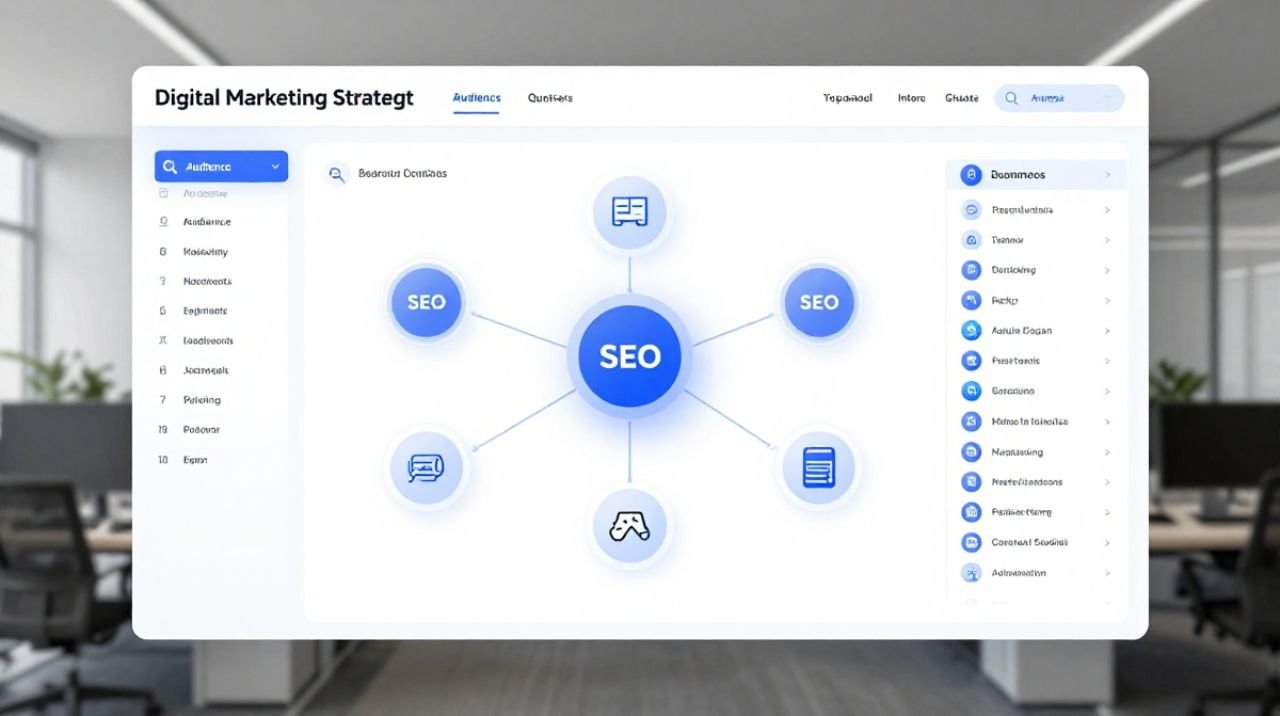
Think of keyword research not as a list-building exercise, but as an audience research exercise.
You’re not just asking, “What words does Google rank?” You’re asking, “What questions are my audience asking, what problems are they trying to solve, and how can I create the most useful content for those moments?”
In 2026, effective keyword research sits at the intersection of the following:
- Search intent — Why is someone searching for this?
- Topic clusters — How does this keyword relate to the broader subject I’m covering?
- Competition reality — Can I realistically rank for this, given my site’s authority?
- Business alignment — Will ranking for this keyword actually move the needle for my goals?
With that framework in mind, here’s how I approach the process step by step.
Step 1: Start With Search Intent, Not Volume
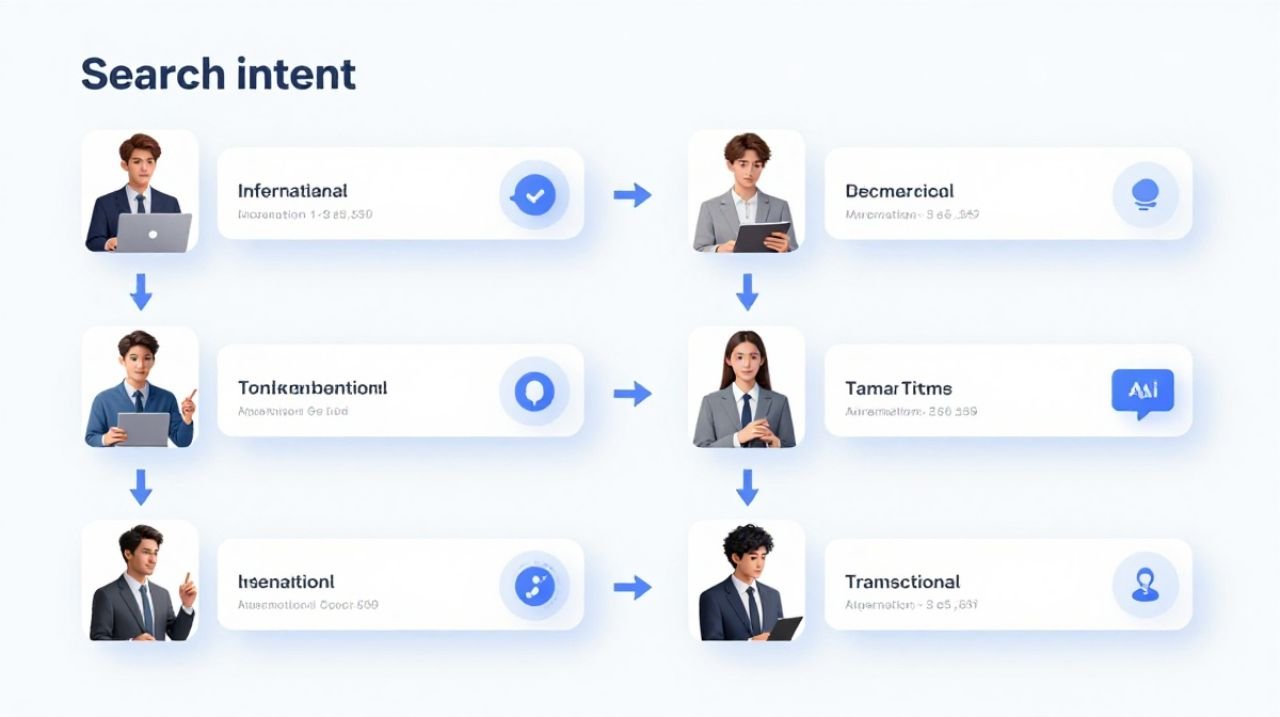
This is the single most important shift you can make in your keyword research process.
Search intent refers to the reason behind a search query. Google categorizes this broadly into four types:
- Informational—The user wants to learn something (“how to do keyword research”)
- Navigational — The user wants to find a specific website (“Ahrefs login”)
- Commercial—The user is researching before buying (“best SEO tools 2026”)
- Transactional—The user is ready to act (“buy Ahrefs subscription”)
In my experience, most bloggers make the mistake of targeting informational keywords when they actually need commercial ones to monetize, or they chase transactional keywords without the authority to rank for them.
Before you lock in on any keyword, ask yourself: What does someone who types this actually want? And does your content plan match that expectation?
A practical way to test this: Google the keyword yourself and look at the top 10 results. Are they blog posts, product pages, forum threads, or videos? That tells you what Google thinks the intent is — and what format your content needs to take.
Step 2: Use the Right Tools for the Job

There’s no shortage of keyword research tools in 2026, but not all of them serve the same purpose. Here’s how I use them in combination:
For Core Keyword Discovery
- Ahrefs Keywords Explorer — My go-to for accurate volume data, keyword difficulty scores, and SERP analysis.
- Semrush Keyword Magic Tool—Great for finding keyword clusters and content gap opportunities.
- Google Keyword Planner — Still useful for validating search intent, especially for commercial queries.
For Finding Real Questions People Ask

- AnswerThePublic / AlsoAsked—Surfaces the actual questions people search for around a topic. Gold for long-tail keywords for beginners.
- Reddit and Quora — Real conversations show you how your audience talks about a topic. Often reveals angles that keyword tools miss.
- Google’s ‘People Also Ask’ and ‘Related Searches’—Free, underutilized, and genuinely useful for LSI keywords.
For AI-Assisted Keyword Research

In 2026, AI tools have become a legitimate part of the keyword research process. I use tools like Claude and ChatGPT not to replace data-driven tools, but to
- Generate semantic keyword variations I might not have thought of
- Help me understand the subtopics that should live under a pillar keyword
- Brainstorm content angles for a specific keyword cluster
The key is always to validate AI-suggested keywords against real search data before building content around them.
Step 3: Find Long-Tail Keywords for Beginners and Pros Alike
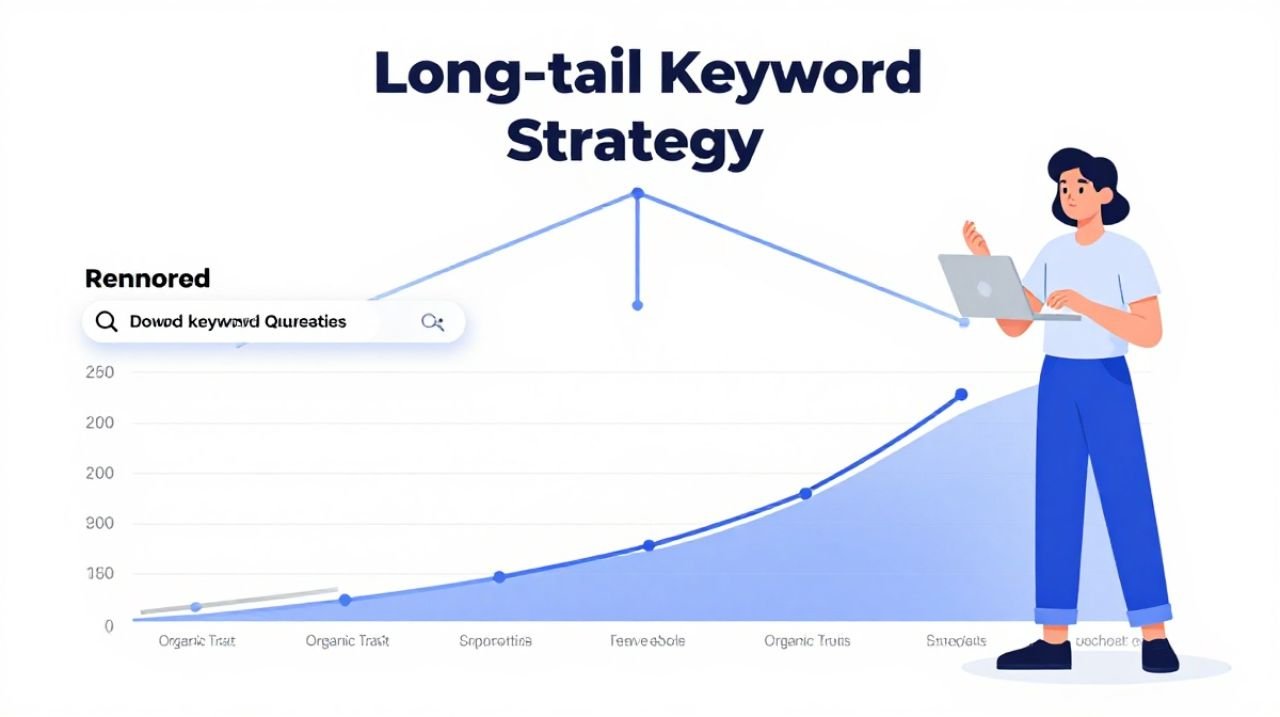
If you’re building a new blog or targeting a competitive niche, long-tail keywords are your best friend.
Here’s why long-tail keywords for beginners (and anyone without a high-authority domain) are so powerful:
- Lower competition — Fewer sites are targeting them, which means it’s easier to rank.
- Higher conversion rates — More specific queries come from people who know what they want.
- Faster results — You can start seeing organic traffic within weeks, not years.
Let me walk you through a real example. Say your primary keyword is “keyword research 2026.” “That’s competitive. But drill down, and you’ll find long-tail variations like
- “How to do keyword research for a new blog with no traffic.”
- “Keyword Research for Beginners: Step by step”
- “free keyword research tools for small business”
- “How to find low-competition keywords in 2026.”
Each of these has a lower volume but a much more specific searcher—someone with a clear problem who is likely to read your post, trust it, and act on it.
My rule of thumb: for every primary keyword I target, I map 5-10 supporting long-tail keywords that I naturally weave into the same post or supporting content.
Step 4: Analyse the Competition — The Smart Way

Before you commit to targeting any keyword, you need to understand what you’re up against.
Most people open a keyword tool, see a “difficulty” score of 45, and think, “That seems manageable.” That’s a mistake. Keyword difficulty scores are proxies—useful, but incomplete.
Here’s how I actually analyze competition for any keyword I’m considering:
- Check the top 10 results manually. Who is ranking? Big publications like HubSpot, Forbes, and Moz, or individual blogs like yours?
- Look at the Domain Rating (DR) or Domain Authority (DA) of ranking pages. If the top 10 are all DR 70+ sites, you need either a very strong content edge or to find a related long-tail variation.
- Analyze the content depth. Are the ranking posts 800 words or 3,000 words? Are there content gaps—important subtopics they haven’t covered?
- Check the backlink profile of ranking pages. If every top result has 200+ backlinks, that keyword will take significant effort to crack.
What most people miss is that you don’t need to be the biggest site in your niche to rank. You need to be the most helpful, most comprehensive resource for the specific searcher at that specific moment.
Step 5: Build a Keyword Map, Not Just a Keyword List
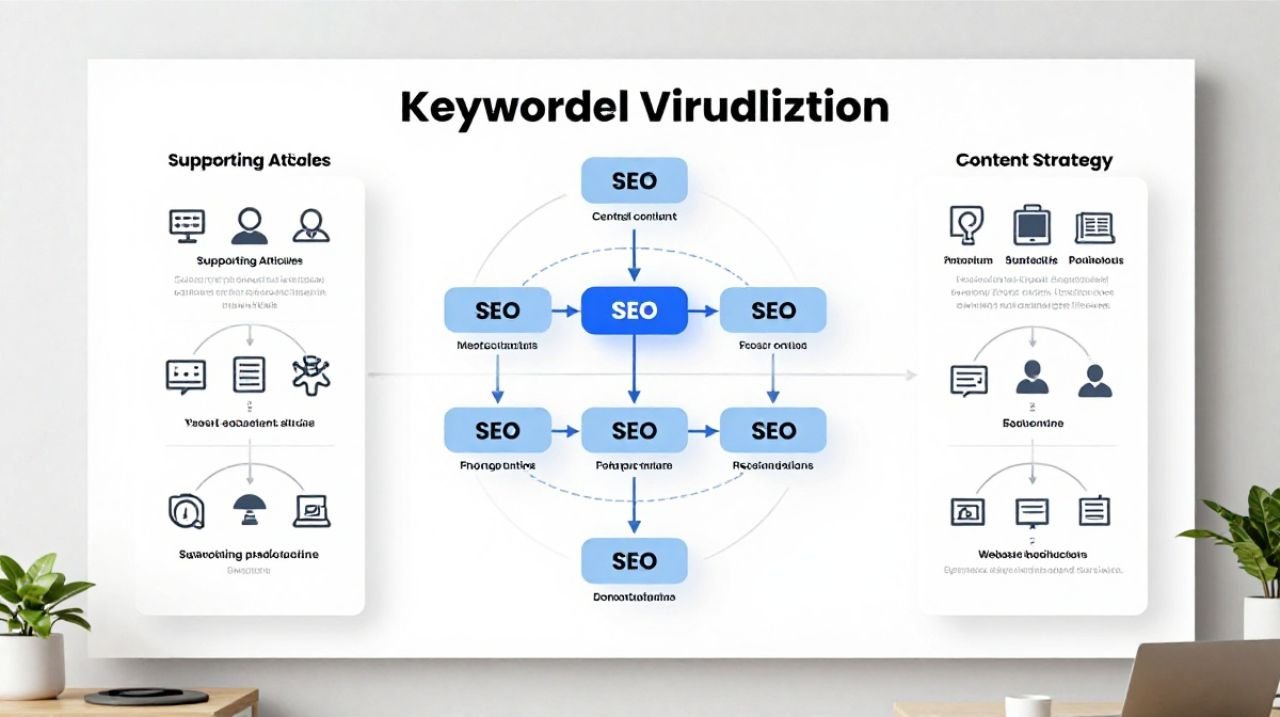
Here’s where most bloggers stop—they have a list of keywords, and they start writing posts randomly. That’s not a strategy. That’s content chaos.
A keyword map is a structured plan that organizes your keywords into a logical hierarchy aligned with your blog’s topic clusters. It looks something like this:
| Pillar Topic | Primary Keyword | Supporting Keywords | Content Type |
| SEO Fundamentals | keyword research 2026 | long-tail keywords, SEO keyword strategy | How-To Guide |
| SEO Fundamentals | on-page SEO 2026 | title tags, meta descriptions, internal linking | Checklist Post |
| Content Marketing | How to find keywords for a blog | beginner keyword research, free SEO tools | Beginner’s Guide |
This structure tells you exactly what to write, how to interlink posts, and how to build topical authority in your niche—which is one of the most important SEO ranking factors in 2026.
Step 6: Validate With Real Data Before You Write

Before I write a single word of any post, I run a quick validation check on my target keyword. Here’s my process:
- Confirm the search volume is consistent (not seasonal or declining). I check the 12-month trend in Ahrefs or Google Trends.
- Verify the SERP is rankable for my site. If top results are all DR 80+ and I’m at DR 30, I either need to target a variation or build more authority first.
- Check that monetization potential exists. If the keyword has no commercial adjacent queries, it might drive traffic without driving leads or revenue.
- Look for featured snippet opportunities. If Google is already showing a featured snippet, I format my content specifically to try to capture it.
This validation step takes about 10-15 minutes per keyword, but it prevents you from spending hours writing content that will never rank.
Key Takeaways
- Old-school keyword research focused on volume is outdated. In 2026, search intent and topic relevance are the primary drivers of SEO success.
- Always start with search intent — understand why someone is searching before you target any keyword.
- Use a combination of tools: Ahrefs or Semrush for data, AnswerThePublic for questions, and AI tools for semantic expansion—then validate everything with real data.
- Long-tail keywords for beginners and newer blogs are the smartest entry point into competitive niches—lower competition, higher conversion rates, and faster results.
- Analyze competition beyond the difficulty score. Look at DR, content depth, and backlink count of ranking pages.
- Build a keyword map — not just a list — to create topical authority and structure your content strategically.
- Validate every target keyword before writing. Confirm trend stability, rankability, and monetization potential.
Final Thoughts
Keyword research in 2026 isn’t rocket science, but it is a skill that requires you to think beyond spreadsheets and search volumes.
The bloggers and marketers who are winning today aren’t the ones with the biggest keyword lists. They’re the ones who understand their audience deeply, map content to real intent, and build comprehensive topic clusters instead of chasing isolated keywords.
Take action on one thing from this post today. Whether it’s auditing your existing keyword strategy for intent alignment, building your first keyword map, or going deeper on long-tail variations for your next post—do it now. The results compound over time, but only if you start.
I want to hear from you — where are you in your keyword research journey right now? Are you still going by volume alone, or have you made the shift to intent-first research?
Drop a comment below and tell me: What’s the biggest keyword research challenge you’re facing in 2026? I read every reply and often turn your questions into future posts.
If you found this guide useful, share it with a blogger or marketer who needs to update their SEO strategy—it might just change the direction of their next content plan.
And if you’re not already on my weekly newsletter, subscribe below. Every week, I send one actionable SEO, marketing, or blogging tip straight to your inbox — no fluff, no filler.