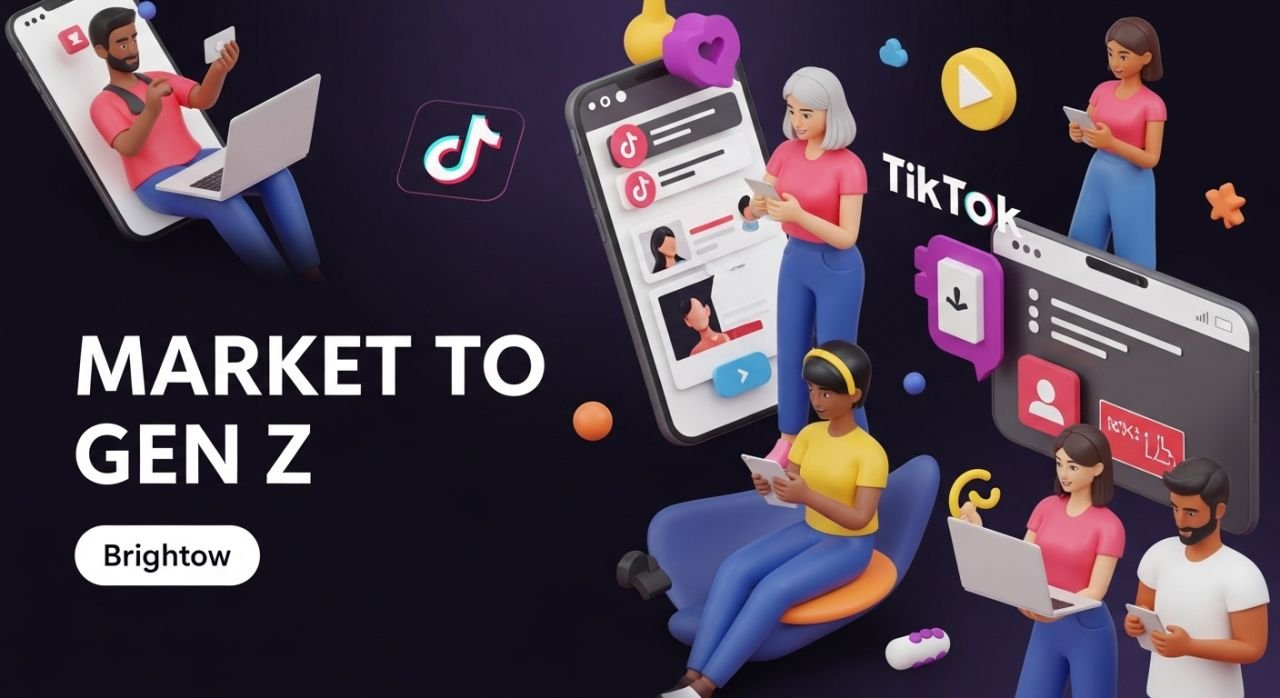
Old-style ads like TV commercials, pop-up banners, and loud sales messages no longer work the way they used to. Gen Z simply scrolls past them. They skip ads fast. They block what feels fake. And they trust people more than brands. That’s why many businesses struggle to connect, even when their products are good.
Gen Z is a digital-native generation. They grew up with phones, apps, and social media in their hands. They don’t just watch content—they interact with it. They care about values, honesty, and real stories. If a brand pretends or tries too hard, Gen Z notices right away. Because of this, traditional advertising feels boring and untrustworthy to them.
So, what actually works? The answer is authenticity marketing and smart TikTok marketing. Gen Z loves short videos, real voices, and fun storytelling. TikTok is not just an app for dances. It is where Gen Z learns, searches, shops, and decides what brands to trust. That’s why TikTok has become one of the most powerful tools today.
In this guide, you will learn how to market to Gen Z simply and effectively. We will explain why honesty beats perfection. We will show how brands can connect without sounding like ads. And we will explore how TikTok helps brands feel human, not corporate.
So, if you want your brand to be seen, liked, and trusted, you are in the right place. This post will show you how authenticity and TikTok are shaping the future of Gen Z marketing—and why old advertising is officially over.
- Understanding Gen Z Consumer Behavior Before You Market to Them
- Why Traditional Advertising Is Failing With Gen Z
- Authenticity Marketing — The Core of How to Market to Gen Z
- TikTok Marketing Explained: Why TikTok Is Gen Z’s Favorite Platform
- How to Market to Gen Z on TikTok Without Sounding Like an Ad
- Building Trust and Brand Loyalty With Gen Z Consumers
- Common Mistakes Brands Make When Marketing to Gen Z
- The Future of Marketing Belongs to Gen Z
Understanding Gen Z Consumer Behavior Before You Market to Them
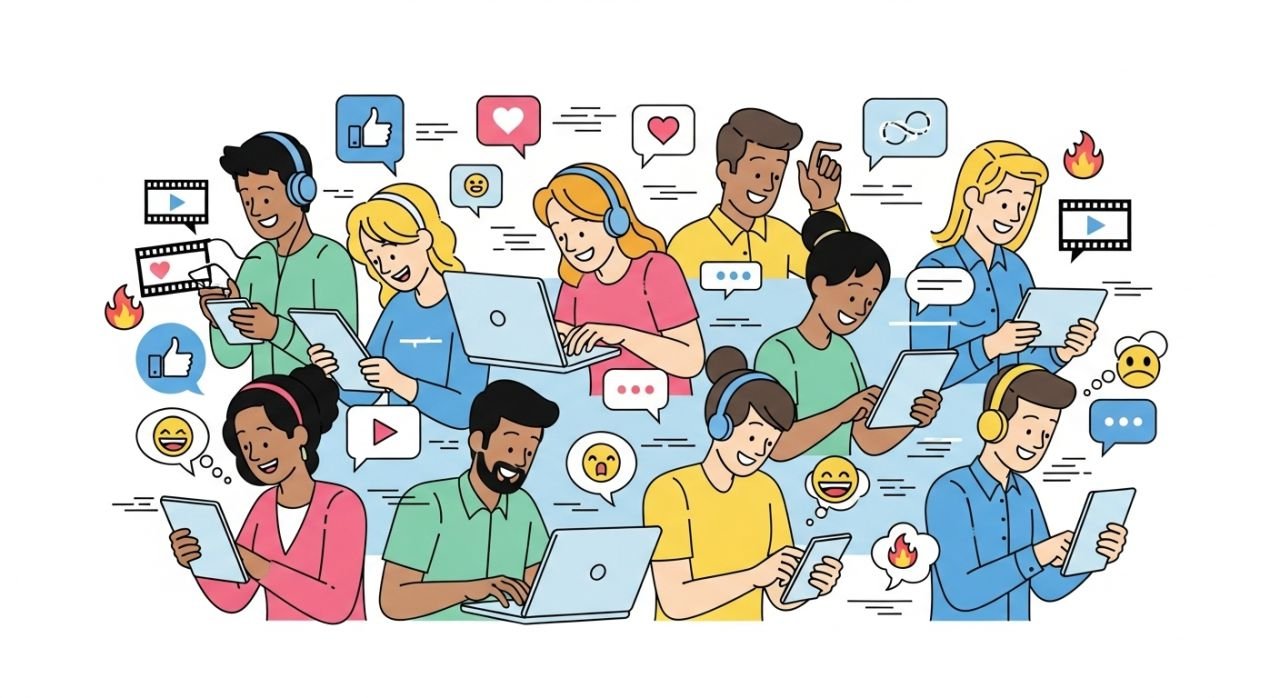
Before you learn how to market to Gen Z, you must first understand how they think, feel, and choose. This step is the foundation of Gen Z marketing. Without it, even the best ads can fail. Gen Z is not hard to reach. However, they are very easy to lose. That’s why knowing their behavior matters so much.
Gen Z grew up with phones, apps, and social media. Because of this, they learn fast and scroll faster. They see thousands of posts every day. So, they decide in seconds what to watch and what to skip. This makes Gen Z consumer behavior very different from older groups.
What Makes Gen Z Different From Millennials?
Gen Z has a short attention span, but a sharp mind. They understand content quickly. They can spot ads fast. And they don’t like being pushed to buy. This means they have low tolerance for boring or fake ads. If a message feels forced, they move on.
Also, Gen Z cares deeply about identity, community, and values. They want brands to stand for something real. They support companies that speak up, stay honest, and treat people fairly. Because of this, Gen Z brand engagement comes from shared beliefs, not loud promotions.
Unlike Millennials, Gen Z does not wait for brands to explain themselves. Instead, they search, watch reviews, and listen to creators. This is why social media marketing for Gen Z works best when it feels natural and friendly.
Gen Z Values Transparency, Humor, and Realness
Gen Z loves truth and transparency. They want brands to be open and clear. If a product has limits, say it. If a brand makes a mistake, admit it. This honest approach is the heart of authentic marketing.
When brands are real, trust grows. And when trust grows, loyalty follows. That is why authentic brand marketing works better than perfect ads. Gen Z prefers real people, real voices, and real stories.
Also, Gen Z enjoys humor and fun. They like brands that can laugh and stay relaxed. Serious ads feel heavy. Funny and simple content feels friendly. This is why short videos and casual posts do well, especially on TikTok.
On the other hand, polished ads often feel “fake” to Gen Z. Too much editing, perfect models, and scripted lines can feel cold. Gen Z wants content that looks human, not corporate. That’s why short-form video marketing and creator-led content perform so well.
In the end, understanding Gen Z is not about tricks. It’s about respect. When brands listen, stay honest, and show real value, Gen Z responds. This knowledge sets the stage for smart TikTok marketing and long-term success.
Understand Gen Z first. Market second. That’s how real connection begins.
Why Traditional Advertising Is Failing With Gen Z
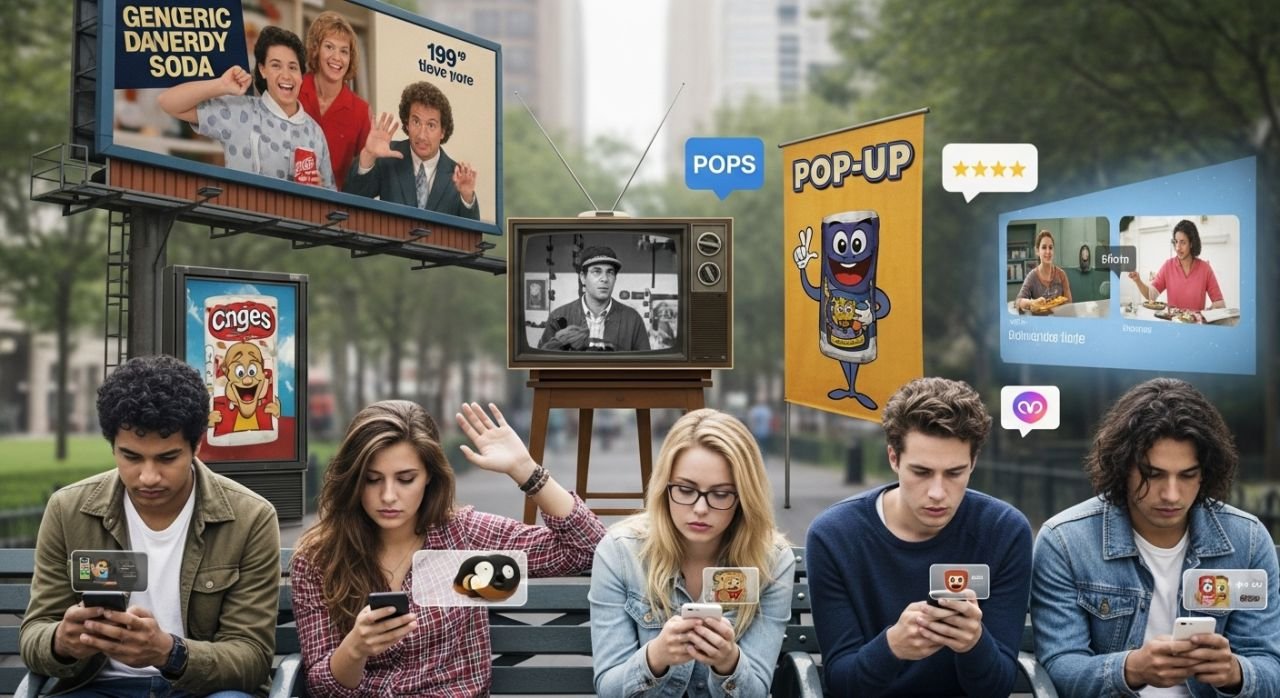
To understand how to market to Gen Z, we must first see why old marketing no longer works. Traditional advertising was built to interrupt. It stopped showing. It blocked screens. It pushed sales. But Gen Z does not like to be interrupted. Instead, they like to choose what they watch. Because of this, traditional advertising is losing its power with today’s young audience.
Gen Z is smart and fast. They grew up online. They know when something is an ad. And they decide very quickly if it is worth their time. This change has reshaped Gen Z advertising trends and forced brands to rethink their strategies.
The Decline of Interruptive Ads
Interruptive ads are everywhere. These include TV commercials, banner ads, pop-ups, and hard-selling messages. In the past, people had to watch them. Today, Gen Z does not. They skip ads. They block them. Or they scroll past them in seconds.
Gen Z has a strong skill called content literacy. This means they understand media very well. They know when a brand is trying too hard. As a result, boring ads fail fast. Loud sales messages feel annoying. And forced promotions feel fake.
Also, technology helps Gen Z avoid ads easily. With one tap, they can skip. With one swipe, they can ignore. Because of this, interruptive advertising no longer holds attention. It only creates noise, not a connection.
Trust Shift From Brands to Creators
Another big change is trust. Gen Z trusts people more than logos. They believe creators, not companies. They listen to real voices, not brand slogans. This is why influencer marketing for Gen Z works better than traditional ads.
Creators feel human. They talk like friends. They share honest opinions. Because of this, Gen Z feels safe listening to them. Brands, on the other hand, often sound scripted. This makes trust harder to build.
This shift has changed modern marketing. Today, Gen Z brand engagement comes from stories, not slogans. It comes from creators, not commercials. Brands that work with creators and allow real expression see better results.
As a result, TikTok marketing and creator-led content are leading the way. These formats feel natural. They don’t interrupt. They invite Gen Z to watch by choice.
In the end, traditional ads fail because they talk at Gen Z. Modern marketing works. After all, it talks with them. To reach Gen Z, brands must stop interrupting and start connecting.
Authenticity Marketing — The Core of How to Market to Gen Z
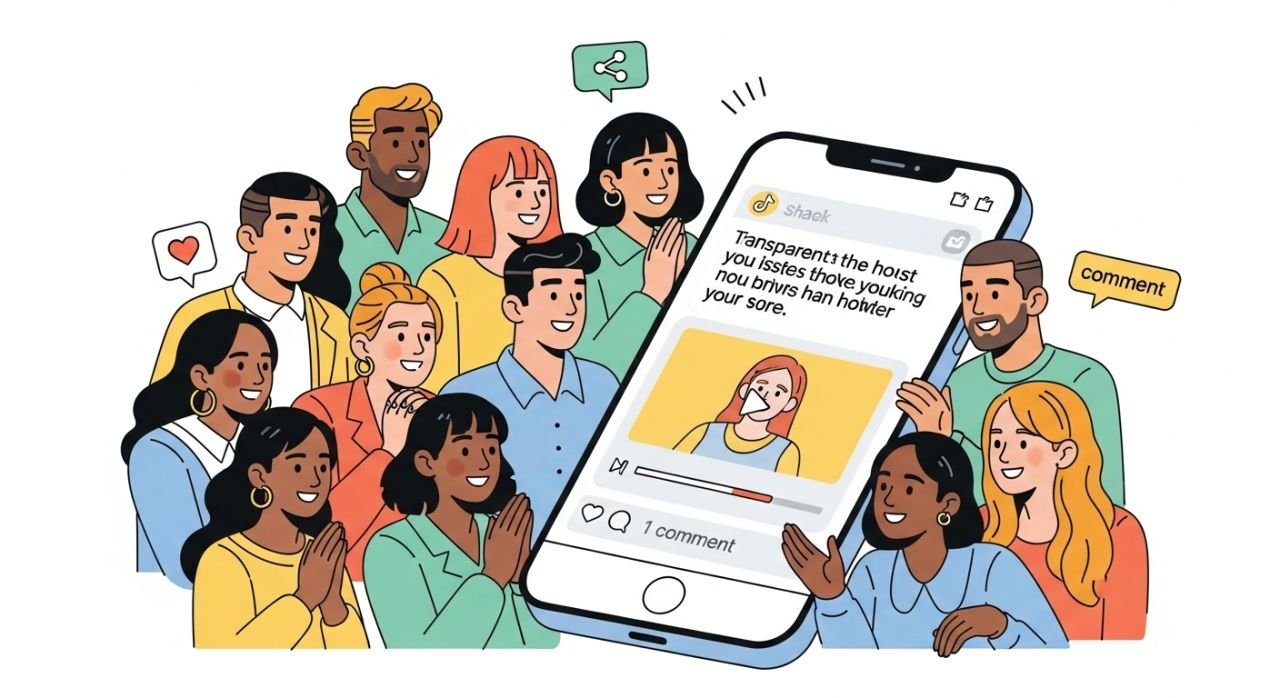
If you want to learn how to market to Gen Z, you must start with one big idea: authenticity marketing. This is not a trend. It is the heart of Gen Z marketing. Gen Z does not want perfect ads. They want real moments. They want brands that feel human. Because of this, authenticity matters more than ever.
Gen Z sees a lot of content every day. They know what feels real and what feels fake. So, brands must speak honestly and act honestly. This builds trust. And trust leads to strong Gen Z brand engagement.
What Authenticity Marketing Really Means (And What It Doesn’t)
Authenticity marketing means being real, not trying too hard. It means showing your true voice. It means talking like a person, not a robot. Gen Z likes brands that feel friendly and simple.
However, authenticity does not mean being messy or careless. It means choosing transparency over perfection. You do not need to hide mistakes. You can explain them. You do not need to look perfect. You just need to be honest.
On the other hand, trying too hard can hurt a brand. Using fake slang. Copying trends without meaning. Or pretending to be something you are not. Gen Z notices this fast. When that happens, trust breaks.
That is why authentic brand marketing works best when it feels natural. Short videos. Simple words. Real faces. This style fits well with short-form video marketing and modern platforms like TikTok.
How Brands Can Show Authenticity Without Being Cringe
So, how can brands stay real without being awkward? First, use real voices and real stories. Show your team. Share your journey. Talk about wins and lessons. This makes brands feel alive.
Next, focus on honest messaging. Say what your product does. Say what it doesn’t do. This honesty helps build Gen Z trust in brands. And trust always comes before sales.
Also, brands must align actions with values. If a brand talks about care, it must show care. If it talks about fairness, it must act fairly. Gen Z watches what brands do, not just what they say.
This is why TikTok marketing works so well for Gen Z. TikTok allows brands to be casual, creative, and real. It rewards honesty over polish. And it gives space for creators to share stories in their own way.
In the end, authenticity is not about being cool. It is about being true. When brands stay real, Gen Z listens. And that is the strongest marketing of all.
TikTok Marketing Explained: Why TikTok Is Gen Z’s Favorite Platform
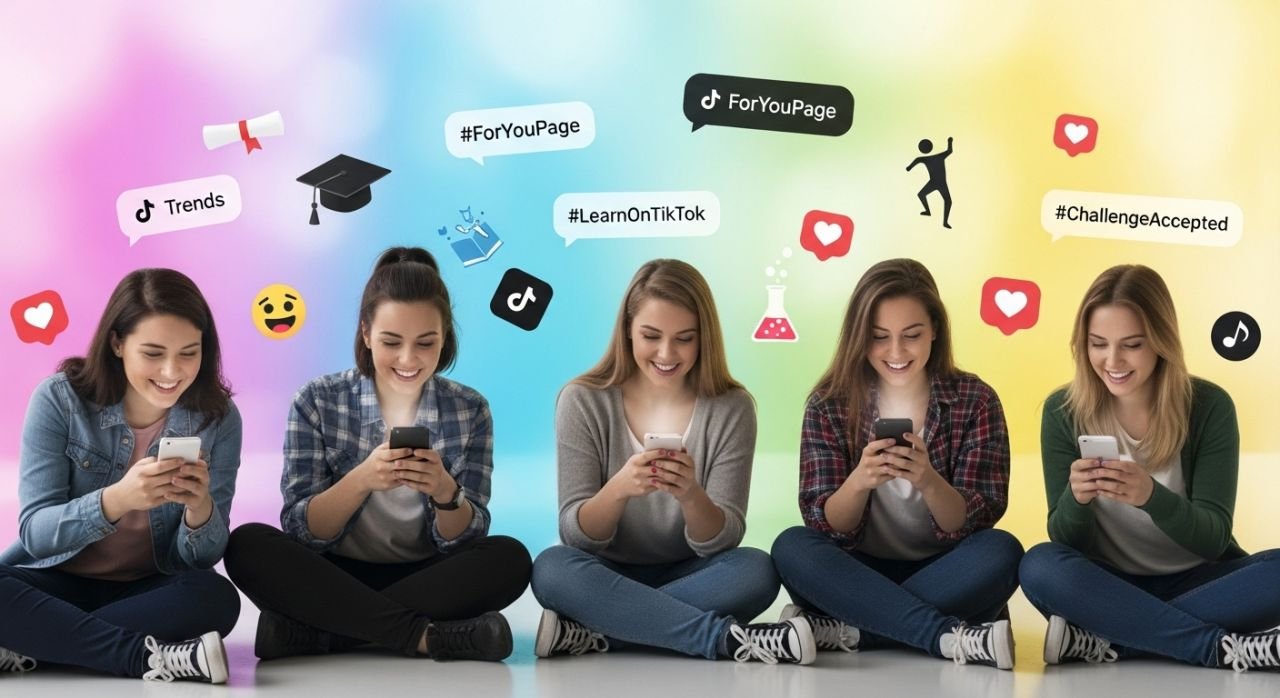
To truly understand how to market to Gen Z, you must understand TikTok. TikTok is not just a fun app. It is a place where Gen Z learns, searches, and decides what to buy. Because of this, TikTok marketing has become one of the strongest tools in modern Gen Z advertising.
Gen Z opens TikTok every day. They scroll. They watch. And they learn. TikTok feels real and fast. It shows videos that match what people like. That is why Gen Z spends so much time there. For brands, this creates a big chance to connect naturally.
How Gen Z Uses TikTok (Not Just for Entertainment)
Yes, TikTok is fun. But it is also very useful. Gen Z uses TikTok for discovery. They find new ideas, new trends, and new brands. They also use it for education. Short videos teach them skills, facts, and life tips.
Even more, Gen Z uses TikTok for product research. Before buying, they search for reviews. They watch real people test products. They trust these honest videos more than ads. This behavior is changing Gen Z consumer trends.
Because of this, TikTok has become a search engine for Gen Z. Instead of Google, many young users search TikTok first. They type questions. They watch answers. This makes TikTok very powerful for brands that want to be found.
Why TikTok Marketing Outperforms Traditional Social Ads
TikTok works differently from other platforms. It uses a smart system called an algorithm. This system shows videos based on interest, not follower count. Because of this, even small brands can get noticed. This is a huge algorithm advantage.
Also, TikTok rewards creativity, not money. Organic reach is strong. A simple, honest video can reach thousands. On other platforms, brands often need to pay for views. This makes TikTok marketing more fair and fun.
Paid ads still exist. But on TikTok, they work best when they feel natural. Hard selling does not work well. Soft stories do. This is why short-form video marketing and creator-led content shine.
In the end, TikTok wins because it feels human. It does not interrupt. It invites. For Gen Z, TikTok is not just a platform. It is a daily habit. And for brands, it is the best place to build trust and grow.
How to Market to Gen Z on TikTok Without Sounding Like an Ad
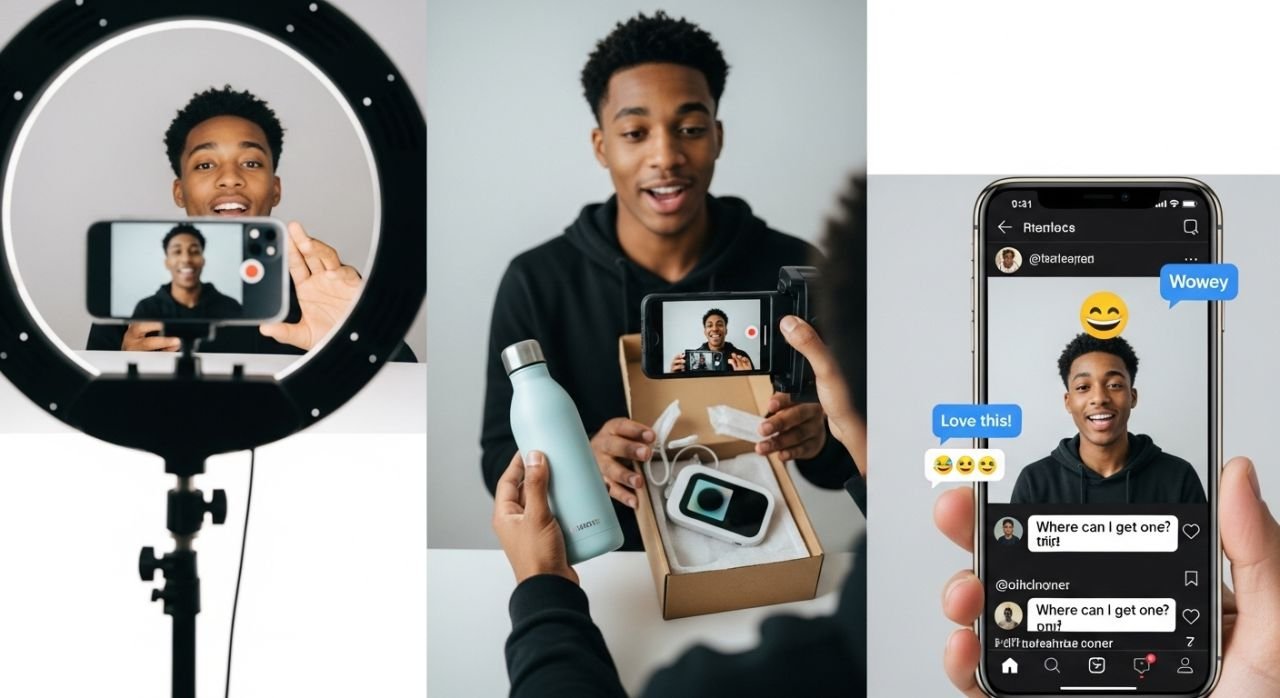
If you want to learn how to market to Gen Z, TikTok is the best place to start—but only if you do it right. Gen Z scrolls fast and notices fake ads immediately. That’s why authentic TikTok marketing must feel natural, fun, and real. Hard-selling or polished corporate videos usually fail. Instead, brands need short, creative, and honest content that connects without interrupting.
Content Formats That Work With Gen Z
Gen Z loves short-form video marketing because it is fast, easy, and exciting. TikTok videos that last 15 to 60 seconds can capture attention quickly. Brands should focus on trends, storytelling, and behind-the-scenes content.
- Trends: Join challenges or hashtags that fit your brand naturally. Gen Z notices when trends are copied blindly, so be creative.
- Storytelling: Share mini-stories about your products, team, or mission. Stories feel real and relatable, building trust.
- Behind-the-scenes: Show how products are made, how the team works, or what happens in daily operations. This transparency builds authentic brand engagement.
The key is simplicity. Videos should feel like a friend talking, not a company selling. Use humor, honesty, and real voices.
Creator-Led and Influencer Marketing for Gen Z
Gen Z trusts people more than logos. That’s why creator-led marketing works better than traditional ads. But not all influencers are equal.
- Micro-influencers vs. celebrities: Micro-influencers often have smaller audiences, but their followers trust them more. They feel real and relatable. Celebrities reach more people, but Gen Z sometimes doubts their authenticity.
- Let creators speak in their own voice: Don’t script every word. Let them share genuine opinions, tips, or experiences. This approach increases engagement and loyalty.
Creators add human touch and relatability. They help brands connect naturally and avoid “ad fatigue,” which happens when Gen Z sees too many polished ads.
Finally, remember that TikTok marketing is about permission, not interruption. Invite Gen Z to watch. Make it fun. Make it honest. When brands do this, authenticity marketing works, trust builds, and engagement grows.
The goal is clear: connect, entertain, and inform without ever feeling like a pushy ad. That’s how brands win Gen Z hearts.
Building Trust and Brand Loyalty With Gen Z Consumers

To truly succeed in marketing to Gen Z, brands must focus on trust first. Gen Z does not just buy products—they choose brands they believe in. Building brand loyalty takes time, honesty, and consistent effort. When done right, it turns first-time buyers into lifelong fans and even advocates for your brand.
Gen Z Buying Behavior and Brand Trust
Gen Z is smart when it comes to shopping. They research before they buy. They check social proof, read reviews, and look for community validation. If other people trust a product, they are more likely to try it.
This generation also cares about authentic brand marketing. Fake claims or overhyped promises are ignored. Instead, brands that show real stories, real people, and real results earn Gen Z’s attention. Transparency builds trust, and trust drives purchases.
Moreover, Gen Z often uses platforms like TikTok and Instagram to see how products work in real life. Short videos showing authentic experiences can influence their buying decisions more than traditional ads ever could. This shows how social media marketing for Gen Z is crucial for creating meaningful connections.
How Authentic Brands Turn Gen Z Into Advocates
Once a brand earns trust, it can create advocates—customers who recommend it to friends and online communities. Brands do this through two-way conversations. Listening to feedback, responding to comments, and engaging in discussions show that a brand cares.
Another key is community-driven brand engagement. Gen Z loves being part of something bigger. Brands that create spaces for fans to share ideas, give input, and celebrate together build deeper loyalty. When Gen Z feels heard and valued, they naturally share their positive experiences.
In the end, building trust and loyalty is not about quick sales. It’s about honesty, openness, and real connections. By focusing on authentic messaging, leveraging reviews and social proof, and creating engaging communities, brands can turn Gen Z from casual customers into passionate advocates.
Trust comes first, engagement follows, and loyalty lasts. That’s how brands win Gen Z hearts.
Common Mistakes Brands Make When Marketing to Gen Z
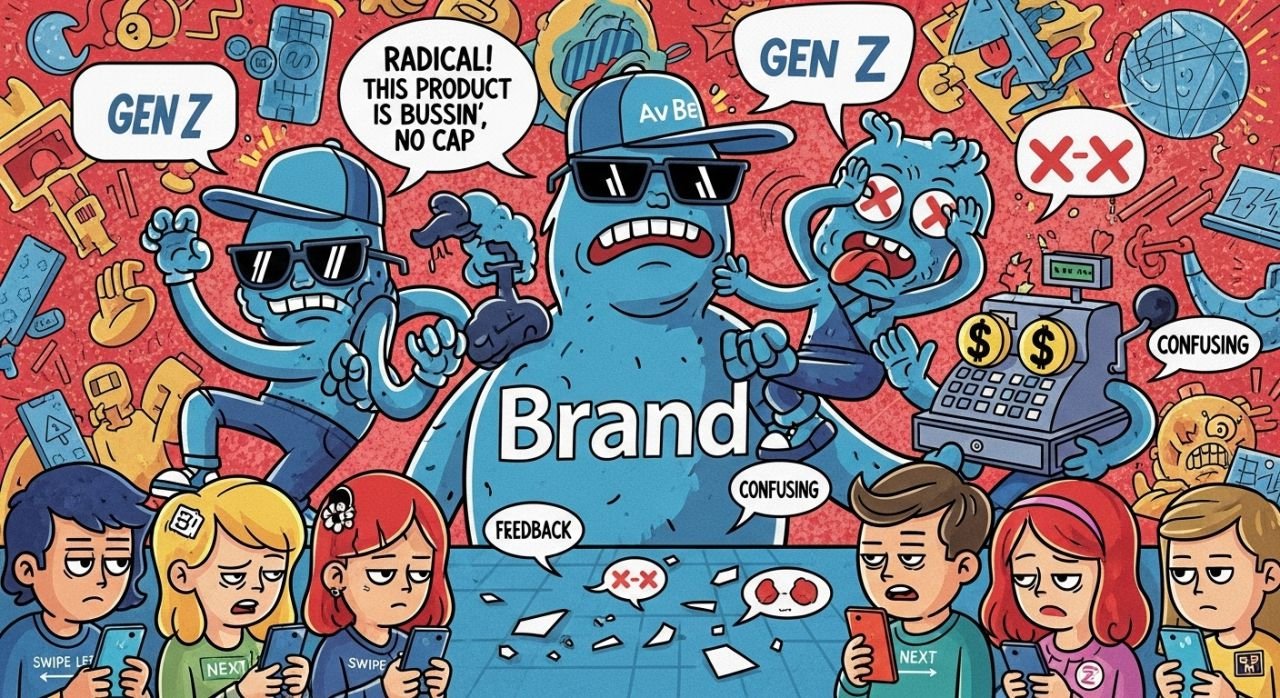
Even the smartest brands can slip up when learning how to market to Gen Z. Gen Z is sharp and notices when a brand is fake or trying too hard. One common mistake is forcing trendy words or slang into messages. Gen Z can tell when it’s not natural, and it often feels awkward or annoying.
Another mistake is copying trends without truly understanding them. Trends move fast, but if a brand jumps in just to follow the hype, it can seem out of touch. Gen Z respects creativity and authenticity, so brands must adapt trends in ways that feel real and meaningful.
Ignoring Gen Z feedback is also risky. This generation talks online, leaves reviews, and shares opinions constantly. Brands that do not listen or respond miss opportunities to build trust and loyalty. Paying attention to feedback shows that the brand cares and values its audience.
Finally, focusing only on selling instead of connecting is a big error. Gen Z does not like pushy ads or constant promotions. They want brands to engage, share stories, and offer real value. Connection comes before conversion, and long-term loyalty follows when brands prioritize relationships over immediate sales.
In short, to succeed with Gen Z, brands must be honest, relevant, and engaging. Avoid fake slang, shallow trend-copying, ignoring feedback, or overselling. Focus on building real connections, and Gen Z will listen, trust, and support your brand naturally.
The Future of Marketing Belongs to Gen Z
Marketing is not broken. It has simply grown up. To succeed today, brands must understand how to market to Gen Z authentically and honestly. As we’ve seen, authenticity marketing and smart TikTok marketing are no longer optional. They are essential. Gen Z wants truth. They want fun. And most of all, they want brands that feel human.
Remember this: Gen Z is not anti-advertising. They are anti-fake. They don’t hate brands. They hate being tricked. When ads feel honest, helpful, and creative, Gen Z pays attention. That is why short-form video marketing, creator-led content, and real stories work better than loud promotions.
Also, strong brands don’t rush. Long-term relationships matter more than quick sales. Gen Z values trust, community, and shared beliefs. When brands listen, respond, and stay consistent, loyalty grows naturally. This approach builds real Gen Z brand engagement and lasting impact.
Now it’s time to take action. Start marketing to Gen Z the right way. First, audit your current marketing approach. Ask yourself: Does it feel real or forced? Next, test authentic, creator-led TikTok content. Let creators speak in their own voice. Finally, focus on trust before conversion. Sales come later.
If you want to go deeper, you’re not alone. Explore Proven Strategies to Master Generational Marketing Today!. Learn how Gen Z behavior is changing advertising and how your brand can grow with it.
Be real. Be human. And Gen Z will listen.