

Did you know that over 50% of small businesses fail to grow because they don’t use the right strategies? Many owners struggle to compete with bigger companies. Others face tight budgets. And slow revenue growth can feel frustrating.
But it doesn’t have to be this way. In 2026, there are powerful small business growth strategies you can use. These strategies help you scale faster. They make your business smarter and stronger.
In this post, we’ll explore small business growth strategies that really work. You’ll learn how to market your business better, improve operations, and build strong customer relationships. You’ll also see how using the right tools can save time and boost revenue.
Even small businesses with limited resources can use these tips. They are actionable, proven, and easy to follow. By applying them, you can compete with larger companies and dominate your market.
By the end, you’ll have a clear roadmap for growth. You’ll know exactly what steps to take to increase sales, reach more customers, and make your business more efficient.
If you’re ready to stop struggling and start thriving, keep reading. These small business growth strategies can help you take your business to the next level in 2026.
- Understand the Foundations of Small Business Growth
- Set Clear, Measurable Goals for Growth
- Leverage Marketing Strategies for Maximum Impact
- Optimize Operations for Efficiency and Scalability
- Innovate Products or Services to Stay Ahead
- Build Strong Customer Relationships for Sustainable Growth
- Harness Technology and Growth Tools
- Monitor, Measure, and Adjust Strategies Continuously
- Take Charge of Your Small Business Growth in 2026
Understand the Foundations of Small Business Growth
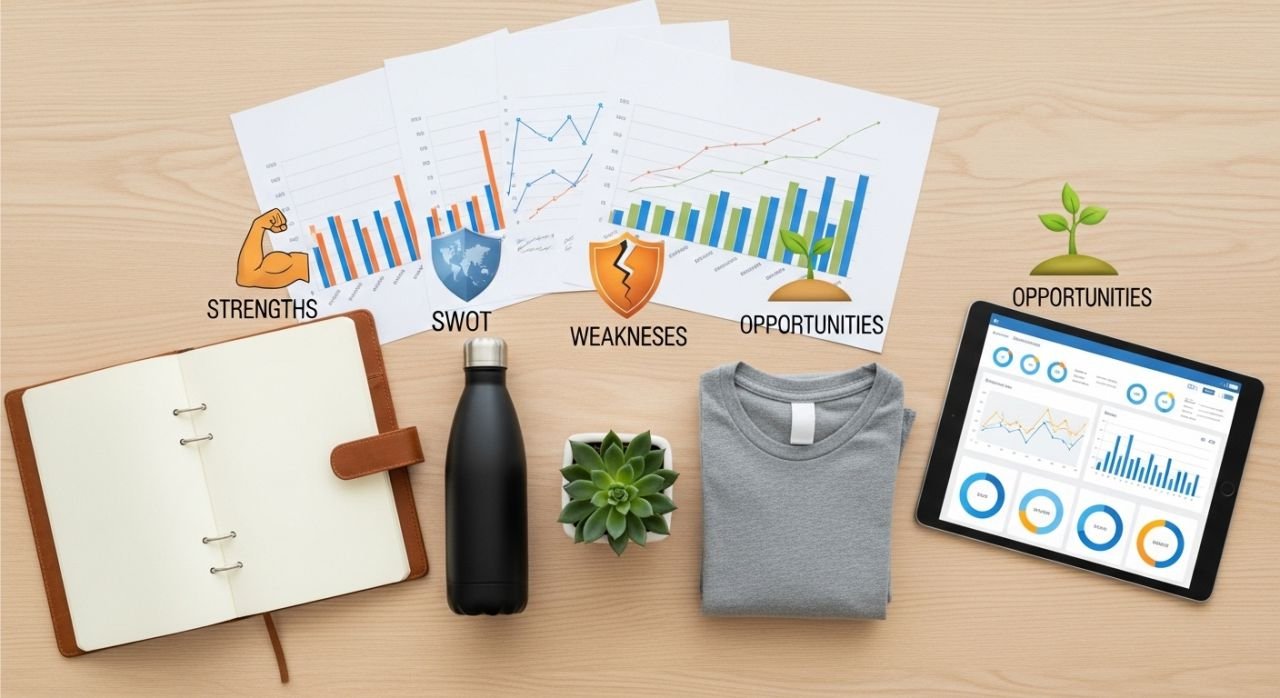
Every great business starts with a strong foundation. Without it, even the best ideas can struggle. Solid foundations help your business grow faster, smarter, and more efficiently. They make it easier to plan, make decisions, and compete with bigger companies.
Before you try any new strategy, it’s important to know where your business stands today. This step sets the stage for success. By focusing on the basics, you can create a roadmap for sustainable growth.
Assessing Your Current Business Performance
Start by checking your numbers. Look at revenue, profits, and customer trends. Ask questions like: Are sales growing? Which products or services are most popular? Are some areas losing money? Also, examine your internal processes. Are they smooth or causing delays?
This simple review gives you business development tips. You will know what works well and what needs improvement. When you understand your performance, it’s easier to plan next steps.
Identifying Strengths, Weaknesses, and Opportunities
Next, make a list of your business strengths. What do you do better than your competitors? Maybe your customer service is excellent, or your product quality is top-notch.
Then, identify weaknesses. Are there areas where you lose time, money, or customers? Be honest. Finding weaknesses is not about blame—it’s about growth.
Finally, look for opportunities. Can you expand your product line? Reach new customers? Use technology to save time? These are chances to implement competitive business strategies that help you stay ahead in the market.
By combining this assessment with your strengths and opportunities, you create a strong base for future growth. This foundation makes every strategy you try more effective.
Remember, small business growth strategies start with knowing yourself. Without a solid foundation, even the best plans can fail. But with careful evaluation, smart planning, and focus on what works, your business can grow steadily and compete confidently.
Set Clear, Measurable Goals for Growth

To grow a business successfully, you need clear and measurable goals. Without them, it’s easy to lose focus and waste time. Setting goals helps you track progress, stay motivated, and make smart decisions. In fact, one of the most effective ways to scale is by using SMART goals—Specific, Measurable, Achievable, Relevant, and Time-bound. These goals give your business a clear roadmap to follow.
SMART goals are a cornerstone of business success strategies. They show you exactly what to do, how to do it, and when to do it. They also make it easier to identify problems before they become bigger issues. By setting well-defined goals, you can focus on increasing small-business revenue and expanding your market.
Short-term vs. Long-term Growth Objectives
It’s important to have both short-term and long-term goals. Short-term goals help you stay on track day by day. For example, improving customer service this month or increasing website traffic by 10% next quarter. Long-term goals focus on bigger achievements, such as entering a new market or doubling annual revenue over the next three years.
Balancing both types of goals ensures your business grows steadily. Short-term goals give quick wins. Long-term goals give vision. Together, they guide your decisions and keep your growth on track.
Aligning Goals with Revenue and Market Expansion Plans
Next, make sure your goals match your revenue targets and market plans. Ask yourself: Will this goal help me sell more? Will it help me reach more customers? Aligning goals with real business outcomes ensures every effort contributes to growth.
For example, if your goal is to launch a new product, plan how it will generate revenue and attract customers. If your goal is to expand online, set specific numbers for sales, leads, or engagement. This approach turns your goals into actionable steps that drive results.
When you set clear, measurable goals, your business gains direction and purpose. These goals become a roadmap to implement small business growth strategies effectively. With the right targets, you can scale faster, make smarter decisions, and increase revenue while dominating your market in 2026.
Leverage Marketing Strategies for Maximum Impact
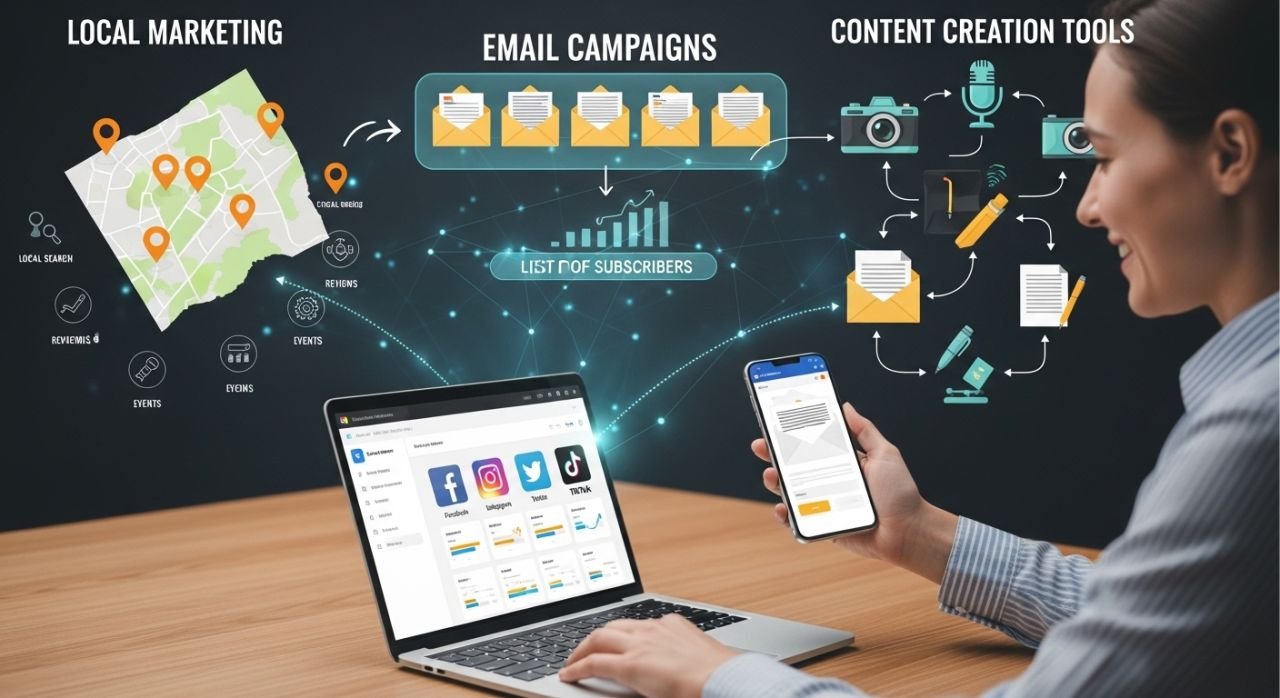
Marketing is one of the most powerful drivers of small business growth. Without it, even the best products or services can go unnoticed. The right marketing helps you reach more customers, build trust, and increase revenue. In 2026, using effective small business growth strategies means leveraging marketing to its full potential.
Marketing is not just about selling. It’s about creating connections. When done smartly, it helps you dominate your market and stay ahead of competitors. The key is to combine traditional and digital marketing tactics, so every effort brings real results.
Digital Marketing Tactics for Small Businesses
Digital marketing is a game-changer for small businesses. Platforms like social media, search engines, and email make it possible to reach thousands of potential customers quickly and affordably.
- Social media: Use Facebook, Instagram, Pinterest, or LinkedIn to connect with your audience. Share updates, tips, and promotions to engage them.
- SEO (Search Engine Optimization): Optimize your website so it appears in search results. More visibility means more potential customers.
- Email marketing: Send personalized messages and offers. This keeps your customers coming back and boosts loyalty.
These are proven marketing strategies for small businesses that can increase visibility and drive sales.
Local Marketing to Dominate Your Immediate Market
While online strategies are important, don’t ignore your local community. Local marketing helps you reach nearby customers who can become loyal fans.
- List your business on Google My Business to appear in local searches.
- Partner with nearby stores or events to increase visibility.
- Offer promotions or workshops in your community.
By focusing on your immediate market, you create strong brand recognition and make it easier to compete with larger businesses.
Content Marketing Strategies to Build Authority and Trust
Content marketing is another essential tool. Sharing valuable content builds trust and authority with your audience.
- Create blog posts that solve common problems for your customers.
- Share videos or guides that educate your audience about your products.
- Post consistently to keep your brand visible and relevant.
Content marketing is also a form of growth hacking for startups. With smart content, even small businesses can attract a large audience without huge budgets.
By combining digital marketing, local strategies, and content marketing, you create a complete marketing system that supports all your small business growth strategies. These efforts not only increase sales but also build long-term trust and authority, which helps your business thrive in 2026.
Remember, marketing is not optional—it’s essential for growth. When done correctly, it helps you reach the right customers, dominate your market, and make your business stronger, smarter, and more profitable.
Optimize Operations for Efficiency and Scalability

One of the most important steps in growing a business is making operations efficient. Without smooth processes, even the best strategies can fail. By improving how your business works, you save time, reduce costs, and create a foundation for scalable growth. In 2026, smart small business growth strategies include focusing on operations as a key driver.
Efficiency is not just about working faster—it’s about working smarter. When your business processes run smoothly, you can serve more customers, reduce errors, and spend more time on growth. Let’s look at the best ways to optimize operations.
Automating Repetitive Tasks
Repetitive tasks take up time and energy. By automating them, you free your team to focus on more important work.
- Use tools to automate invoicing and billing.
- Schedule social media posts instead of doing them manually.
- Set up email reminders and follow-ups for customers.
Automation is one of the easiest business scaling methods. It reduces mistakes and helps your business grow without adding extra staff.
Streamlining Inventory, Supply Chain, and Customer Service
Next, make sure your inventory, supply chain, and customer service are organized.
- Track your products carefully to avoid shortages or overstock.
- Work closely with suppliers to ensure timely deliveries.
- Use simple systems to handle customer questions and complaints quickly.
By streamlining these areas, you improve efficiency and create a better experience for customers. This also makes your business more adaptable as it expands.
Cost-Cutting Strategies Without Sacrificing Quality
Saving money is important, but it should not hurt your product or service quality.
- Review expenses and cut unnecessary costs.
- Negotiate better deals with suppliers.
- Use technology to reduce manual work and errors.
Smart cost-cutting is part of business expansion techniques. It helps your business stay profitable while scaling.
Optimizing operations is a key part of small business growth strategies. By automating tasks, streamlining systems, and controlling costs, you build a business that runs smoothly and can grow faster. Efficiency makes your team more productive, your customers happier, and your revenue higher.
Remember, growth is not just about marketing or sales. Operational efficiency is the backbone of a scalable business. Use these techniques to scale your business smartly in 2026, compete with bigger companies, and dominate your market.
Innovate Products or Services to Stay Ahead

Innovation is one of the most powerful small business growth strategies. Without it, even successful businesses can fall behind. To dominate your market in 2026, you must keep improving your products or services. Innovation helps you stay competitive, attract more customers, and build a business that lasts.
Innovation isn’t just about creating something new. It’s about finding better ways to solve problems and give value to your customers. When your offerings stand out, people trust you more, buy more, and recommend your business to others.
Identifying Gaps in the Market
The first step in innovation is spotting gaps in the market. Ask yourself: What do customers need that no one is providing? What problems are not solved by current products or services?
By finding these gaps, you can introduce unique solutions that make your business stand out. Even small adjustments or improvements can become a competitive advantage. This is a key part of strategies for business growth that work in real life.
Iterating Based on Customer Feedback
Customer feedback is a goldmine for innovation. Listen carefully to what your customers like and dislike.
- Collect reviews, surveys, and suggestions.
- Test new ideas in small batches before launching fully.
- Make small improvements continuously.
This approach ensures your products or services match customer needs and keep your business relevant. Iteration is a proven small business development tip that helps you grow steadily without taking unnecessary risks.
Expanding Product/Service Lines Strategically
Another way to innovate is to expand your offerings carefully. Introduce new products or services that complement your existing ones. Don’t just add random items—make sure they solve real problems for your target customers.
Strategic expansion can attract more buyers, increase revenue, and strengthen your market position. Always evaluate the cost, potential demand, and alignment with your brand before launching anything new.
Innovation is not optional—it’s essential for growth. By identifying market gaps, listening to feedback, and expanding wisely, you create a business that adapts, thrives, and stays ahead of competitors. These small business growth strategies ensure you don’t just survive—you dominate your market in 2026.
Remember, even small changes or new ideas can make a big difference. Keep experimenting, learning, and improving. When you focus on innovation, your customers will notice, your sales will grow, and your business will have long-term success.
Build Strong Customer Relationships for Sustainable Growth

One of the most effective small business growth strategies is building strong customer relationships. Happy and loyal customers are the engine of business growth. When customers feel valued, they buy more, return often, and tell others about your business. In 2026, focusing on retention and loyalty is just as important as attracting new customers.
Customer relationships are not just about sales—they are about trust. When you listen, care, and deliver consistently, your business becomes reliable and memorable. This is key to long-term growth and success.
Personalized Customer Experiences
Customers love to feel special. Personalized experiences make them feel seen and appreciated.
- Use their name in emails and messages.
- Recommend products based on their previous purchases.
- Offer special deals for their preferences or interests.
Small touches like these improve satisfaction and encourage repeat business. Personalization is a simple but powerful small business success tip.
Loyalty Programs and Repeat Purchase Strategies
Loyalty programs are another great way to boost growth. They reward customers for buying more and coming back.
- Offer points, discounts, or free items for repeat purchases.
- Encourage referrals by giving rewards for bringing in new customers.
- Create special VIP experiences for long-term buyers.
These strategies strengthen loyalty and drive revenue growth strategies over time. Repeat customers are cheaper to serve and spend more than new ones.
Using Customer Feedback to Improve Offerings
Listening to customers is one of the smartest growth moves. Their feedback shows what works and what needs improvement.
- Collect reviews and suggestions through surveys or online forms.
- Track complaints and fix recurring issues quickly.
- Adapt products or services based on what your customers want.
When you act on feedback, customers feel heard. They trust your business more and continue to buy from you. This simple step can make a big difference in growth.
Strong customer relationships are a cornerstone of small business growth strategies. By offering personalized experiences, implementing loyalty programs, and using feedback to improve, your business can retain customers, increase revenue, and dominate your market in 2026.
Remember, loyal customers are more than buyers—they are your advocates. Focusing on them ensures your business grows steadily and sustainably. Implement these small business success tips today, and watch your business thrive for years to come.
Harness Technology and Growth Tools

Technology is a powerful driver of small business growth strategies. Using the right tools can help your business scale faster, save time, and make smarter decisions. In 2026, leveraging technology is no longer optional—it’s essential for staying competitive and dominating your market.
Technology allows small businesses to work more efficiently. It can automate tasks, track results, and provide insights that help you grow. When used wisely, it becomes a key part of business scaling methods and growth hacking for startups.
CRM Systems and Automation Tools
Customer relationship management (CRM) systems and automation tools are game-changers.
- CRM systems help you track customers, manage interactions, and personalize experiences.
- Automation tools can handle repetitive tasks like sending emails, scheduling social media posts, or generating invoices.
- These tools reduce errors and free your team to focus on growth-focused activities.
By automating routine work, you can serve more customers, respond faster, and keep your business running smoothly.
Analytics for Data-Driven Growth Decisions
Data is one of the most valuable resources for small businesses. Analytics tools help you understand customer behavior, track sales, and measure marketing effectiveness.
- Monitor website traffic and social media engagement.
- Track which products or services sell best.
- Identify trends and patterns to make smarter business decisions.
Data-driven insights allow you to adjust strategies quickly, optimize operations, and make choices that directly impact growth.
Tools for Marketing, Finance, and Operations
Besides CRM and analytics, other tools can improve every part of your business.
- Marketing tools help create ads, schedule posts, and manage campaigns.
- Finance tools track expenses, revenue, and cash flow efficiently.
- Operations tools manage inventory, supply chains, and project timelines.
Using these tools together creates a complete system for growth. Your business can operate smoothly, scale efficiently, and respond quickly to opportunities.
Harnessing technology is a key small business growth strategy. By using CRM systems, automation, analytics, and specialized tools for marketing, finance, and operations, you can work smarter, serve customers better, and grow faster.
Remember, even small businesses can compete with larger companies by leveraging technology wisely. These tools not only improve efficiency but also enable growth hacking for startups and smart business scaling methods. Implement them today, and your business can thrive, dominate your market, and achieve long-term success in 2026.
Monitor, Measure, and Adjust Strategies Continuously

One of the most important small business growth strategies is monitoring and measuring your progress. Growth doesn’t happen by chance. Even the best plans need checking to see if they are working. By tracking results and adjusting strategies, you can stay on course, avoid mistakes, and dominate your market in 2026.
Monitoring your business helps you understand what works and what doesn’t. It allows you to make smart decisions, save time, and spend money where it matters most. Continuous improvement is at the heart of business success strategies, especially for startups looking to scale quickly.
Key Metrics to Track
To grow effectively, you need to measure the right things. Some key metrics include:
- Revenue: Are sales increasing month by month?
- Conversion rates: How many visitors or leads turn into paying customers?
- Customer retention: Are customers coming back, or are they leaving?
Tracking these metrics gives you a clear picture of your business’s health. It shows where you’re succeeding and where improvements are needed.
Testing New Strategies and Pivoting When Necessary
Even with strong plans, not everything will work perfectly. That’s why testing new strategies is crucial. Try small experiments before fully committing.
- Test new marketing ideas, promotions, or product features.
- Monitor the results carefully to see what works best.
- Pivot quickly if something isn’t effective instead of wasting time and money.
This approach ensures your business stays flexible and adaptable, which is a hallmark of effective small business growth strategies for startups.
Monitoring, measuring, and adjusting are essential steps in small business growth strategies. By tracking key metrics and testing new approaches, you can make data-driven decisions that increase revenue, retain customers, and optimize your operations.
Remember, growth is a continuous journey. Businesses that monitor results and adapt strategies consistently are the ones that succeed and dominate their markets. Implement these steps today, and your business can stay agile, competitive, and on track for long-term success in 2026.
Take Charge of Your Small Business Growth in 2026
Now you know the key small business growth strategies that can transform your business. We covered everything—from building a strong foundation and setting clear goals, to marketing smartly, improving operations, and innovating your products or services. You also learned how customer relationships, technology, and constant monitoring play a huge role in sustainable growth.
By putting these proven growth strategies into action, you can dominate your market and stay ahead of bigger competitors. The best part? Even small businesses with tight budgets can apply these actionable techniques to see real results. Growth doesn’t have to be complicated. It just needs focus, planning, and smart moves.
So, what’s next? Start by creating your personal growth plan today. Pick a few strategies that fit your business. Set simple, achievable goals. Track your progress. Then adjust as you go. Small steps consistently taken lead to big results over time.
We’d love to hear from you, too! Share your own growth strategies, successes, or challenges in the comments below. Your story might inspire another small business owner to take action.
Remember, small business growth strategies aren’t just ideas—they are practical steps you can use to increase revenue, reach more customers, and build a business that lasts. Implement these actionable techniques, stay consistent, and watch your business thrive.
The time to act is now. Use these strategies, dominate your market, and make 2026 your most successful year yet.