Eighty-three percent of marketers say they’ve adopted at least one AI tool in the past year. But here’s the uncomfortable truth: most of them aren’t sure it’s working.
AI in digital marketing in 2026 is no longer a future-tense conversation—it’s happening in your ad accounts, your email sequences, and your customer data right now. The promise is enormous: smarter targeting, faster content, hyper-personalized journeys. The reality? Some of it lives up to the hype. A lot of it doesn’t.
This article cuts through the noise. We’ll look at which AI marketing tools are generating real results, where marketers are wasting budget on shiny objects, and the practical strategies that are actually moving the needle heading into the back half of 2026.
- The State of AI in Digital Marketing in 2026
- AI Marketing Tools That Are Actually Working
- AI Content Creation: Real Capabilities vs. Overpromised Results
- Customer Journey Personalization — The Biggest Opportunity in 2026
- Marketing Automation Trends You Can’t Ignore
- What’s Overhyped — AI Marketing Trends That Haven’t Delivered
- How to Build a Future-Proof AI Marketing Strategy
- Frequently Asked Questions
- What are the best AI marketing tools in 2026?
- Is AI replacing digital marketers?
- How is AI changing SEO in 2026?
- What’s the ROI of AI in digital marketing?
- How do small businesses compete with AI marketing tools?
- What are the risks of relying too heavily on AI marketing automation?
- How does the future of digital marketing change content strategy?
- The Bottom Line on AI in Digital Marketing 2026
The State of AI in Digital Marketing in 2026
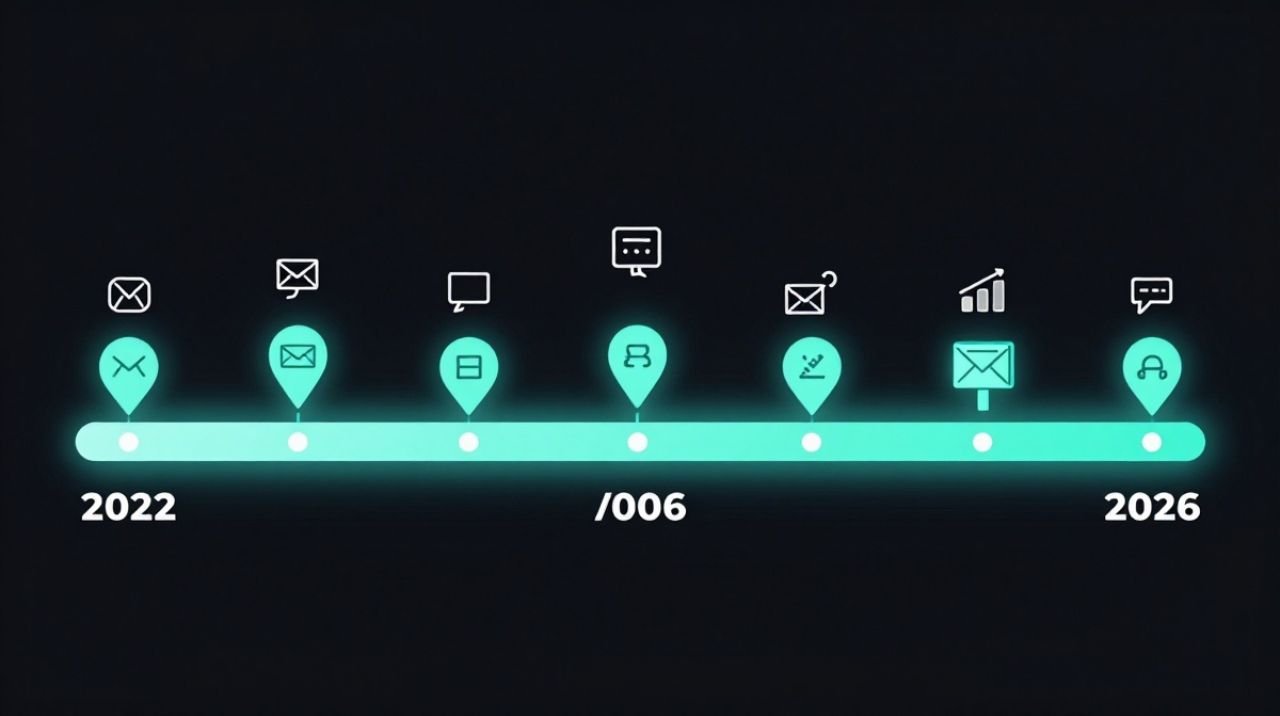
If you opened any marketing conference program in 2023, you’d see “AI” plastered across every session title. Three years later, the novelty has faded — but the transformation hasn’t. AI in digital marketing 2026 looks fundamentally different from the early wave of generative tools that flooded the market. We’ve moved from experimentation to implementation and from broad enthusiasm to hard questions about what actually delivers returns.
How Quickly Things Have Shifted
The shift has been dramatic. In 2022, most marketers were using AI peripherally—a grammar checker here, a subject line suggestion there. By 2024, platforms like Google Ads and Meta had quietly embedded AI into the core of their bidding and targeting infrastructure, making it nearly impossible to run a campaign without interacting with AI in some form.
By mid-2026, the landscape will have matured. Large language models are no longer a novelty — they’re embedded into CRM platforms, analytics dashboards, email service providers, and social scheduling tools. According to industry research from early 2026, over 70% of mid-to-large marketing teams now use AI tools as part of their core workflow, not just as experimental additions.
The platforms themselves have evolved. Google’s Performance Max, Meta’s Advantage+ suite, and programmatic DSPs are running on AI infrastructure so deeply that “turning off AI” in your campaigns isn’t really a viable option anymore. The question has shifted from “Should we use AI?” How do we use it better than our competitors?
The Gap Between Adoption and ROI
Here’s where it gets honest. High adoption rates don’t equal high returns. Many marketing teams are using AI tools because they feel they have to — not because they’ve built a clear system around them. Tools get layered on top of broken processes. AI-generated content gets published without editorial standards. Automated campaigns run without meaningful human oversight.
The marketers seeing the strongest returns from AI right now are the ones who approached it strategically: identifying specific, measurable problems first, then selecting tools to address them. They treat AI as an amplifier of good processes—not a substitute for having processes in the first place.
AI Marketing Tools That Are Actually Working
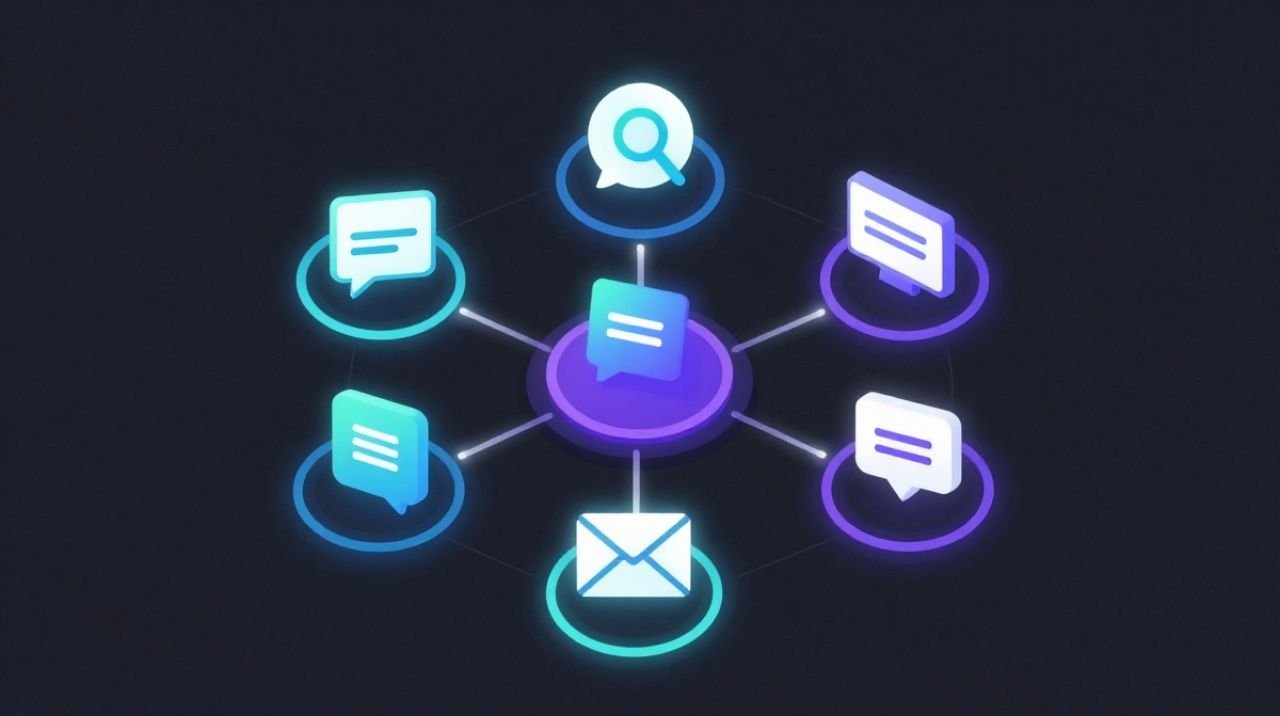
Not all AI marketing tools are created equal. Here’s where real-world practitioners are seeing legitimate gains in 2026.
AI-Powered Ad Targeting and Bidding
Paid media is where AI has arguably delivered the most consistent, measurable value. Google’s Smart Bidding and Meta’s Advantage+ campaigns use machine learning to optimize bids and audience targeting in real time—adjusting based on signals like device, time of day, browsing behavior, and conversion likelihood that no human campaign manager could track manually.
In practice, advertisers who feed these systems clean conversion data and meaningful audience signals are seeing efficiency gains that compound over time. The AI isn’t guessing — it’s learning. The catch is that it learns from your data quality. Garbage in, garbage out remains as true as ever.
What’s working in 2026:
- Broad match + Smart Bidding combinations in Google Ads for high-volume campaigns with clear conversion signals
- Meta Advantage+ Shopping Campaigns for e-commerce brands with strong product catalog data
- Programmatic display with contextual AI targeting as third-party cookie alternatives mature
- AI-powered creative testing that identifies top-performing ad variations faster than manual A/B tests
Conversational AI and Chatbots in Customer Acquisition
The chatbot of 2019 — rigid, rule-based, frustrating — has been replaced by something far more capable. Conversational AI tools built on large language models can now handle nuanced prospect questions, qualify leads, book meetings, and hand off to human reps at the right moment in the buyer journey.
For B2B marketers especially, AI-powered chat on high-intent landing pages is generating a measurable pipeline. The key is deploying these tools where buyer intent is already high — not as generic website popups, but as contextually aware assistants on product pages, pricing pages, and demo request flows.
In e-commerce, AI chat is reducing support load while recovering abandoned carts through proactive, personalized outreach. Platforms like Intercom, Drift (now Salesloft), and purpose-built tools are doing this at a scale that was simply impossible with manual teams.
Predictive Analytics and Lead Scoring
One of the most practically impactful marketing automation trends of 2026 is the maturation of predictive lead scoring. Instead of assigning scores based on arbitrary activity weights (opened an email = 5 points, visited the pricing page = 20 points), AI models now analyze patterns across thousands of won and lost deals to predict which leads are genuinely likely to convert.
Sales teams using AI-powered lead scoring from platforms like HubSpot, Salesforce Einstein, or 6sense are reporting meaningful improvements in conversion rates — not because the leads changed, but because sales reps are prioritizing the right ones.
AI Content Creation: Real Capabilities vs. Overpromised Results
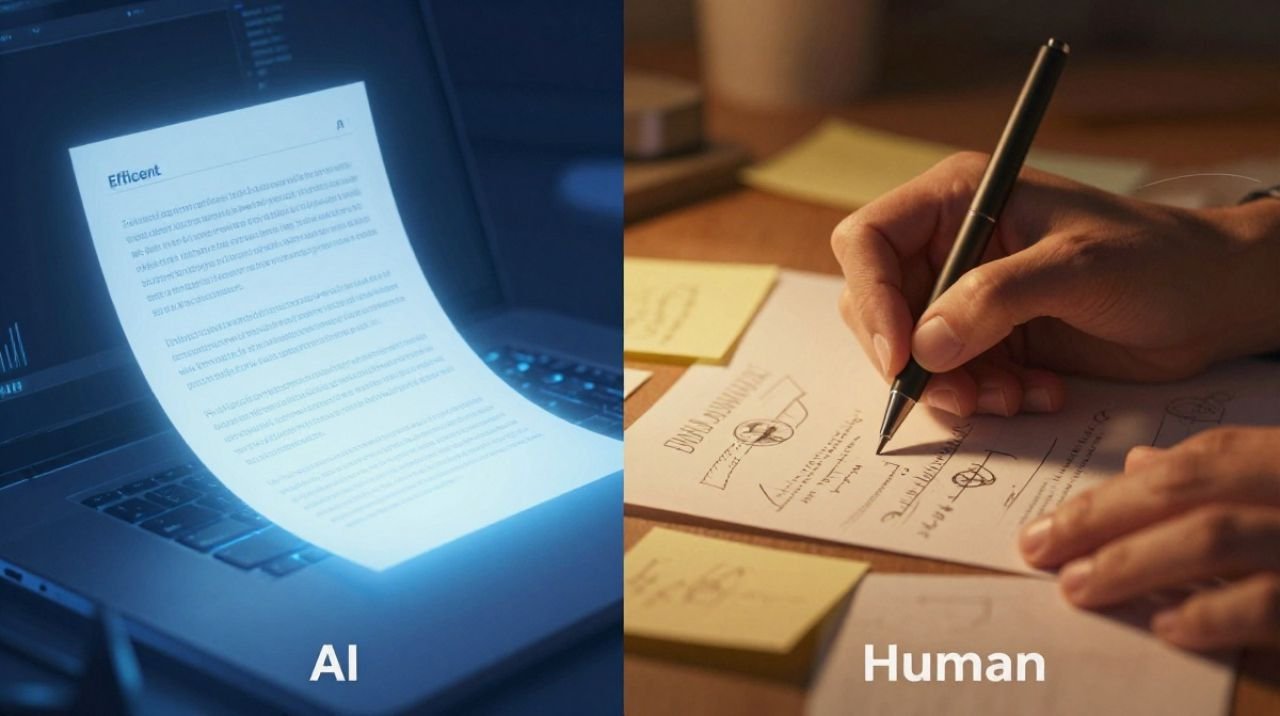
The content marketing world has had a complicated relationship with AI since GPT-4 arrived. Let’s separate what’s genuinely useful from what’s being sold with more enthusiasm than evidence.
Where AI Content Genuinely Saves Time
AI has earned its place in the content production workflow — but for specific tasks, not wholesale content generation. In practice, the highest-value use cases are the following:
- First-draft acceleration: Writers using AI to generate structured outlines or rough first drafts report cutting initial production time by 30–50%, with the caveat that heavy editing is still required.
- Content repurposing: Converting a long-form blog post into social captions, email snippets, and video scripts is a task AI handles extremely well with the right prompting.
- Product description generation: For e-commerce brands with hundreds of SKUs, AI can generate consistent, SEO-structured product descriptions at a scale no human team could match.
- Headline and subject line testing: AI tools can rapidly generate dozens of variations for testing, reducing the creative bottleneck.
Where Human Expertise Is Still Non-Negotiable
AI-generated content has a ceiling. In 2026, that ceiling is becoming more visible, not less, as search engines and readers alike are getting better at identifying content that lacks genuine perspective.
Google’s helpful content updates have continued to reward content with clear E-E-A-T signals — demonstrable experience, specific claims, original insight, and a point of view. AI models trained on existing web content struggle to provide any of these reliably. They can mimic the form of expert writing, but they cannot replace the judgment that comes from actually doing the work.
Categories where human expertise remains essential:
- Thought leadership and opinion pieces—AI can draft, but a human with a real perspective must own the voice
- Investigative or original research content — requires primary data, sourcing, and editorial judgment
- High-stakes content (legal, medical, financial) — accuracy and liability require human review
- Brand storytelling — emotional resonance and cultural nuance are still deeply human capabilities
The future of digital marketing content isn’t choosing between AI and humans. It’s building hybrid workflows where AI handles the repeatable, scalable tasks and human writers focus on the work that requires genuine insight.
Customer Journey Personalization — The Biggest Opportunity in 2026

If you’re looking for where AI is delivering its most transformative long-term value in marketing, personalization is the answer. The ability to send the right message to the right person at the right moment—at scale—is no longer a theoretical possibility. It’s operational.
Behavioral Segmentation at Scale
Traditional segmentation grouped customers by demographics. AI-powered segmentation groups them by behavior, intent, and predicted next action. Platforms are now processing real-time signals — pages visited, content consumed, time on site, cart behavior, support interactions — and dynamically adjusting what each user sees.
For marketers, this means moving from “we have 5 audience segments” to “we have dynamic, self-updating clusters that respond to customer behavior in real time.” The difference in relevance — and conversion rate — is significant.
Dynamic Email and SMS Personalization
Email marketing has always been the highest-ROI channel in digital marketing. AI has made it significantly more powerful by enabling true 1:1 personalization at the content level — not just “Hi [First Name],” but individualized product recommendations, dynamic send-time optimization, and predictive churn campaigns that reach at-risk customers before they disengage.
Tools like Klaviyo, Iterable, and Braze are using predictive models to optimize nearly every variable in the email experience. In practice, brands seeing the best results are those feeding these tools rich behavioral data and allowing the AI enough volume to learn effectively—typically this requires a list of at least 10,000 engaged subscribers before predictive features become meaningfully accurate.
AI-Driven Website Personalization
Website personalization — dynamically changing content, offers, and CTAs based on who’s visiting — was once the exclusive domain of enterprise brands with large engineering teams. AI has democratized it.
Tools now allow marketers to set up rule-based and AI-driven personalization layers on landing pages and product pages without developer support. A first-time visitor from a LinkedIn ad sees a different value proposition than a returning customer who last purchased 90 days ago. The conversion lift from well-implemented website personalization consistently ranges from 10–30% in documented case studies.
Marketing Automation Trends You Can’t Ignore
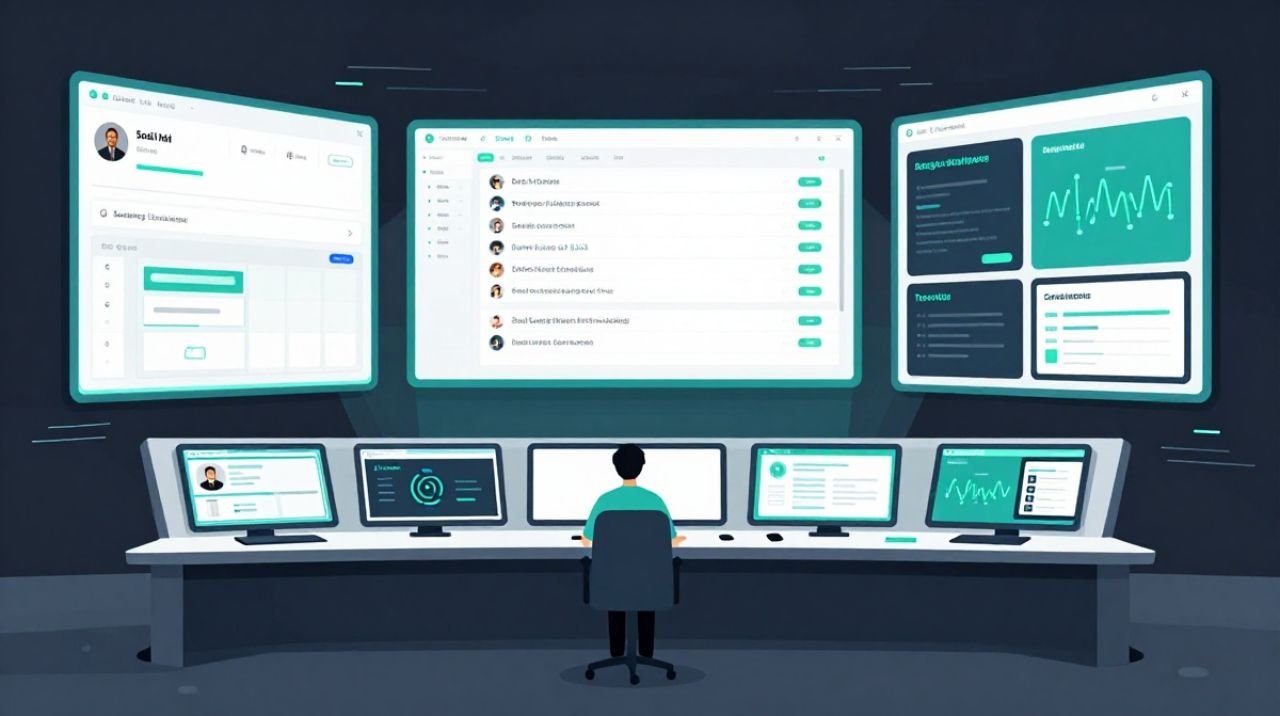
Beyond content and ads, several broader marketing automation trends are reshaping how teams operate in 2026.
Autonomous Campaign Management
The concept of “agentic AI”—AI systems that don’t just complete tasks but plan, execute, and optimize sequences of actions—is moving from research labs into marketing tools. Early versions of autonomous campaign management allow AI agents to monitor campaign performance, identify underperformance, test new creatives, adjust budget allocation, and report on results with minimal human input.
This isn’t fully mature yet, and it requires careful guardrails. But the trajectory is clear: routine campaign management tasks are being progressively handed to AI systems, freeing human marketers to focus on strategy, creative direction, and brand decisions that require judgment.
AI in Social Media Scheduling and Listening
Social media management platforms have embedded AI into scheduling (optimizing post timing based on historical engagement), content ideation (suggesting topics and formats based on trending signals), and social listening (parsing large volumes of mentions, reviews, and community conversations for brand sentiment and opportunity).
The listening applications are particularly valuable. AI tools can now surface emerging conversations, identify micro-influencers in specific niches, and flag reputation risks faster than any manual monitoring process.
Voice and Multimodal Search Optimization
The rise of AI-powered search assistants—and the integration of AI into traditional search results—is changing what “optimizing for search” means. Voice search and multimodal queries (combining image, text, and voice) require content structured for conversational answers, not just keyword matching.
For marketers, this means structured data markup, conversational FAQ content, featured snippet optimization, and content designed to answer specific questions clearly and concisely—not content padded for word count.
What’s Overhyped — AI Marketing Trends That Haven’t Delivered
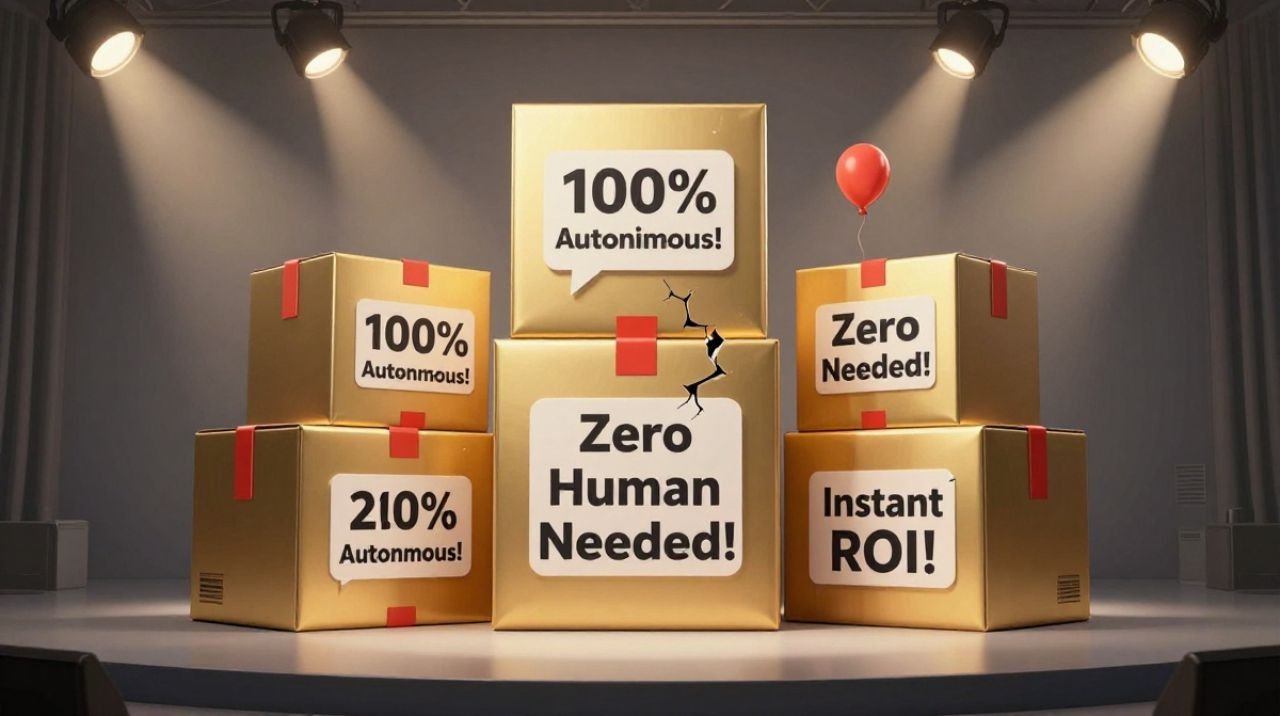
In the spirit of honest analysis, here are the AI marketing promises that haven’t materialized in the way vendors suggested:
1. AI-generated video at production quality — The tools have improved dramatically, but AI video generation still requires significant human creative direction and editing to reach broadcast-quality standards. It’s a useful starting point, not an end product.
2. Fully autonomous social media accounts — Several brands experimented with AI-managed social presence in 2024 and 2025. Most quietly walked it back after tone-deaf posts, inconsistent brand voice, and audience disengagement. Human oversight of social media remains essential.
3. AI replacing SEO entirely—Tools that promised to “automate SEO” have produced mixed results at best. Sites that relied purely on AI-generated content for SEO gains have been vulnerable to helpful content updates. Technical SEO, link acquisition, and genuine content depth still require human strategy.
4. Sentiment analysis as a reliable decision-making tool — AI sentiment analysis has improved but remains unreliable for nuanced brand perception work. Sarcasm, cultural context, and mixed sentiment are still challenging for models, and acting on inaccurate sentiment data has led some brands to make poor strategic decisions.
5. AI-powered influencer matching at scale — Several platforms promised that AI could perfectly match brands with influencers for guaranteed performance. In practice, authentic fit, audience trust, and creative chemistry still matter enormously—and those are factors AI tools evaluate poorly.
How to Build a Future-Proof AI Marketing Strategy
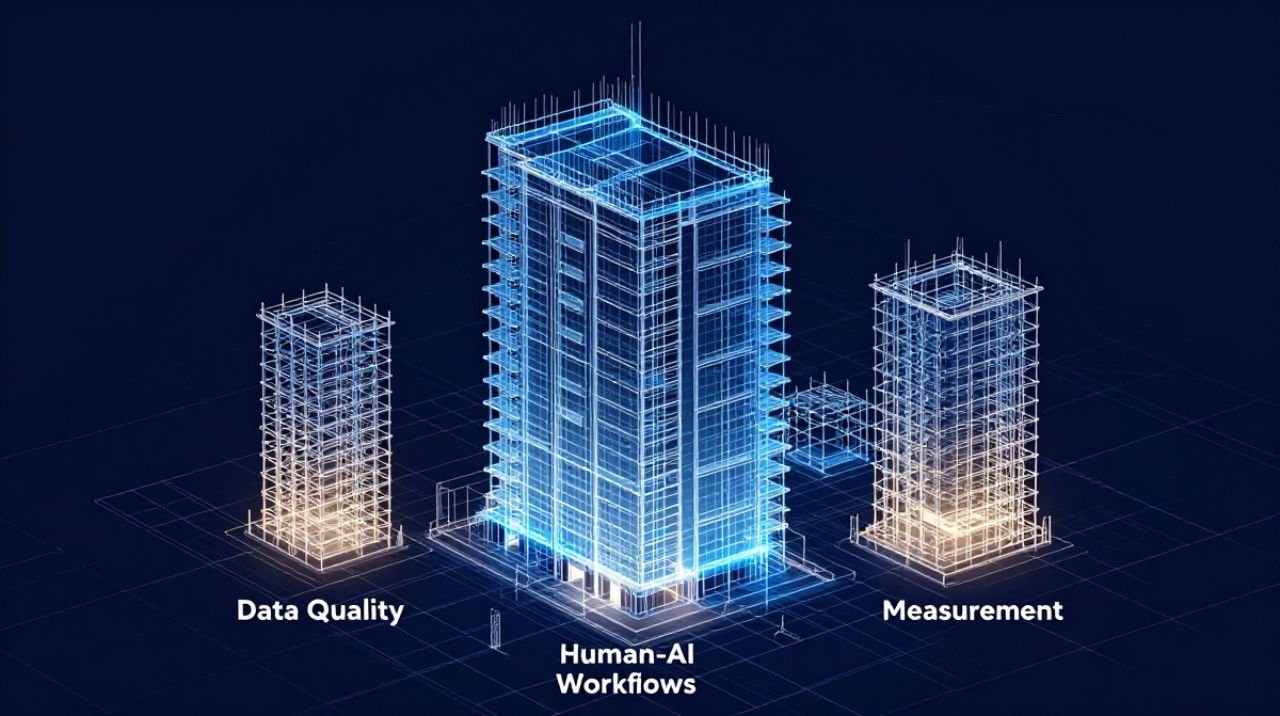
If you want to use AI in digital marketing in 2026 effectively—not just keep up—here’s the strategic framework that separates teams generating real returns from those spinning their wheels.
Start With Data Quality, Not Tools
Every AI marketing system is only as good as the data it runs on. Before evaluating new tools, audit your data infrastructure: Is your CRM data clean and consistently updated? Are your conversion events firing accurately in your ad platforms? Do you have a unified view of your customer journey?
Teams that invest in data quality before layering AI tools on top of it see dramatically better results. This isn’t exciting work, but it’s foundational.
Build Human-AI Workflows, Not Replacements
The most effective marketing teams in 2026 aren’t the ones using the most AI tools — they’re the ones who’ve built clear workflows defining where AI operates, what it hands off to humans, and how quality is maintained across the process.
For content, AI drafts, human editors refine and add original insight, and subject matter experts review where needed. For paid media, AI manages bidding and delivery, and humans manage strategy, creative direction, and audience development. For personalization: AI segments and triggers, humans design the experience and set guardrails.
Think of AI as a capable, tireless team member that needs clear direction, defined scope, and human oversight.
Measure What Matters
AI tools generate a lot of activity. Make sure you’re measuring outcomes, not activity. Don’t evaluate your AI content tool by how many blog posts it produces — evaluate it by organic traffic growth, engagement, and lead quality. Don’t evaluate your AI ad optimization by how many bid adjustments it makes—evaluate it by cost per acquisition trend over time.
Set baselines before you deploy, define success metrics clearly, and give AI tools enough time to learn (usually 4–6 weeks minimum) before concluding.
Frequently Asked Questions
What are the best AI marketing tools in 2026?
The strongest performers in 2026 span several categories. For paid advertising: Google’s Performance Max and Meta Advantage+ remain benchmarks. For content, Jasper, Copy.ai, and Claude (Anthropic) lead for drafting and ideation. For CRM and personalization: HubSpot AI, Salesforce Einstein, and Klaviyo stand out. For analytics and lead scoring: 6sense, Demandbase, and Clearbit offer enterprise-grade predictive intelligence. The best tool depends entirely on your use case and existing tech stack.
Is AI replacing digital marketers?
No, but it is reshaping the role. Routine, repeatable tasks (report generation, basic content drafting, bid adjustments, and A/B test variations) are being automated. Strategic work — brand positioning, creative direction, audience insight, relationship management — still requires human judgment. Marketers who learn to work with AI tools are becoming significantly more productive; those who ignore them are at a growing competitive disadvantage.
How is AI changing SEO in 2026?
AI is affecting SEO from two directions: on the creation side, AI writing tools have flooded the web with mediocre content, making genuinely expert, original content more valuable. On the search side, AI-powered search features (Google’s AI Overviews, Bing Copilot) are changing how results are displayed and consumed. SEO success in 2026 requires structured data, conversational content depth, and strong E-E-A-T signals more than ever before.
What’s the ROI of AI in digital marketing?
ROI varies significantly by application. Paid media AI optimization typically delivers 15–40% efficiency improvements in cost per acquisition for well-structured campaigns. AI personalization in email has been shown to lift revenue per send by 10–25% in documented cases. Content production cost savings are real but harder to attribute to revenue directly. The clearest ROI comes from AI applications that have direct conversion-path ties, where attribution is clean.
How do small businesses compete with AI marketing tools?
The good news: AI has democratized access to capabilities once reserved for enterprise teams. Small businesses can now run sophisticated ad optimization, automated email personalization, and AI-assisted content workflows with tools that are either free or low-cost.
The competitive advantage for small businesses is speed and authenticity — they can implement new tools quickly and produce content with a genuine human personality that larger, more cautious organizations struggle to match.
What are the risks of relying too heavily on AI marketing automation?
Over-automation risks include brand voice inconsistency, reduced creative differentiation (as competitors use the same AI tools), compliance gaps in regulated industries, and the erosion of genuine customer relationships.
AI also amplifies bad strategy—if your targeting is misaligned or your offer is weak, AI will execute that mistake more efficiently. Human oversight, editorial standards, and strategic direction aren’t optional—they’re what separate good AI implementation from expensive mistakes.
Read Also: The 10 Best Marketing Automation Tools & Platforms
How does the future of digital marketing change content strategy?
The future of digital marketing content is being shaped by two forces pulling in opposite directions: AI is making mediocre content cheaper to produce, while search engines and audiences are simultaneously raising the bar for what earns attention and trust. The winning content strategy invests in original research, genuine expertise, and distinctive voice—using AI to handle production efficiency while humans own the insight and perspective.
The Bottom Line on AI in Digital Marketing 2026
AI in digital marketing 2026 is neither the silver bullet it was sold as nor the overhyped distraction its skeptics claimed. It’s a powerful set of tools that rewards strategic implementation and punishes lazy adoption.
The marketers generating real results are using AI to amplify good strategy—cleaner data, sharper creative, and better measurement—not to replace it. They’re building hybrid workflows where AI handles scale and repetition, and humans own insight, creativity, and brand judgment.
The competitive edge in 2026 isn’t access to AI tools. Almost everyone has access. The edge is knowing how to deploy them, where to trust them, and when to override them. That’s a skill that takes time to build — but it’s the most valuable one a marketer can develop right now.
Ready to put this into practice? Start with one area—your paid media optimization, your email personalization, or your content workflow—audit your data quality, set clear success metrics, and run a focused 6-week test. Then measure outcomes, not activity. That’s how you build an AI marketing strategy that actually works.