

Losing a customer hurts more than most businesses realize. It costs far more to replace a customer than to keep one. Every time a customer leaves, you lose trust, time, and future revenue. On the other hand, keeping existing customers is smarter, cheaper, and more powerful. That is why customer retention strategies matter more today than ever before.
Customer retention is not just about keeping people. It is about building relationships. When customers stay with you, they buy again. They talk about your brand. They trust you. Over time, this creates long-term, compounding growth. One happy customer can become many new ones—without incurring extra marketing costs. That is real business strength.
In this guide, you will learn 27 proven customer retention strategies that real businesses use every day. These are not boring ideas or hard theories. Instead, they are practical, simple, and tested strategies you can apply right away. Whether you run a small business, an online store, or a growing brand, these strategies are designed to help you improve customer experience, boost customer engagement, and build strong brand loyalty.
Most importantly, retention brings peace of mind. Loyal customers mean trust, stability, and predictable revenue. You worry less about chasing new buyers all the time. You focus more on serving people who already believe in you. That shift changes everything.
So, if you want to stop losing customers, reduce churn, and grow healthily, you are in the right place. Let’s explore the customer retention strategies that turn one-time buyers into lifelong fans—and help your brand grow stronger every single day.
- What Are Customer Retention Strategies (And Why They Matter More Than Ever)
- The Psychology Behind Brand Loyalty and Repeat Customers
- Customer Experience–Driven Retention Strategies That Build Trust
- High-Impact Customer Retention Strategies That Increase Loyalty
- Data-Driven Retention Strategies to Reduce Churn
- Customer Retention Strategies for Different Business Models
- Common Customer Retention Mistakes That Quietly Kill Loyalty
- How to Build a Scalable Customer Retention Strategy Step by Step
- Frequently Asked Questions (FAQs)
- Final Thoughts: Loyalty Is Built, Not Bought
What Are Customer Retention Strategies (And Why They Matter More Than Ever)
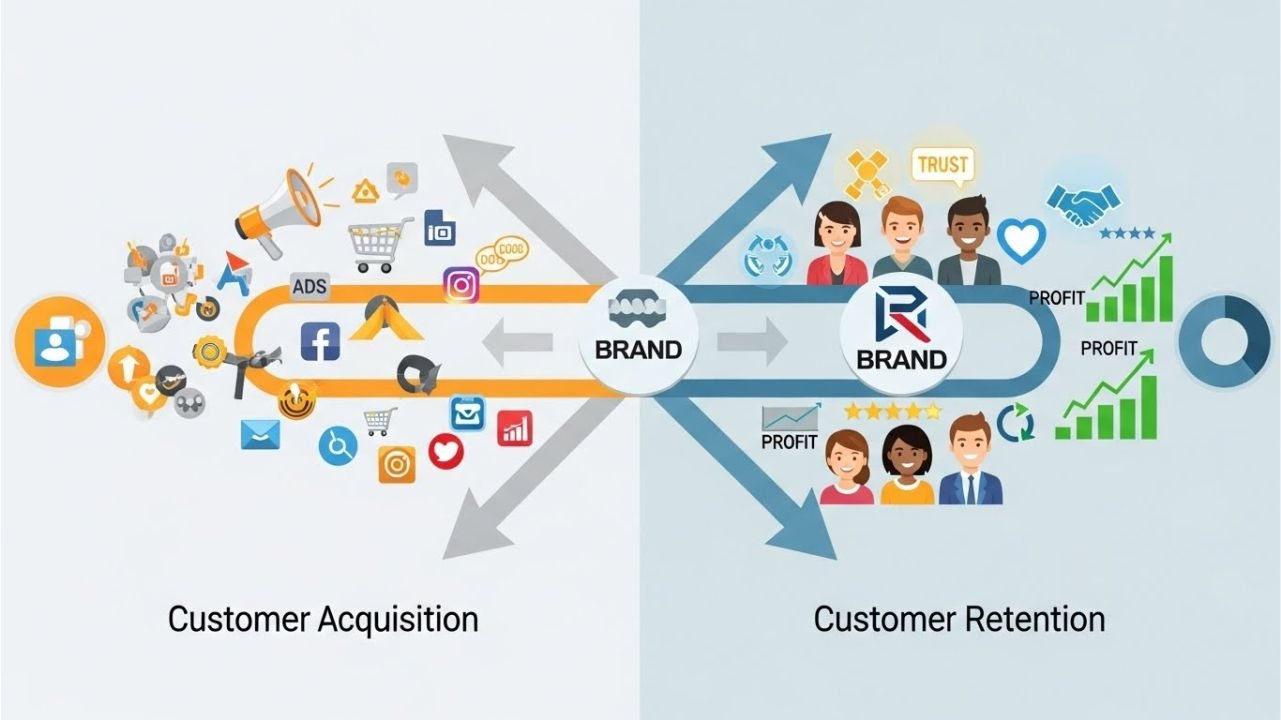
Customer retention strategies are simple plans that help businesses keep customers coming back. In easy words, they are the actions you take to make people happy after they buy from you. This can include good support, kind follow-ups, rewards, and a smooth customer experience. Instead of saying “buy again,” these strategies say “we care about you.” That care builds trust and long-term relationships.
Now, let’s understand the difference. Customer acquisition marketing focuses on finding new customers. It uses ads, promotions, and attention-grabbing offers. This is important, but it costs a lot of money. On the other hand, customer retention marketing focuses on people who already know you. These customers trust you. They need less convincing. And they are more likely to buy again. Because of this, retention is smarter and safer.
Even better, retention helps your business grow vigorously. When customers stay longer, your profits increase. Their lifetime value grows because they buy more over time. They also talk about your brand. This builds real brand loyalty. Loyal customers become fans. Fans bring new customers for free.
Most importantly, improving customer retention creates stability. Your income becomes predictable. Your stress becomes lower. And your brand becomes stronger.
That is why customer retention strategies matter more than ever. In a busy world full of choices, people stay where they feel valued. When you focus on keeping customers happy, growth follows—slowly, steadily, and safely.
The Psychology Behind Brand Loyalty and Repeat Customers
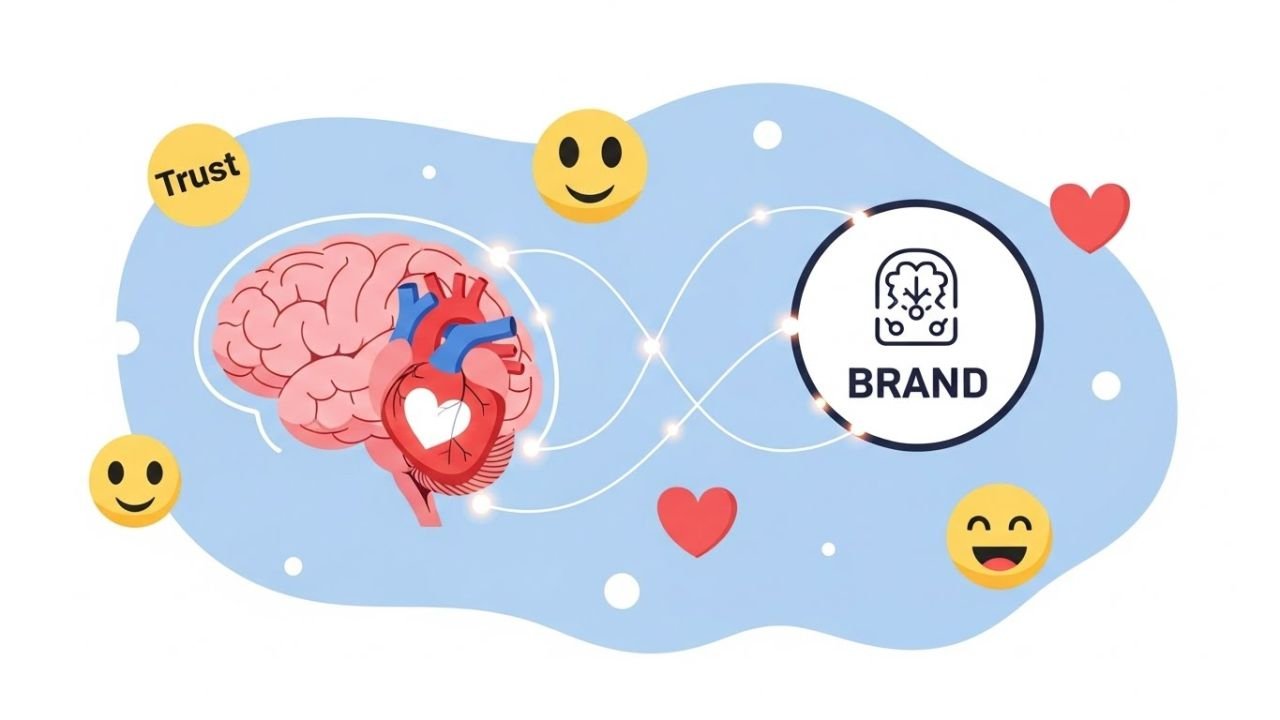
Customer Experience–Driven Retention Strategies That Build Trust
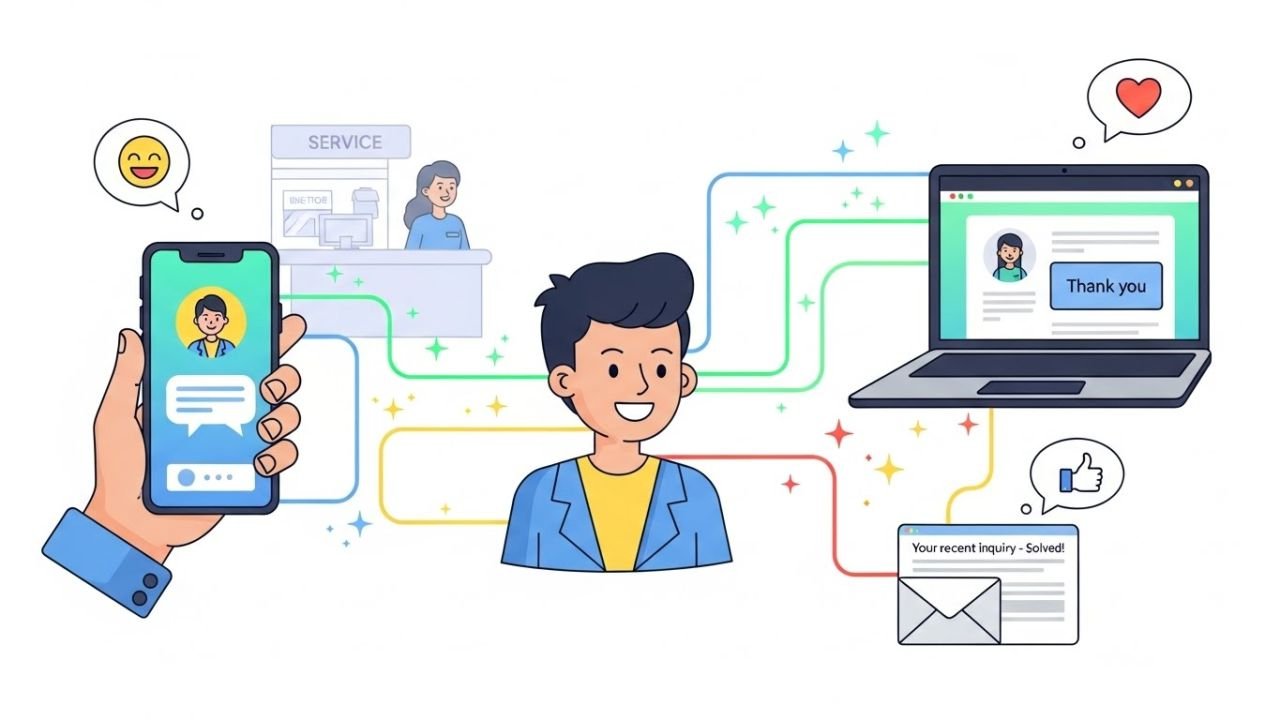
Strong customer retention strategies begin with one simple idea: great experiences build trust. When customers enjoy every step of their journey, they feel safe with your brand. They stay longer. They come back. And over time, loyalty grows naturally. That is why a smart customer experience strategy is the heart of retention.
- Deliver Consistent and Frictionless Experiences
First, everything should feel easy. Customers do not like confusion or delays. When your website, support, and delivery work smoothly, stress goes away. Also, consistency matters. Each visit should feel familiar and reliable. When things work the same way every time, trust grows faster.
- Use Personalization to Make Customers Feel Valued
Next, people love feeling special. Personal messages, helpful suggestions, and kind follow-ups show care. Even small touches make a big difference. When customers feel seen and remembered, they feel important. These simple actions are powerful customer satisfaction strategies that turn buyers into loyal fans.
- Offer Proactive Support, Not Just Fixes
Finally, do not wait for problems. Great brands help before customers ask. A friendly reminder. A quick tip. A check-in message. This proactive support shows you care about the customer’s success. It also prevents frustration before it starts.
Together, these experience-driven actions strengthen relationships. They reduce complaints. They increase trust. Most importantly, they support long-term loyalty. When customers feel valued at every step, they do not just stay—they believe in your brand.
High-Impact Customer Retention Strategies That Increase Loyalty

Not all ideas work the same. Some actions create a much bigger impact. These customer retention strategies focus on real value, not empty promises. When done right, they turn happy buyers into loyal fans. Let’s look at the high-impact strategies that truly increase loyalty.
First, loyalty programs that reward repeat behavior work very well. When customers earn points, rewards, or special perks, they feel appreciated. These customer loyalty programs give people a reason to return. Even small rewards can create strong habits and long-term trust.
Next comes community building and exclusive access. People like to belong. When customers feel part of a group, they stay longer. Private emails, members-only content, or early access to new products make customers feel special. This emotional bond is a powerful driver of loyalty.
Another key strategy is customer education and onboarding. Help customers understand how to use your product or service. Clear guides, short videos, and helpful tips remove confusion. After the purchase, continue to add value. Post-purchase support builds confidence and reduces regret. These steps are smart repeat customer strategies.
Finally, never forget surprise-and-delight moments. A thank-you note. A small gift. A kind message at the right time. These surprises stay in the customer’s memory. They create joy and strong emotional connections.
Together, these high-impact retention strategies build trust, happiness, and loyalty. When customers feel rewarded, included, and supported, they choose your brand again and again.
Data-Driven Retention Strategies to Reduce Churn

Smart customer retention strategies are not based on guessing. They are based on facts. Data helps you see what customers do, how they feel, and when they may leave. When you understand this, you can act early. That is how data-driven retention helps reduce churn and protect loyalty.
- Track Customer Behavior and Engagement Signals
First, watch how customers behave. Do they visit often? Do they open emails? Do they stop using your product? These actions send clear signals. By tracking them, you learn what customers like and what they ignore. This insight supports better customer lifecycle management and helps you improve each stage of the journey.
- Use Feedback Loops and Surveys the Right Way
Next, ask customers how they feel. Short surveys and simple questions work best. Listen closely to their answers. Then take action. When customers see their feedback used, trust grows. Feedback loops help you fix problems fast and support retention rate optimization over time.
- Identify Churn Risks Before Customers Leave
Finally, look for warning signs. Less activity. Fewer logins. Slower replies. These clues show churn risk early. When you step in with help, support, or value, customers feel cared for. Often, they stay.
Together, these data-driven steps make retention stronger. They remove guesswork. They replace fear with clarity. Most importantly, they help you keep customers happy before problems grow. When you use data with care, loyalty stays strong, and churn stays low.
Customer Retention Strategies for Different Business Models
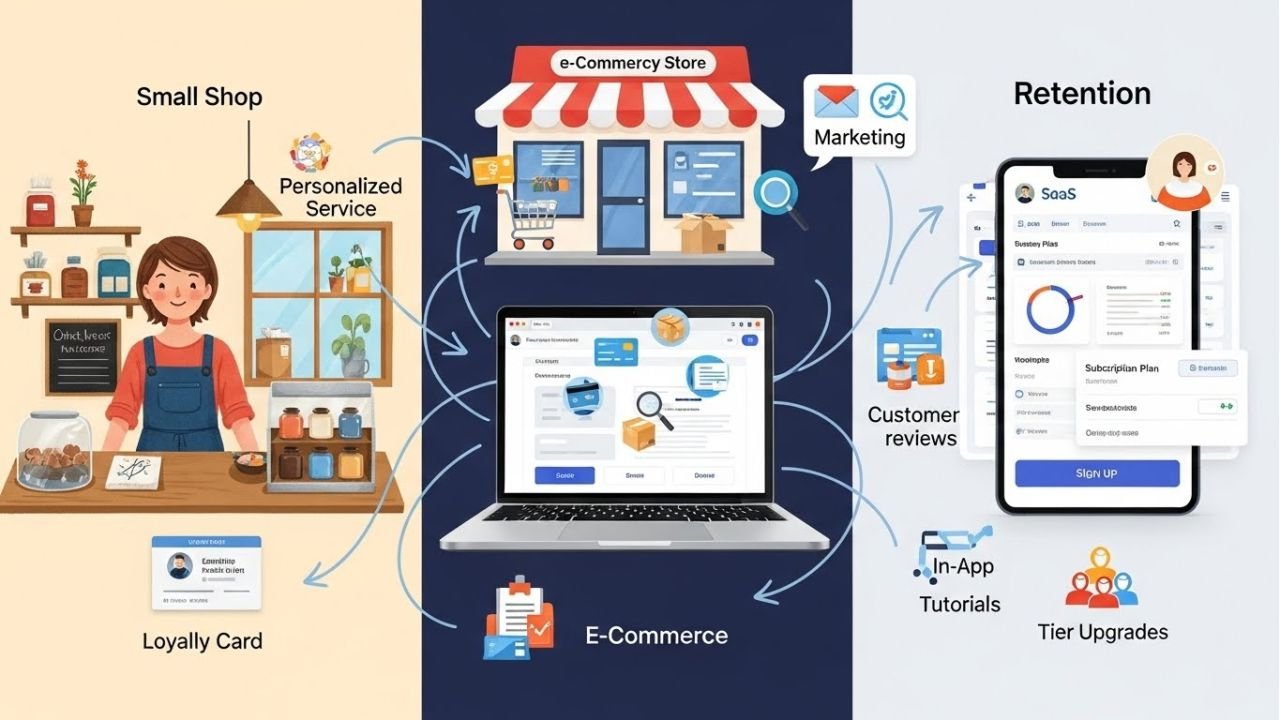
Not every business is the same. That is why customer retention strategies must change based on the business model. What works for one brand may not work for another. When you match retention to your model, loyalty grows faster and lasts longer.
- Customer Retention Strategies for Small Businesses
Small businesses win with care and connection. Personal messages. Friendly service. Remembering names and preferences. These simple actions make customers feel special. Small brands should focus on trust, honesty, and fast support. These are powerful ways to improve customer retention and loyalty without big budgets.
- Customer Retention Strategies for eCommerce Brands
Online stores must remove friction. Fast checkout. Clear returns. Quick delivery. Follow-up emails and helpful product tips also matter. Rewards for repeat purchases work very well. When shopping feels easy and fun, customers come back again and again.
- Customer Retention Strategies for SaaS and Subscription Models
For SaaS, value must be shown every day. Easy onboarding helps users feel confident. Clear guides reduce confusion. Regular updates and friendly support keep users active. Most importantly, help customers succeed with your product. When they see results, they stay.
In every model, one rule stays the same. Retention is about helping customers win. When you serve their needs in the right way, loyalty grows naturally. Choose strategies that fit your business, and your customers will choose you back.
Common Customer Retention Mistakes That Quietly Kill Loyalty
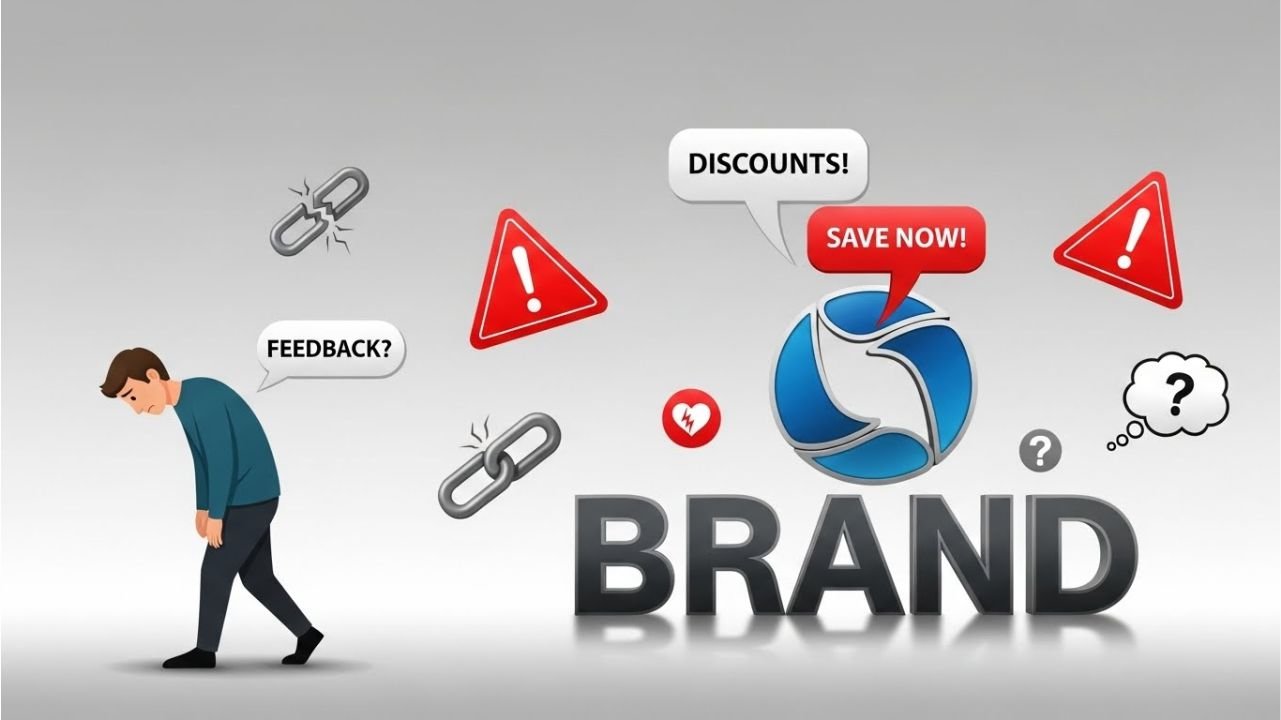
Many businesses try hard to keep customers, yet they still lose them. Why? Because they make small mistakes that quietly damage trust. To build strong customer retention strategies, you must first avoid the traps that hurt brand loyalty without warning.
The first big mistake is over-reliance on discounts. Discounts may bring quick sales, but they do not build love for your brand. Customers start waiting for lower prices. When discounts stop, they leave. Instead of loyalty, you create bad habits. True retention comes from value, not price cuts.
Another common mistake is ignoring existing customers while chasing new ones. Many brands spend all their energy on ads and forget the people who already trust them. This feels unfair to loyal customers. Over time, they feel unseen. Strong customer retention marketing always puts current customers first.
Next comes inconsistent communication and broken promises. Saying one thing and doing another breaks trust fast. Late replies, mixed messages, or missed follow-ups confuse customers. Consistency is key. Clear and honest communication builds safety and long-term relationships.
Here is the hard truth. Negative mistakes create strong emotions. When customers feel ignored or tricked, the pain is more severe than any good moment. This negative contrast makes them remember the bad experience more deeply.
To improve loyalty, focus on improving customer retention the right way. Remove these mistakes first. When trust stays strong, loyalty grows naturally—and customers stay longer.
How to Build a Scalable Customer Retention Strategy Step by Step
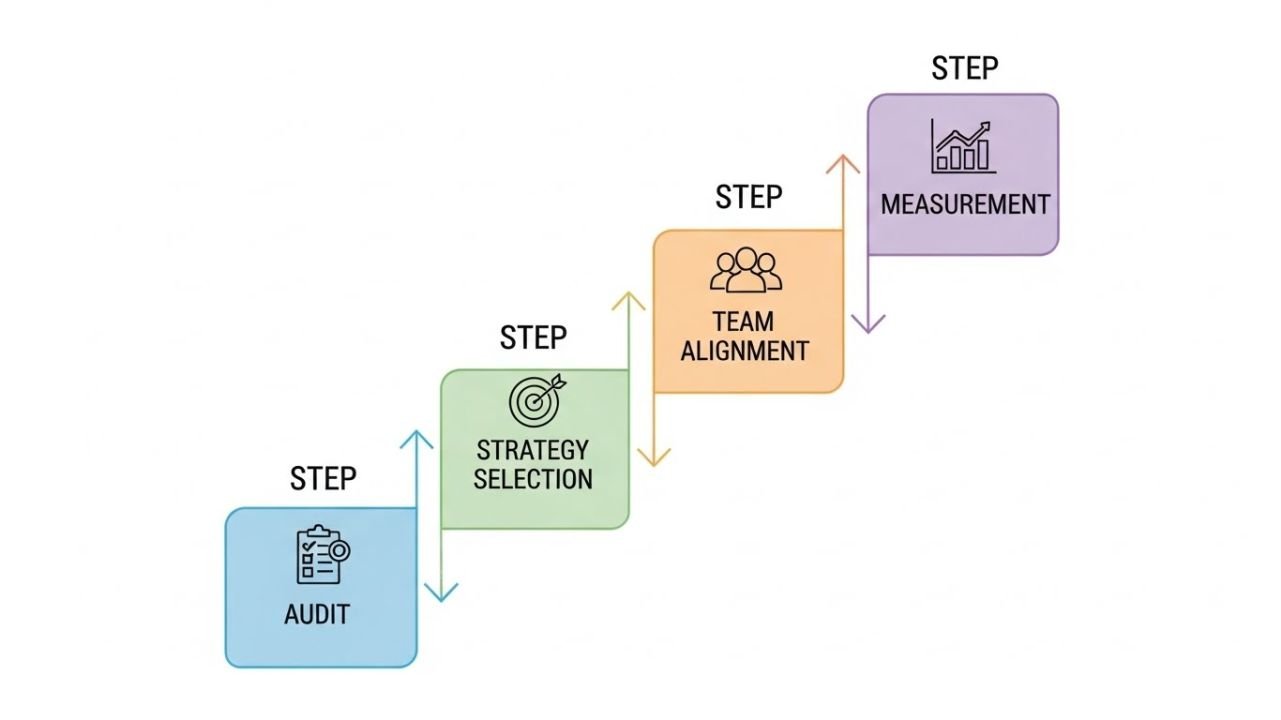
Building strong customer retention strategies doesn’t have to be hard. When you follow clear steps, retention becomes simple and scalable. This step-by-step approach helps your business grow without chaos or confusion.
Audit Your Current Retention Performance
First, assess your current position. Check how often customers return. See where they stop engaging. Find patterns in complaints and praise. This audit shows what works and what does not. Without this step, you are guessing instead of improving.
- Choose the Right Retention Strategies for Your Audience
Next, think about your customers. What do they need? What problems do they face? Pick retention strategies that fit their behavior and goals. A small business may need personal support, while a SaaS brand may need better onboarding. The right strategies beat more strategies.
- Align Teams, Tools, and Messaging
Then, bring everyone together. Your marketing, sales, and support teams must share the same goal. Use the right tools to track customers. Speak with one clear voice. When teams work as one, trust grows faster.
- Measure, Optimize, and Iterate Continuously
Finally, track results. Measure engagement, repeat purchases, and churn. Improve what works. Fix what fails. Retention is not one-time work. It is ongoing care.
When you follow these steps, retention becomes strong and scalable. Small improvements done often create big loyalty over time. And that is how lasting growth is built.
Frequently Asked Questions (FAQs)
1. What are customer retention strategies?
Customer retention strategies are proven methods businesses use to keep existing customers engaged, satisfied, and loyal over time. These strategies focus on improving customer experience, building trust, and increasing repeat purchases instead of constantly chasing new customers.
2. Why are customer retention strategies more important than customer acquisition?
Customer retention strategies are more cost-effective because retaining existing customers costs significantly less than acquiring new ones. Loyal customers also spend more, refer others, and strengthen brand credibility—making retention a long-term growth engine.
3. What are the most effective customer retention strategies for small businesses?
The most effective customer retention strategies for small businesses include personalized communication, excellent customer support, loyalty rewards, consistent value delivery, and community building. Small brands win by being human, responsive, and trustworthy.
4. How do customer retention strategies increase brand loyalty?
Customer retention strategies increase brand loyalty by creating positive, repeated experiences. When customers feel valued, understood, and rewarded, emotional attachment grows—turning one-time buyers into long-term advocates.
5. What is the difference between customer retention and customer loyalty?
Customer retention focuses on keeping customers from leaving, while customer loyalty is about customers choosing your brand even when alternatives exist. Strong customer retention strategies lead to loyalty, but loyalty requires emotional connection and trust.
6. Which customer retention strategies work best for eCommerce businesses?
For eCommerce, high-impact customer retention strategies include personalized product recommendations, fast and reliable shipping, post-purchase follow-ups, loyalty programs, and seamless return experiences that remove buyer friction.
7. How can customer retention strategies help reduce churn?
Customer retention strategies reduce churn by identifying customer pain points early, improving engagement, and delivering ongoing value. Proactive communication, feedback loops, and consistent experiences prevent customers from silently leaving.
8. How long does it take to see results from customer retention strategies?
Some customer retention strategies, like improved support or better onboarding, show results quickly. Others—such as loyalty programs and brand trust—compound over time. Consistency is the key to sustainable retention growth.
9. Are customer retention strategies effective for SaaS and subscription businesses?
Yes, customer retention strategies are critical for SaaS and subscription models. Retention directly impacts monthly recurring revenue (MRR), churn rate, and lifetime value, making it more important than aggressive acquisition alone.
10. How do I start building a customer retention strategy today?
Start by analyzing customer behavior, identifying drop-off points, and improving the customer experience. Choose 2–3 customer retention strategies that align with your audience, implement them consistently, and measure results over time.
Final Thoughts: Loyalty Is Built, Not Bought
In the end, customer retention strategies are not magic tricks or quick hacks. They are about people. They are about listening, caring, and showing up again and again. When you treat customers like partners, not numbers, something powerful happens. Trust grows. Relationships deepen. And your brand becomes hard to replace.
Strong retention creates long-term rewards. Loyal customers stay longer. They spend more. They tell others about you. This builds brand loyalty, boosts customer engagement, and supports sustainable business growth. Over time, your business becomes stable and predictable. You stop chasing new customers every day. Instead, you grow with the ones who already believe in you. That is the real value of smart customer retention marketing.
Now it’s time to act. Do not try to use all 27 strategies at once. Start small. Pick two or three customer retention strategies that fit your business today. Then apply them with care. Watch how your customers respond. Learn what works. Improve as you go.
Next, take a moment to audit your current customer retention approach. Ask simple questions. Where do customers feel happy? Where do they leave? Small fixes in the customer experience can lead to big wins.
Finally, bookmark this guide or share it with your team. Use it as a checklist. Come back whenever you need fresh ideas to improve customer satisfaction and reduce churn.
Remember this: retention is a relationship, not a race. When you focus on loyalty, advocacy follows. And when advocacy grows, your business grows—stronger, healthier, and ready for the future.