
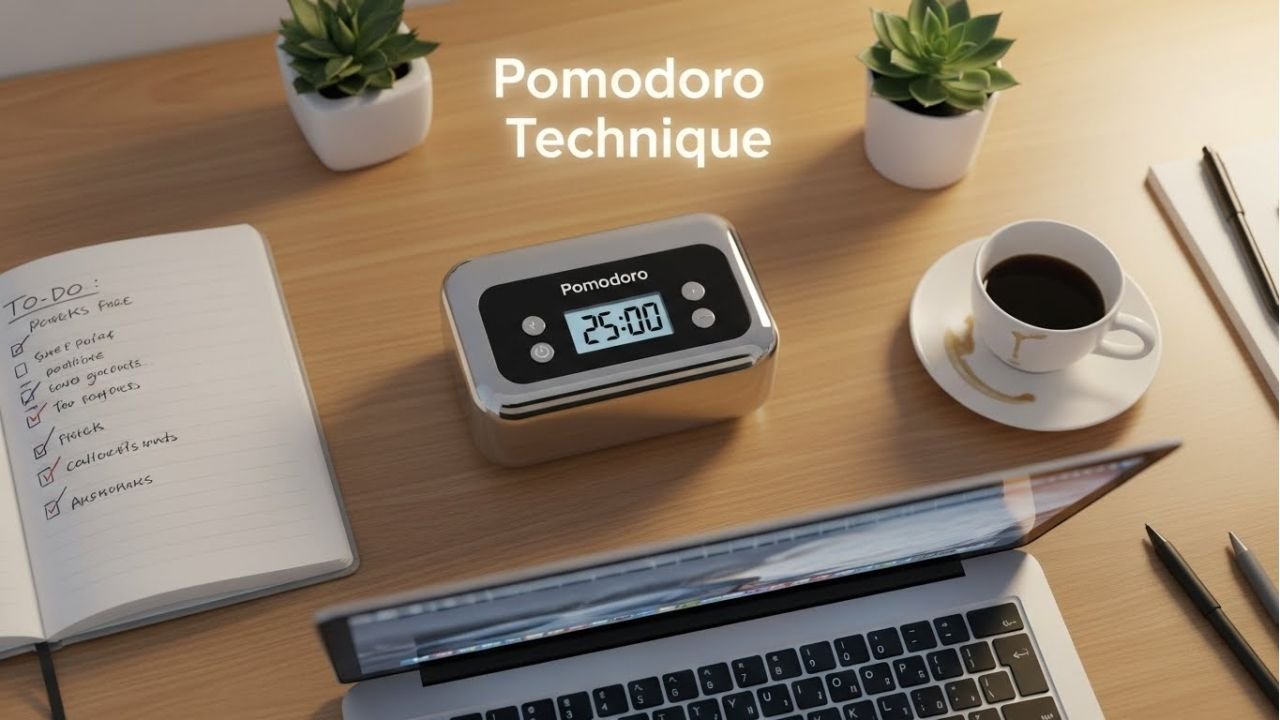
Have you ever stared at a to-do list and felt like you’ve accomplished nothing? It’s not because you’re lazy. To-do lists fail because of how your brain works. Our minds can’t handle endless tasks and constant planning. We often get stuck planning instead of taking action. This is the core problem: planning vs execution.
That’s where the Pomodoro Technique changes everything. It is a simple, time-based productivity method. Instead of forcing your brain to focus for hours, it breaks work into short intervals. You work for 25 minutes. Then, you take a short break. This method fits how our attention naturally works. It keeps you energized. It reduces stress.
Here’s the shocking reason it works better than to-do lists: it lowers mental overload and makes starting easy. Even the tasks you dread become doable. You stop procrastinating. You get real work done.
In this post, you will learn how the Pomodoro focus technique beats traditional to-do lists. You will see why it improves focus, attention, and deep work. And you will discover how it can help anyone—students, professionals, or creators—be more productive without feeling overwhelmed.
If you are tired of endless lists and distractions, this method will change how you work. It’s simple, science-backed, and surprisingly effective.
- Why To-Do Lists Feel Productive—but Secretly Sabotage Focus
- What the Pomodoro Technique Actually Does Differently
- The Shocking Reason the Pomodoro Technique Works Better Than To-Do Lists
- Pomodoro Technique vs To-Do Lists — A Productivity Systems Comparison
- How the Pomodoro Technique Improves Focus and Deep Work
- Why the Pomodoro Technique Is Especially Powerful for Procrastination and ADHD
- How to Use the Pomodoro Technique Effectively (Without Turning It into Another To-Do List)
- Stop Managing Tasks—Start Managing Focus
Why To-Do Lists Feel Productive—but Secretly Sabotage Focus

At first, checking items off a to-do list feels great. You see progress. You feel organized. But here’s the catch: it doesn’t mean you are actually productive. Task management methods like endless lists can trick your brain into thinking you are working, while real progress waits.
The problem lies in cognitive overload. Your brain can only focus on a few tasks at a time. A long list creates stress. It leads to decision fatigue, making even small choices feel exhausting. On top of that, constant task switching breaks your focus. Every time you jump between tasks, your brain resets. This slows down real work and drains energy.
The hidden mental cost of endless task lists is high. They make you busy but not effective. You plan more than you execute. You trade action for the illusion of productivity. That’s why planning more often leads to doing less.
This is where the Pomodoro Technique shines. Instead of overwhelming your brain with long lists, it focuses on short, structured intervals. It reduces mental overload and keeps your attention sharp. Aligning work with how your brain naturally handles focus, it helps you do more with less stress.
Understanding this is part of productivity psychology. True efficiency comes from managing your attention, not just your tasks. So, while to-do lists feel satisfying, they secretly sabotage focus—and that’s the surprising reason many of us struggle to get real work done.
What the Pomodoro Technique Actually Does Differently

The Pomodoro Technique is a simple, science-backed method to get work done. Instead of focusing on endless to-do lists, it uses time-based execution. You work in short, focused intervals—usually 25 minutes—called Pomodoros. Then, you take a 5-minute break. After four Pomodoros, you take a longer break. This structure keeps your brain fresh and your attention sharp.
Unlike traditional task-based planning, the Pomodoro Technique treats time as a constraint, not a pressure. You know you only have 25 minutes to focus. This sense of urgency boosts motivation. It stops procrastination. It also makes large tasks feel manageable because you only need to work on them in small bursts.
Short work sessions improve focus and momentum. By concentrating on one task at a time, your brain avoids task switching and cognitive overload. Breaks are not wasted time—they reset your attention and energy. This approach aligns with productivity psychology, which shows that our brains work best in structured intervals rather than long, unfocused stretches.
The Pomodoro Technique also teaches better attention management. You learn to notice distractions, pause, and return to your task. Over time, this strengthens focus and builds consistent productivity.
In short, the Pomodoro focus technique works differently because it organizes work around your brain, not a list. It turns time into your ally, improves momentum, and helps you complete more work without feeling overwhelmed. It’s simple, practical, and surprisingly effective.
The Shocking Reason the Pomodoro Technique Works Better Than To-Do Lists

The real reason the Pomodoro Technique beats traditional to-do lists is surprising. It doesn’t just reduce distractions—it lowers cognitive load. Your brain stops feeling overwhelmed by long task lists. Instead, it focuses on one clear goal at a time. This is the core insight behind why this method works.
Limiting work to just 25 minutes makes starting much easier. The brain doesn’t resist a huge, vague task. It sees a small, manageable window and says, “I can do this.” This simple trick reduces procrastination. It also keeps energy high and motivation strong.
Psychology shows that our brains respond best to clear start-and-stop signals. When you know exactly when a work session begins and ends, your attention stays sharper. Breaks are not a waste—they reset your mind and prepare you for the next interval. This aligns perfectly with productivity psychology and modern attention management strategies.
Short, structured sessions also improve focus. By working in bursts, you avoid task switching and mental fatigue. Large projects feel less daunting because you only need to tackle them in small, timed steps. Over time, this builds a habit of consistent progress without stress.
In short, the Pomodoro focus technique works better than to-do lists because it works with your brain, not against it. It simplifies tasks, reduces mental strain, and turns procrastination into action. With just 25 minutes at a time, you can achieve more than hours spent on endless lists.
Pomodoro Technique vs To-Do Lists — A Productivity Systems Comparison
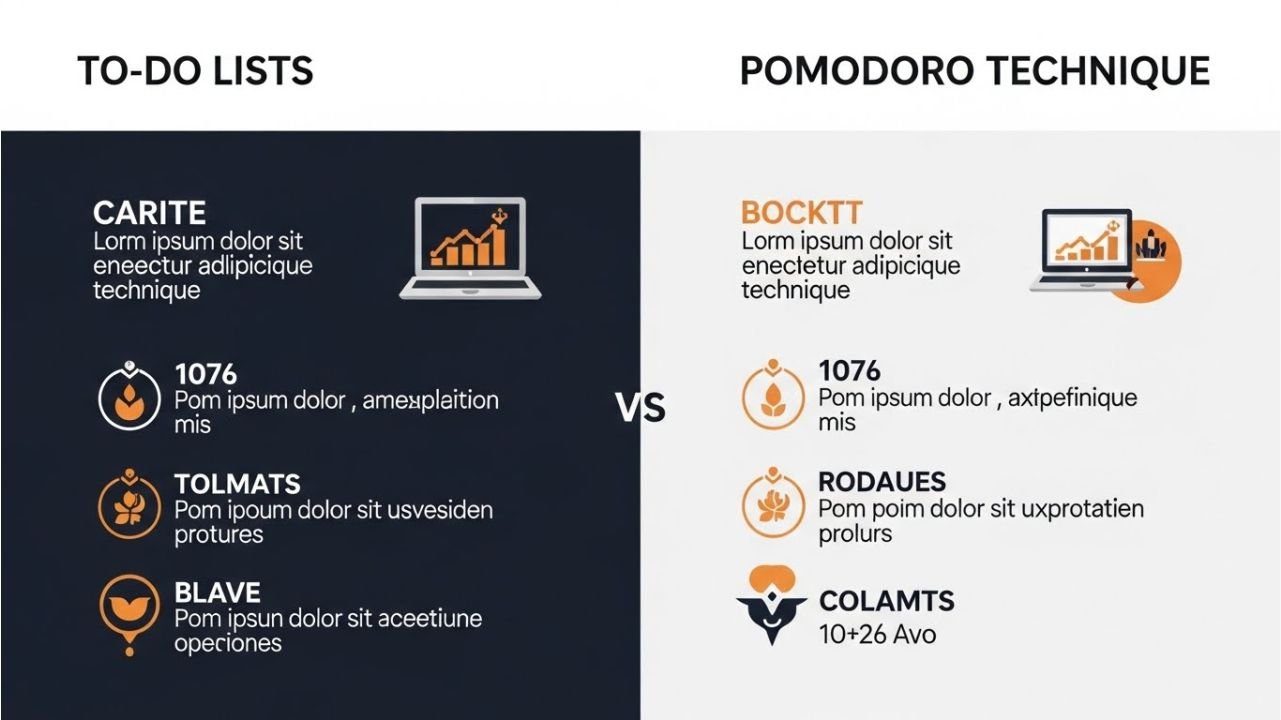
When it comes to getting work done, not all productivity systems are equal. Comparing Pomodoro vs to-do lists shows why some methods feel good but don’t deliver real results. To-do lists focus on planning. You spend time writing tasks, organizing priorities, and checking boxes. This is planning-based productivity. It can motivate you briefly, but it often leads to overwhelm and mental fatigue.
The Pomodoro Technique, on the other hand, is execution-based productivity. It focuses on action, not endless planning. Breaking work into timed intervals, it improves focus, motivation, and task completion. Each session feels achievable. Breaks reset your energy. You stay productive without burning out.
When we compare the two, Pomodoro vs to-do lists is not just about efficiency. It’s about how each system affects your attention, momentum, and deep work. To-do lists encourage task-switching, which splits your focus and slows progress. The Pomodoro Technique protects your concentration and helps you achieve more in less time.
For deep work, the difference is clear. To-do lists can be distracting because they constantly remind you of unfinished tasks. The Pomodoro focus technique keeps your mind fully engaged in one task at a time.
In short, this productivity systems comparison shows why the Pomodoro Technique consistently beats traditional lists. It shifts the focus from planning to doing, reduces mental overload, and creates a system that works with your brain, not against it.
How the Pomodoro Technique Improves Focus and Deep Work

The Pomodoro Technique is more than a time-management tool. It protects your attention with structured intervals. When you work in short, focused bursts, your brain stays fully engaged. You are less likely to get distracted by emails, notifications, or other tasks.
This method is perfect for deep work productivity. Deep work means concentrating on important tasks without interruption. By limiting work to 25-minute sessions, you maintain sustained concentration. Each interval is long enough to make progress, but short enough to prevent mental fatigue.
Breaks are not a weakness—they are a key feature. Strategic breaks reset your focus and energy. When you pause, your brain processes information and prepares for the next session. This prevents burnout and keeps productivity consistent throughout the day.
Short work intervals also improve efficiency. Instead of dragging through hours of unfocused work, your mind works with clarity. You accomplish more in less time. Over time, this trains your brain to focus deeply, making complex tasks easier to handle.
The Pomodoro focus technique shows that stopping actually improves productivity. By alternating work and rest, your brain stays fresh, and your concentration strengthens. You can dive into deep tasks without feeling overwhelmed.
In short, the Pomodoro Technique enhances focus, prevents burnout, and makes deep work possible. Structured intervals and mindful breaks create a system where attention, energy, and productivity align perfectly.
Why the Pomodoro Technique Is Especially Powerful for Procrastination and ADHD

The Pomodoro Technique is not just a time-management tool—it tackles emotional and neurological barriers that often block productivity. For people who struggle with procrastination, starting a task can feel overwhelming. For those with ADHD, sustaining focus is a constant challenge. This method addresses both.
By breaking work into short, manageable intervals, the Pomodoro Technique for procrastination lowers the mental barrier to starting. Instead of facing hours of work, you commit to just 25 minutes. Your brain feels less stressed, and motivation rises naturally.
For those with ADHD, the Pomodoro Technique for ADHD focus provides gentle structure without rigidity. Clear intervals help maintain attention, while built-in breaks prevent mental fatigue. This simple system reduces overwhelm and supports consistent progress.
The beauty of the method lies in its simplicity and flexibility. You don’t need complicated apps or endless rules. You only need a timer and a clear task. This allows you to start easily, focus fully, and reset your energy often.
Over time, these short, structured sessions create a habit of working with your brain, not against it. They encourage progress even on challenging tasks and help you maintain focus without feeling trapped by strict schedules.
In short, the Pomodoro focus technique is a game-changer for anyone battling procrastination or ADHD. It lowers the barrier to starting, builds momentum, and keeps your mind engaged—all while reducing stress and boosting productivity.
How to Use the Pomodoro Technique Effectively (Without Turning It into Another To-Do List)
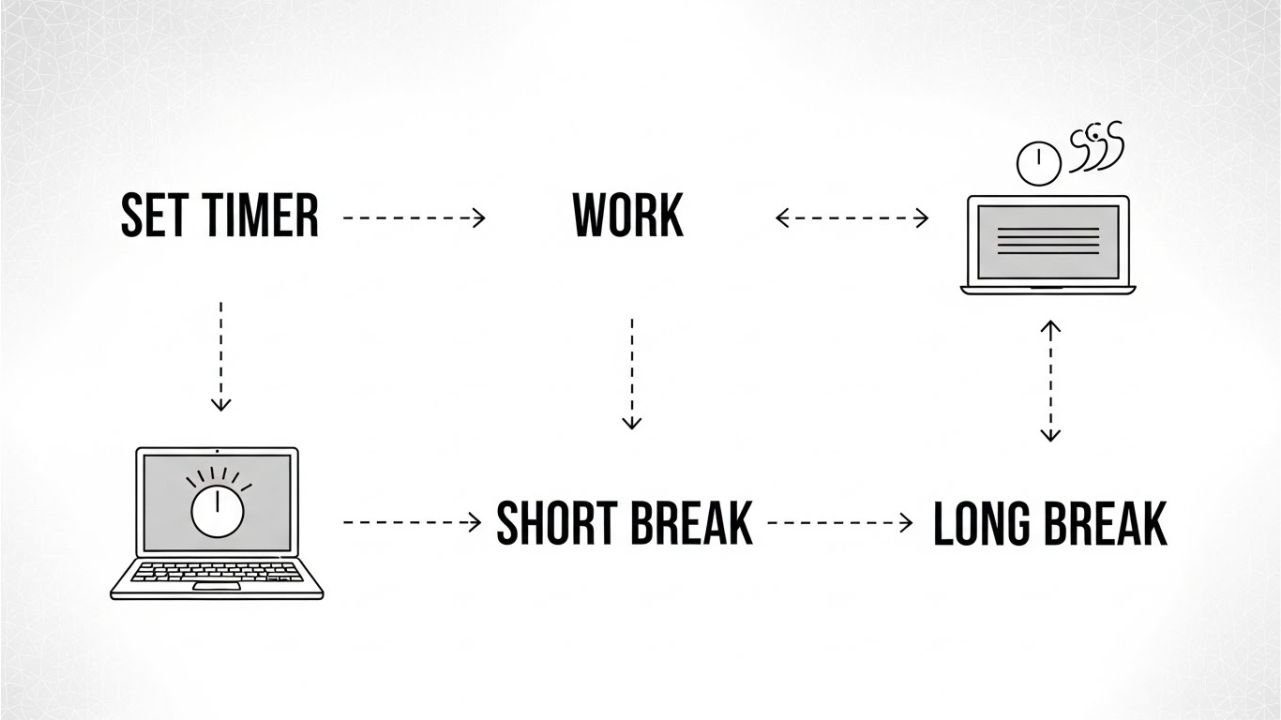
The Pomodoro Technique is simple, but using it effectively takes a little strategy. The goal is to boost focus without creating another overwhelming to-do list. Here’s how to get started.
First, set your timer for 25 minutes of focused work. This is the ideal Pomodoro length for most people. After each session, take a 5-minute break. After four Pomodoros, take a longer break of 15–30 minutes. These short intervals help you maintain energy and concentration, while strategic breaks prevent burnout.
Next, pick one task to focus on during each Pomodoro. Avoid multitasking. By concentrating on a single task, you tap into deep work productivity and reduce mental overload.
Common mistakes to avoid include overplanning, skipping breaks, and trying to do too much in one session. Remember, the goal is action over planning. Keep your setup simple: a timer, a clear task, and a distraction-free space.
For those looking for the best Pomodoro setup for deep work, consider using a quiet environment, limiting notifications, and tracking completed Pomodoros to see progress. Adjust session lengths if needed, but keep breaks consistent.
By following these steps, you’ll learn how to use the Pomodoro Technique effectively. You’ll complete tasks faster, maintain focus, and enjoy a system that works with your brain, not against it. Over time, this method builds a habit of consistent productivity without stress or overwhelm.
Stop Managing Tasks—Start Managing Focus
Productivity is not about checking endless boxes on a to-do list. It is about focus, attention, and doing real work. The Pomodoro Technique works better than traditional lists because it aligns with how your brain naturally works. It breaks tasks into short, manageable intervals. It reduces mental overload. It fights procrastination. And it helps you achieve more without stress.
Now it’s time to rethink what being productive really means. Stop measuring success by how many tasks you plan. Start measuring it by how much meaningful work you actually complete. Try one Pomodoro session today. Work for 25 minutes. Take a short break. Feel the difference.
Instead of creating tomorrow’s endless to-do list, replace it with time-blocked Pomodoros. Focus on one task at a time. Watch your attention and energy improve. Soon, completing work will feel easier, not harder.
If you found this post helpful, share it with friends or colleagues. Encourage them to ditch overwhelming task lists and try the Pomodoro focus technique. Also, subscribe for more science-backed productivity insights and tips on attention management.
Remember, true productivity is about working smart, not just planning more. With the Pomodoro Technique, you don’t just plan—you act. You focus. You finish. And most importantly, you get real results without burning out.



I do not even know how I ended up here but I thought this post was great I do not know who you are but certainly youre going to a famous blogger if you are not already Cheers
Your blog has quickly become one of my favorites. Your writing is both insightful and thought-provoking, and I always come away from your posts feeling inspired. Keep up the phenomenal work!
Hey there You have done a fantastic job I will certainly digg it and personally recommend to my friends Im confident theyll be benefited from this site