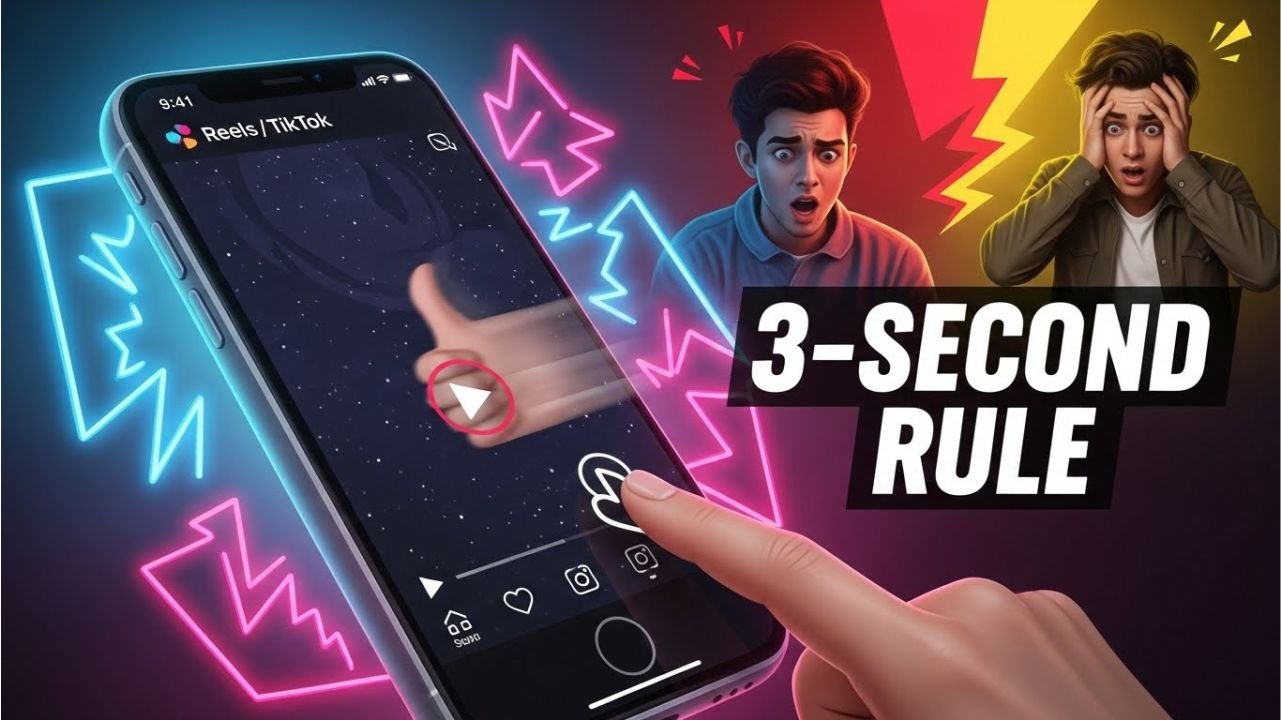
The second your video starts, a viewer makes a fast choice: scroll or stay. There is no warning. No mercy. Just a thumb, ready to swipe away. This is where the 3-second rule comes in—and where most creators quietly lose.
You’ve heard it everywhere. Coaches repeat it. Gurus shout it. Platforms reward it. “You must hook viewers in the first three seconds.” That advice sounds simple, right? Yet somehow, most Reels, Shorts, and TikToks still fail. Not because creators are lazy. Not because they lack talent. But because the 3-second rule is widely used—and deeply misunderstood.
Here’s the truth.
The first 3 seconds of a video are not about being loud. They are not about talking fast. And they are definitely not about copying viral hooks word for word. Still, creators do exactly that. As a result, viewers feel tricked. They feel confused. So they scroll.
And then creators wonder why their watch time drops, their retention is low, and their content never takes off.
In this post, we’re going to break the illusion. We’ll explore the brutal truth about the 3-second rule, the biggest hook mistakes, and the hidden psychology of attention that decides whether people stay or leave. More importantly, you’ll learn the real reason most creators fail, even when they think they’re “doing everything right.”
If you want to stop guessing…
If you want scroll-stopping hooks that feel honest, not fake…
And if you want to understand how successful creators truly use the 3-second rule…
Then you’re in the right place.
Let’s begin.
- What the 3-Second Rule Really Means in Content Creation
- The Brutal Truth — Why the 3-Second Rule Fails Most Creators
- The Biggest Hook Mistakes Killing Your First 3 Seconds
- The Hidden Psychology Behind Scroll-Stopping Hooks
- What Successful Creators Do Differently in the First 3 Seconds
- A Smarter Way to Use the 3-Second Rule (That Actually Works)
- Practical 3-Second Hook Examples for Reels, Shorts & TikTok
- How to Test, Fix, and Improve Your Hooks Over Time
- The Real Win Is Earning Attention, Not Chasing It
What the 3-Second Rule Really Means in Content Creation

Let’s clear the confusion first.
The 3-second rule in content creation means this: the first three seconds decide if a viewer stays or scrolls. That’s it. In short-form videos like Reels, Shorts, and TikTok, people decide very fast. Their thumb is always ready.
However, here’s the mistake.
The 3-second rule is not just about “grabbing attention.” Loud sounds, fast cuts, or big text may stop a scroll for a moment. But if there is no clear value, viewers leave anyway. Attention without meaning does not last.
Instead, the first three seconds should make a clear promise. Inform the viewer of what they can expect. Show the result early. This is how scroll-stopping hooks work. They feel honest. They feel safe. And people stay.
Social media platforms love this behavior.
When viewers don’t scroll away, platforms notice. Early engagement signals like watch time, replays, and pauses tell the algorithm, “This content is good.” As a result, your video gets shown to more people.
Now let’s talk psychology.
The attention span on social media is short, but not weak. The brain looks for clarity, not noise. Confusion causes scrolling. Clarity builds trust.
Also, remember this important truth.
The first 3 seconds invite the viewer.
But total watch time keeps them.
When your hook aligns with your content, retention increases.
That’s what the 3-second rule really means.
The Brutal Truth — Why the 3-Second Rule Fails Most Creators

Here is the hard truth.
Knowing the 3-second rule is not the same as using it correctly. Most creators know they must hook viewers fast. Yet their videos still fail. Why? Because knowledge without skill does nothing.
First, let’s talk about hook misconceptions. Many creators think a hook must be loud, fast, or shocking. So they shout. They rush. They promise too much. But this creates a big problem. The hook gets attention, but it has no meaning.
This leads to the “loud but empty” hook problem.
The viewer stops for a second. Then they feel confused. Or worse, they feel tricked. As a result, they scroll away. Attention without value kills retention.
Next comes copying.
Creators often copy viral hooks word for word. They hope the same words will bring the same success. Sadly, this almost always backfires. Why? Because the hook does not match their content or their audience. The brain notices the mismatch fast.
And then curiosity turns dangerous.
When a hook creates too much mystery, it creates distrust. The viewer thinks, “This feels fake.” Once trust breaks, watch time drops. Engagement dies.
So yes, the 3-second rule fails most creators.
Not because the rule is bad.
But it is used without honesty, clarity, or purpose.
Fix the hook.
Fix the promise.
And the rule starts working again.
The Biggest Hook Mistakes Killing Your First 3 Seconds
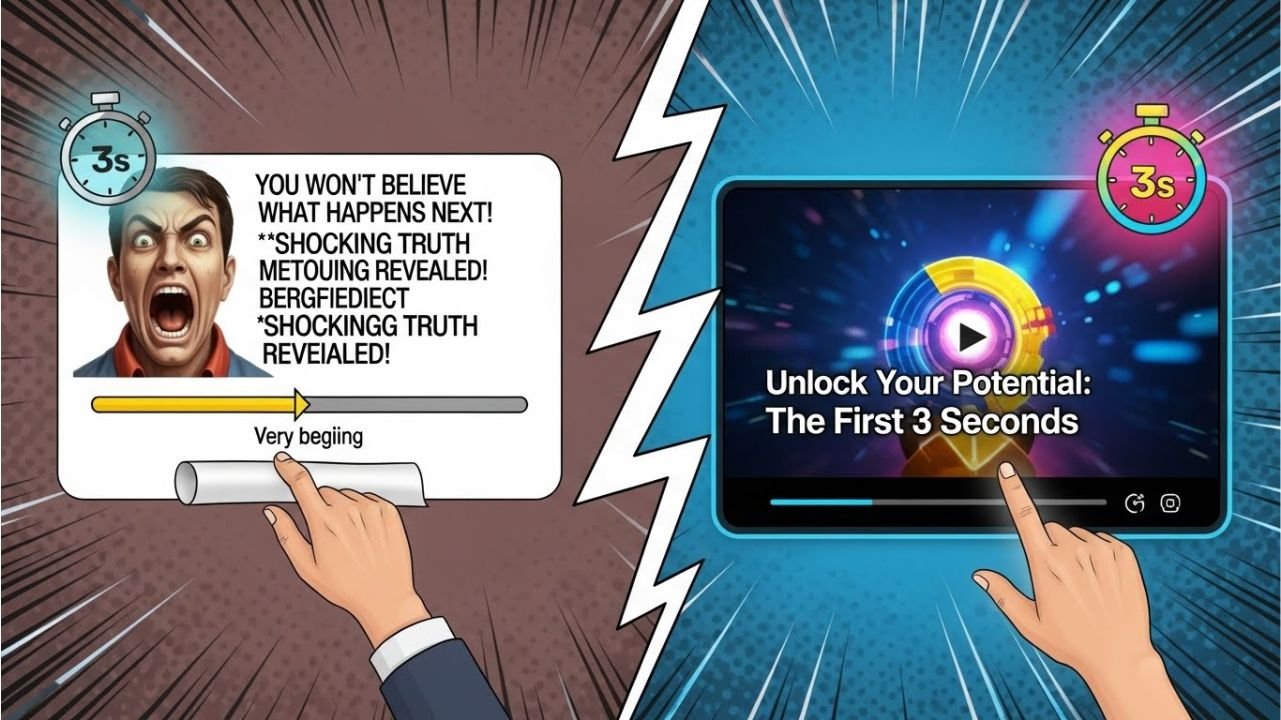
Your first three seconds are gold. But many creators waste them. The 3-second rule only works if you avoid common hook mistakes.
First, let’s talk about overused phrases. Words like “You won’t believe this” or “Wait for it” make viewers scroll instantly. They are tired. They are predictable. No one stops for them anymore.
Next is clickbait without payoff. Promising something exciting but delivering nothing destroys trust. Viewers feel tricked. They leave. Platforms notice, and your watch time drops.
Then there’s the slow intro disguised as context. Long explanations at the start make people impatient. Remember, clarity beats confusion. Don’t bury the hook under “setup.”
Another big mistake is talking about value instead of showing it. Saying, “This video will teach you a trick,” is weak. Showing a glimpse of the trick instantly works better. Demonstrate. Don’t describe.
Finally, many creators start with themselves instead of the viewer. Talking about your experience or your name first makes the audience feel distant. Start with them, their problem, or their curiosity. Make it about the viewer.
Avoid these traps, and your first 3 seconds become magnetic.
Focus on clarity, honesty, and immediate value.
When your hooks are strong, the 3-second rule finally starts working. Viewers stay. Engagement grows. And your videos actually get watched.
The Hidden Psychology Behind Scroll-Stopping Hooks

The truth is simple: your brain decides in milliseconds whether a video is worth watching. That’s why the 3-second rule exists. People don’t think consciously—they react instinctively. If your hook confuses them, they scroll. If it sparks curiosity, they stop.
This is where curiosity gaps come in. A curiosity gap shows just enough information to make the viewer wonder, but not too little to create confusion. Balance is key. Too much mystery makes viewers frustrated. Too little, and they lose interest. Clarity is always stronger than noise.
Next, let’s talk about emotional triggers. Emotions like surprise, joy, fear, or amazement make viewers stick around. They create a connection. They make the brain say, “I need to see this.” That’s why storytelling and quick visual cues work so well in Reels, Shorts, and TikToks.
Another secret is pattern interruption. People scroll through predictable content every day. Break the pattern. Use an unexpected visual, a sudden question, or a shocking statement. It grabs attention instantly.
Finally, remember this: confusion loses, but tension wins. Confusion makes viewers scroll. Tension makes them stay. Build stakes, hint at a payoff, or tease a solution. Make viewers curious enough to watch.
When you understand the psychology behind hooks, your first three seconds stop the scroll.
You don’t just follow the 3-second rule—you use it to capture attention, spark curiosity, and increase retention.
What Successful Creators Do Differently in the First 3 Seconds

Top creators don’t leave the first three seconds to chance. They engineer their openings with a clear strategy. Every frame, every word, and every visual has a purpose. This is why the 3-second rule works for them, while many others struggle.
The first secret? Clarity beats cleverness. A confusing or over-complicated hook might seem smart, but it makes viewers scroll. Successful creators make it simple. They tell the audience exactly what to expect, immediately.
Next, they use pacing, visuals, and framing to guide attention. Quick cuts, bold visuals, or centered framing help the brain focus. Pauses and rhythm give the hook energy. Every movement is intentional, keeping viewers glued.
Another key tactic is showing the outcome before the process. Instead of explaining slowly, creators give a peek at the reward upfront. For example, they might show the finished trick or the exciting moment first. This sparks curiosity and retention instantly.
Finally, they use contrast, stakes, or stakes loss to create tension. By hinting at what could go wrong or showing dramatic contrast, they make viewers want to watch. People naturally seek resolution—they need to know what happens next.
When you combine these techniques, the first three seconds stop the scroll. The 3-second rule is no longer a rule to follow—it becomes a tool to capture attention, communicate value, and hold viewers.
Successful creators don’t gamble. They plan, design, and deliver hooks that are clear, visual, and emotionally engaging.
And that’s why their content thrives.
A Smarter Way to Use the 3-Second Rule (That Actually Works)
Most creators think the 3-second rule is about tricks or gimmicks. The smarter approach is to treat it as a promise, not a trick. You aren’t trying to shock people. You’re telling them, “Stay with me. You’ll get value.” This mindset changes everything.
The key is aligning your hook, content, and payoff. If the first three seconds promise a tip, a story, or a solution, your video must deliver it. When the hook and content match, viewers feel satisfied. They trust you. Platforms notice, and your retention improves.
Next, shift your focus from views to retention. Views are easy. Keeping people watching is hard. And retention signals to algorithms that your content is worth promoting. Every second counts.
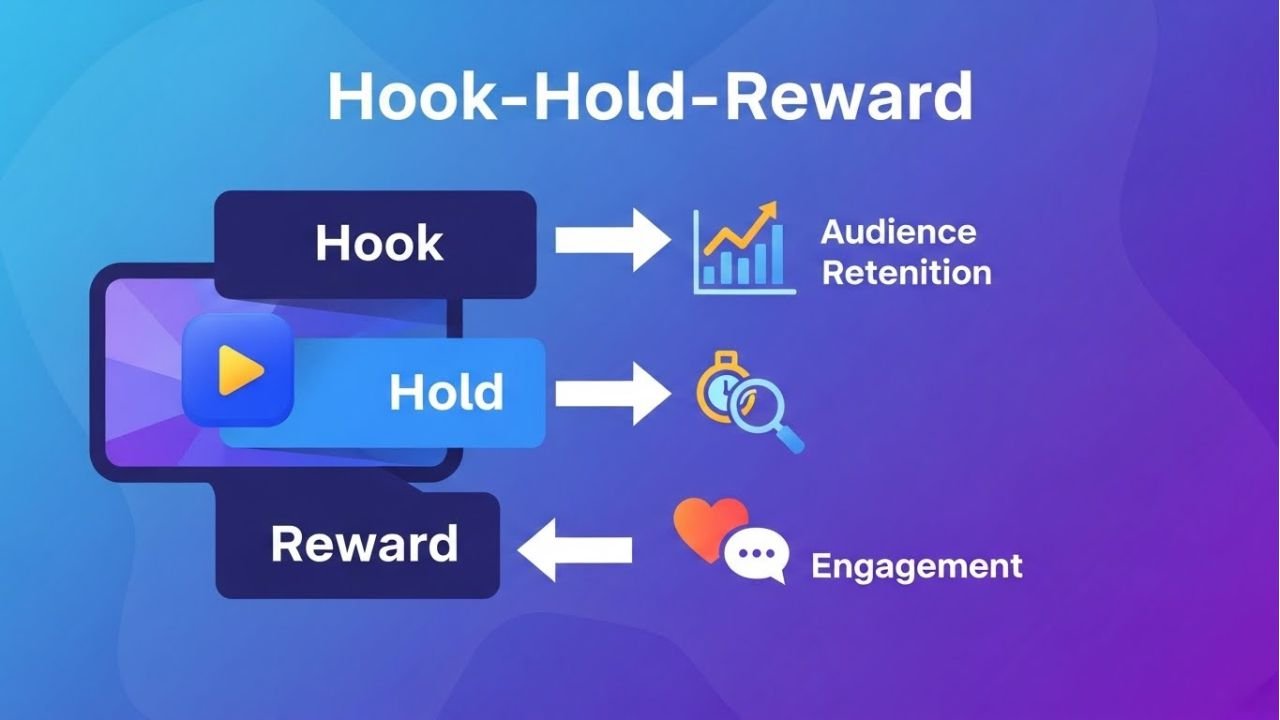
One practical method is the hook–hold–reward framework. First, grab attention with a clear hook. Then, keep viewers engaged by showing progress, tension, or curiosity. Finally, deliver the reward—a solution, a payoff, or a reveal. This formula makes the 3-second rule work naturally.
Finally, match your hooks to audience awareness levels. New viewers need clarity. Returning fans respond to curiosity or contrast. Adjust your hook based on who is watching, and retention skyrockets.
In short, the 3-second rule isn’t a magic trick. It’s a strategy. When used correctly, it captures attention, holds it, and rewards viewers. Stop guessing. Plan your hooks, match them to your content, and watch engagement grow.
Practical 3-Second Hook Examples for Reels, Shorts & TikTok

Creating scroll-stopping hooks is easier when you have examples to follow. The 3-second rule works best when hooks are clear, engaging, and tailored to your content type. Let’s explore some practical ideas.
First, educational content hooks. Show the result first. For example, a quick tip or hack grabs attention immediately. Instead of saying, “I’ll teach you a trick”, show the trick in action. This sparks curiosity and keeps viewers watching.
Next, storytelling hooks. Start with a dramatic moment or conflict. For instance, “I almost gave up, but this changed everything” immediately creates tension. Storytelling hooks make people want to see the outcome.
Relatable or pain-point hooks work wonders, too. Highlight a common problem your audience faces. For example, “Tired of losing followers after one video?” This connects instantly and encourages viewers to stay for the solution.
Use before vs after hook comparisons. Showing a problem and then teasing the result draws attention fast. People naturally want to know how the transformation happens.
Finally, learn how to adapt one hook across platforms. A TikTok hook might be playful, a YouTube Short hook might be clear and visual, and a Reel hook might combine storytelling with quick cuts. Adjust the tone, visuals, and pace, but keep the core idea the same.
When you implement these strategies, your first three seconds stop the scroll. The 3-second rule becomes a tool, not a guess. By using educational, storytelling, and relatable hooks, your content grabs attention, builds curiosity, and maximizes watch time across Reels, Shorts, and TikTok.
How to Test, Fix, and Improve Your Hooks Over Time

Even the best hooks need testing. The 3-second rule isn’t a one-time trick—it’s a skill you improve over time. The first step is to use retention graphs and watch time. Look at where viewers drop off. The faster they leave, the weaker your hook.
Next, try A/B testing intros. Create two versions of the same video hook and compare results. This lets you see which opening works best without wasting your entire content. Small tweaks often make the biggest difference.
Always iterate instead of guessing. Don’t rely on hunches. Use real data. Adjust phrasing, visuals, or pacing. Test again. Over time, your hooks get sharper, your watch time increases, and your videos perform better.
Pay attention to the signs your hook is working—or failing. If viewers stay past three seconds, engage with the content, or rewatch, your hook is strong. If most viewers scroll instantly or drop off within the first few seconds, it’s time to fix it.
Finally, know when to scrap a format completely. Some hooks or formats just don’t resonate, no matter how much you tweak. If your data consistently shows poor retention, stop using it and try a new approach.
By tracking performance, testing variations, and iterating based on results, the 3-second rule stops being a guess. Instead, it becomes a reliable strategy for capturing attention, boosting retention, and creating videos that actually get watched.
Testing hooks is not extra work—it’s the key to growing engagement and mastering short-form video success.
The Real Win Is Earning Attention, Not Chasing It

Let’s pause and tell the truth one last time.
The 3-second rule is not magic. It never was. The real power is not in the rule itself, but in how you use it. Most creators fail because they chase attention instead of earning trust. They try to shock. They try to rush. And sadly, they forget the viewer on the other side of the screen.
Here is the core truth.
The first 3 seconds of a video should make one clear promise. Not a trick. Not clickbait. Just value. When your hook is empty, viewers feel it. They scroll away. That’s why watch time drops, retention suffers, and content dies quietly.
But this is good news.
It means failure is fixable.
To stop being one of the creators who fail, shift your mindset. Stop asking, “How do I grab attention?” Start asking, “How do I deserve it?” Use scroll-stopping hooks that are clear. Use video content psychology to guide, not confuse. Show the outcome early. Then deliver on it.
Now it’s your turn. 🚀
Go back and audit your last 5 videos. Watch only the first three seconds. Be honest. Would you stay? Next, rewrite just one hook using the framework you learned here. Make it simple. Make it clear. Make it human. For more, follow our Instagram.
Finally, join the conversation.
👉 Leave a comment with your biggest hook struggle.
👉 Share this post with a creator who needs it.
👉 And visit 9 Game-Changing Content Creation Software to Ignite Your Creativity to keep improving your short-form content.
Remember, the 3-second rule doesn’t reward noise.
It rewards clarity.