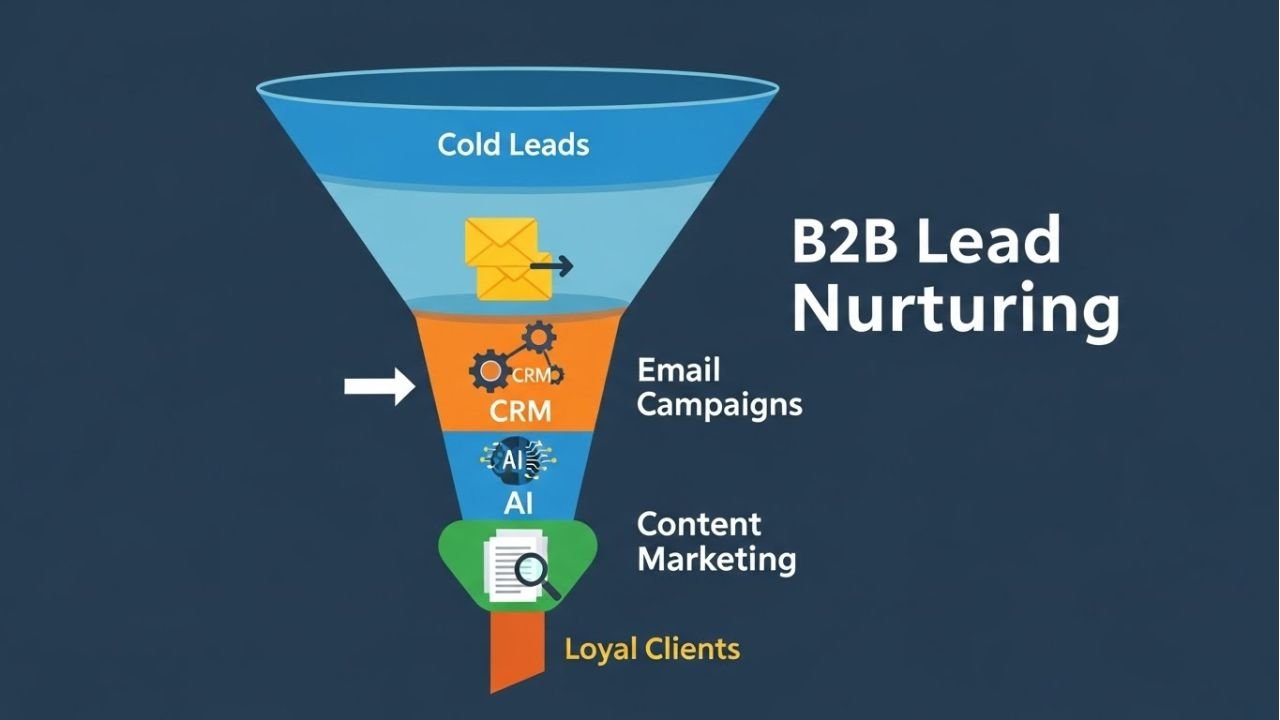
Most B2B businesses struggle with the same hidden problem: their sales funnel leaks trust before it creates sales. You may attract traffic, collect emails, and book calls, yet results stay slow. This is exactly where B2B lead nurturing becomes the missing link. Many teams waste time chasing cold leads who are not ready to buy. They push offers too fast. As a result, prospects lose interest and disappear.
The truth is simple. Most B2B buyers don’t buy right away. They research. They compare. They wait. The modern B2B buyer journey is long and careful. Decision-makers need value before commitment. This is why quick follow-ups alone no longer work. Instead, buyers respond to guidance, education, and timing.
This is where lead nurturing in B2B marketing makes the real difference. A smart B2B lead nurturing strategy builds trust step by step. It helps prospects feel understood. It answers questions before they are asked. Over time, it moves leads from curiosity to confidence. Not by pressure—but by relevance. Not by noise—but by clarity.
In this complete guide, you will learn what B2B lead nurturing really means, how the B2B lead nurturing process works, and why it outperforms aggressive selling. You’ll discover how to warm up cold B2B leads, build a simple lead-nurturing workflow, and align sales and marketing. Most importantly, you’ll learn how to turn interest into loyalty and conversations into conversions.
By the end, you’ll know how to use B2B lead nurturing campaigns to create steady growth, stronger relationships, and consistent revenue—without chasing anyone.
- What Is B2B Lead Nurturing? (And Why It Matters More Than Ever)
- How B2B Buyers Think (Understanding the Modern Decision-Making Process)
- The Core Elements of an Effective B2B Lead Nurturing Strategy
- How to Build a High-Converting B2B Lead Nurturing Funnel
- Proven B2B Lead Nurturing Tactics That Turn Cold Leads Warm
- B2B Lead Nurturing Examples From High-Performing Companies
- Common B2B Lead Nurturing Mistakes (And How to Avoid Them)
- Tools and Technology to Scale B2B Lead Nurturing
- Measuring B2B Lead Nurturing Success (Metrics That Actually Matter)
- Wrap Up: Turn Cold Leads Into Loyal Clients with Smart B2B Lead Nurturing
What Is B2B Lead Nurturing? (And Why It Matters More Than Ever)
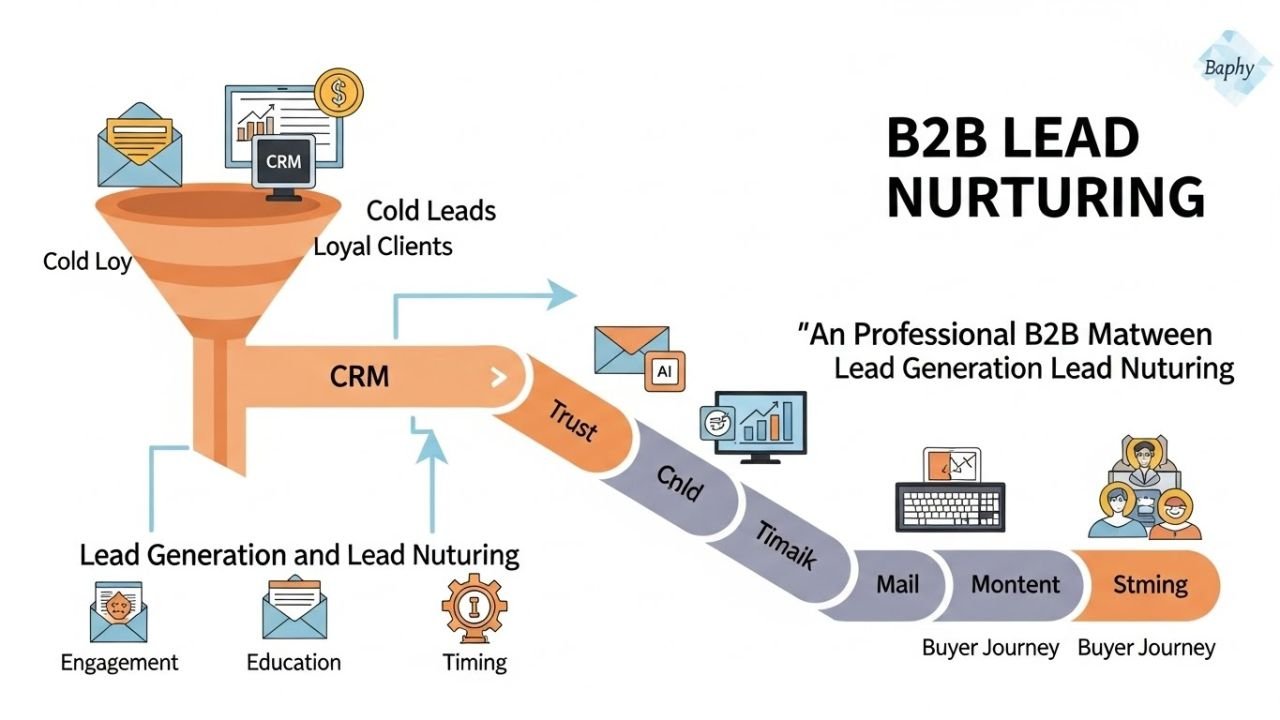
B2B lead nurturing is the process of building trust and guiding potential clients through every stage of their buying journey. Unlike lead generation, which focuses on attracting new prospects, lead nurturing is about engaging, educating, and supporting those who have already shown interest. In simple words, it turns curious leads into confident buyers over time.
Modern B2B buying behavior has changed significantly. Buyers now research, compare, and evaluate options long before contacting a salesperson. They want value, insights, and solutions, not pushy sales messages. That’s why timing, trust, and education are critical. Lead nurturing helps you provide the right content at the right moment, building credibility and keeping your brand top-of-mind.
Unlike traditional sales follow-ups, which often feel rushed or generic, B2B lead nurturing campaigns focus on consistent, personalized communication. They answer questions before they arise and gently guide leads through each decision stage.
In the B2B buyer journey, lead nurturing fits between initial awareness and final purchase. It bridges the gap between curiosity and commitment, ensuring leads feel informed, valued, and ready to take action.
By implementing a smart B2B lead-nurturing strategy, companies can not only increase conversions but also build stronger, long-term relationships. When done right, it transforms cold, hesitant leads into loyal, high-value clients—a shift that every modern B2B business needs to thrive.
How B2B Buyers Think (Understanding the Modern Decision-Making Process)
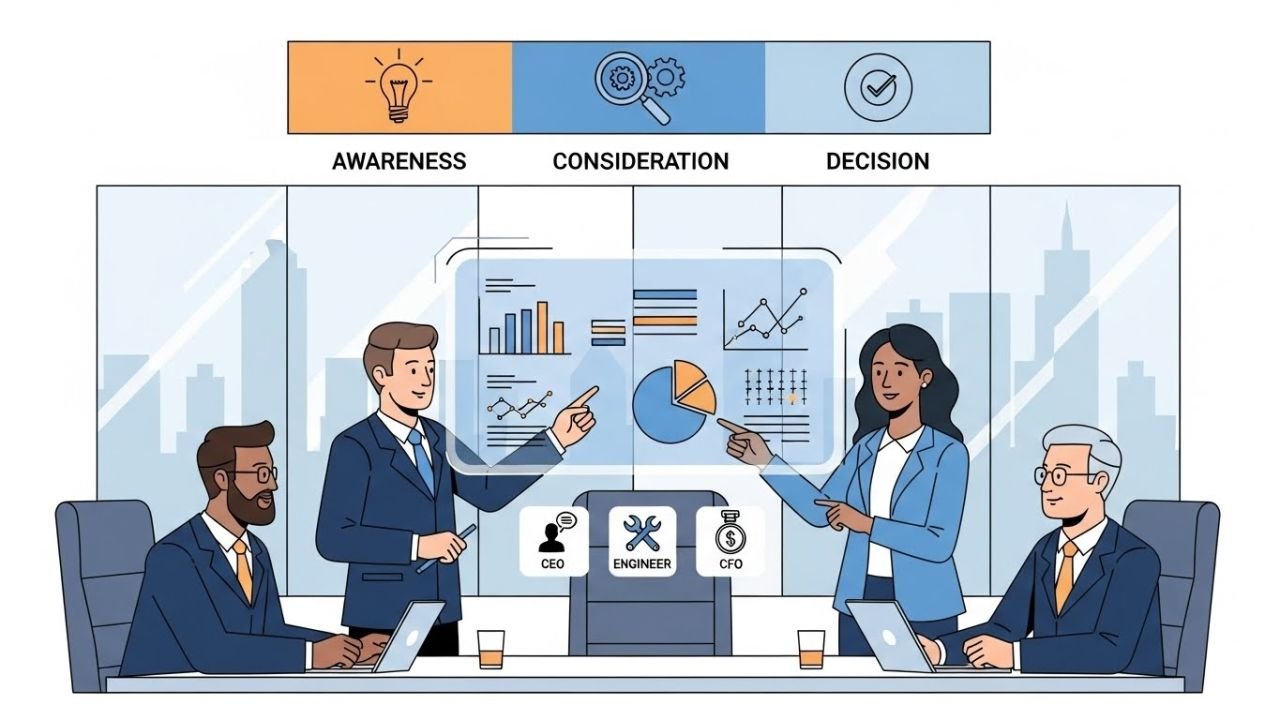
Understanding B2B lead nurturing starts with knowing how B2B buyers think. Unlike simple consumer purchases, B2B decisions are longer and more complex. Multiple people are involved—managers, executives, and teams—each with their own concerns and priorities. This makes the approval process slower and requires careful planning at every stage.
B2B buyers move through three main stages: awareness, consideration, and decision. In the awareness stage, they are learning about solutions. In the consideration stage, they compare options and evaluate value. Finally, in the decision stage, they choose a solution that fits their goals. At every step, value-based communication matters most. Buyers respond to insights, case studies, and clear information—not pushy sales messages.
One common challenge is that B2B leads often go cold. This happens when messages are irrelevant, timing is off, or prospects feel pressured. Without smart lead nurturing campaigns, even high-quality leads can slip away. That’s why a structured B2B lead nurturing strategy focuses on providing the right content at the right moment.
By understanding the modern B2B buyer journey, marketers can create personalized interactions, anticipate objections, and build trust over time. When done correctly, B2B lead nurturing guides hesitant prospects through the complex buying process, turning uncertainty into confidence.
In short, knowing how B2B buyers think helps businesses align marketing with sales, communicate value effectively, and ensure leads don’t go cold before they become loyal, high-value clients.
The Core Elements of an Effective B2B Lead Nurturing Strategy
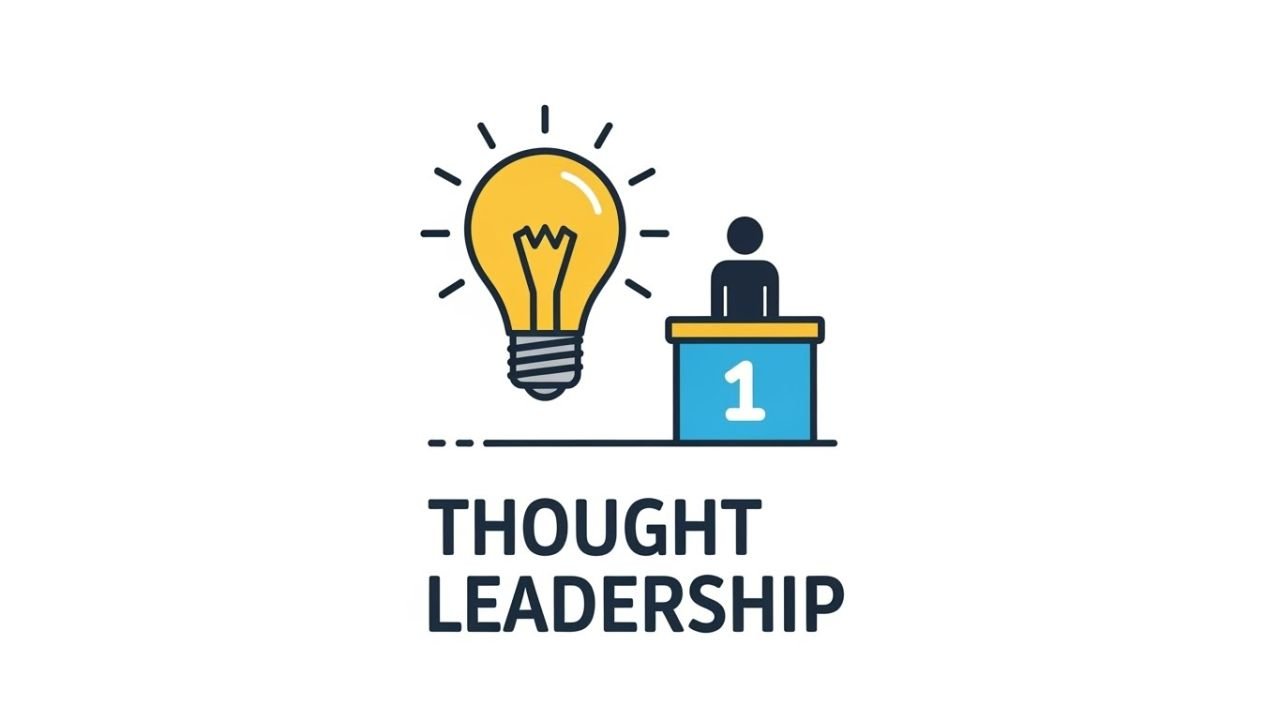
Creating a successful B2B lead nurturing strategy requires a mix of content, timing, personalization, and consistency. Each interaction should provide value, be delivered at the right moment, and feel tailored to the lead’s needs. This ensures your prospects stay engaged and move smoothly through the B2B lead nurturing funnel.
A key part of success is aligning marketing and sales teams. When both teams share goals, insights, and messaging, leads receive a consistent experience. This reduces confusion and builds trust, making your nurturing efforts far more effective.
Choosing the right communication channels is equally important. Email marketing in B2B lead nurturing remains a top performer for sharing updates, insights, and targeted offers. Meanwhile, content marketing and thought leadership help educate prospects, position your brand as an authority, and answer questions before they even ask.
Modern strategies go beyond email. Multi-channel nurturing, including LinkedIn outreach, retargeting ads, and social media touchpoints, ensures your leads encounter helpful content across platforms. This approach keeps your brand visible and relevant throughout the B2B buyer journey.
Consistency is critical. Regular, personalized communication builds credibility, reinforces your value, and prevents leads from going cold. By combining engaging content, smart timing, and multi-channel delivery, you can create a B2B lead nurturing strategy that turns hesitant prospects into confident, loyal clients.
In short, an effective strategy is thoughtful, consistent, and customer-focused—helping your business guide leads naturally from awareness to decision while building long-term relationships and consistent revenue.
How to Build a High-Converting B2B Lead Nurturing Funnel
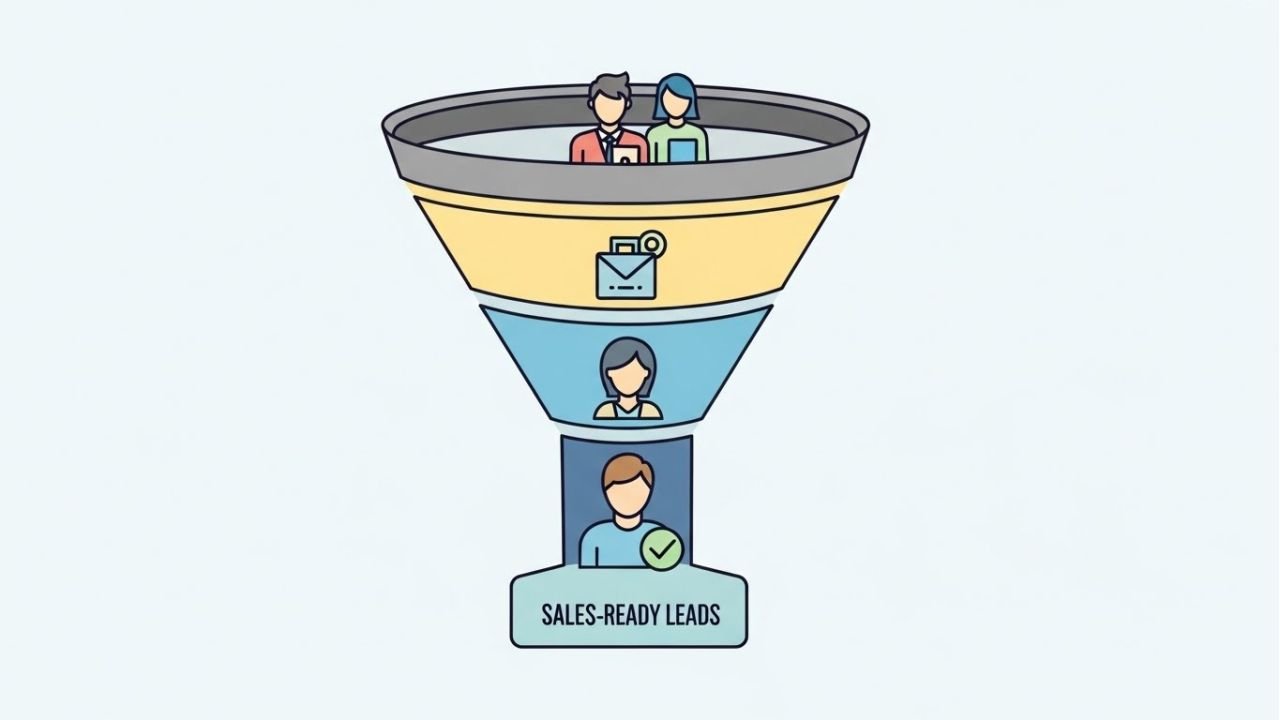
A strong B2B lead nurturing funnel guides prospects from their first touch with your brand all the way to becoming sales-ready clients. The first step is mapping leads across the entire funnel. Understand where they start, what content they consume, and how they progress toward a purchase decision.
Next, focus on segmenting leads based on behavior and intent. Not all leads are the same—some are exploring solutions, while others are ready to talk to sales. By grouping them, you can deliver personalized content that matches their needs and stage in the B2B buyer journey.
At every stage, creating value is crucial. Top-of-funnel leads benefit from educational content like blog posts, guides, or videos. Middle-of-funnel nurturing focuses on comparison content, case studies, and product demos, helping leads evaluate your solution. Tailoring content ensures prospects stay engaged instead of going cold.
Another key element is lead scoring and qualification. Assign points based on engagement, behavior, and company fit. This helps sales teams prioritize high-quality leads and align marketing and sales efforts effectively.
Finally, understand the difference between top-of-funnel vs middle-of-funnel nurturing. Early-stage leads need awareness and education, while mid-stage leads require deeper insights and proof of value. Combining segmentation, scoring, and stage-specific content builds a high-converting B2B lead nurturing funnel that guides prospects naturally, strengthens relationships, and drives consistent revenue.
When implemented thoughtfully, a well-designed B2B lead nurturing funnel transforms cold leads into confident buyers while maintaining trust, relevance, and engagement throughout the process.
Proven B2B Lead Nurturing Tactics That Turn Cold Leads Warm
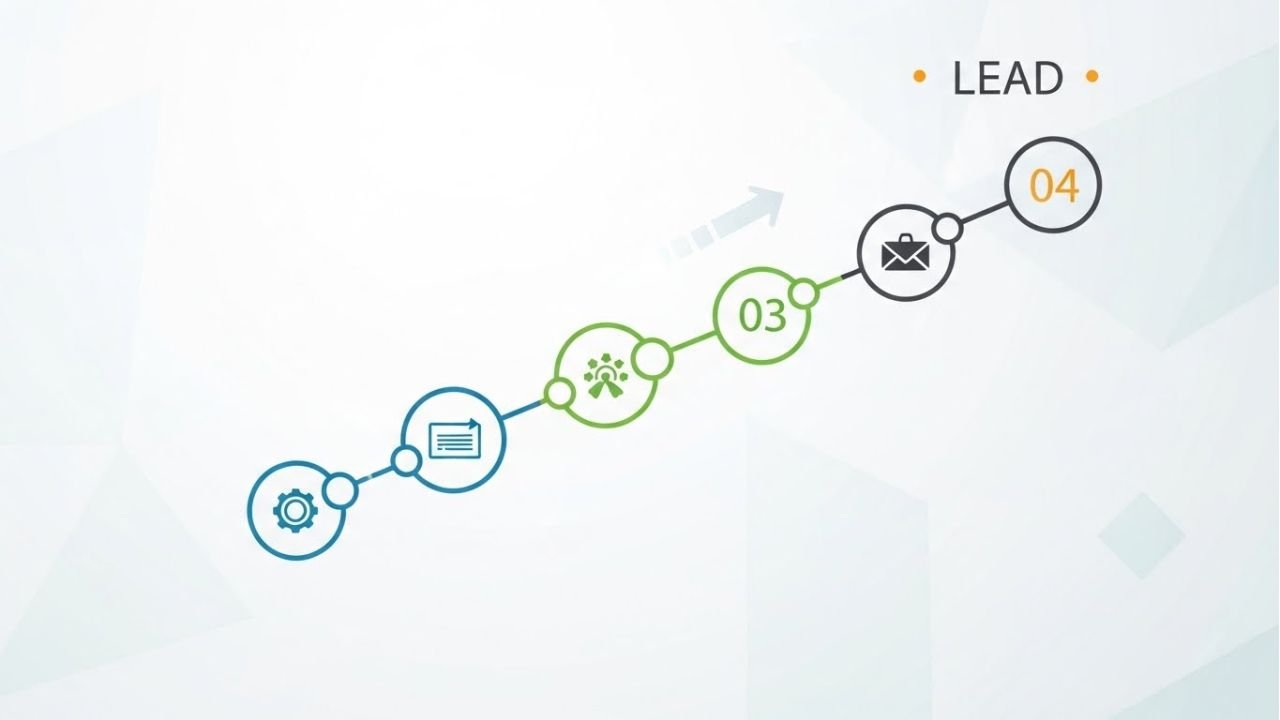
Turning hesitant prospects into engaged clients requires smart and thoughtful B2B lead nurturing tactics. The first rule is simple: focus on educational content over sales pitches. Buyers respond to insights, tips, and solutions that help them solve problems—not messages that push for a quick sale.
Next, prioritize personalization without being intrusive. Use lead behavior and preferences to deliver content that feels relevant. Small touches like addressing leads by name or referencing their interests can make communication feel helpful rather than pushy.
Case studies, industry insights, and social proof are powerful tools. Sharing real examples of successful clients or actionable data builds credibility and shows prospects the value of your solution.
Drip email campaigns are another essential tactic. When done right, drip emails don’t feel spammy; instead, they deliver useful content consistently, keeping your brand top-of-mind while gently guiding leads through the B2B lead nurturing funnel.
In addition, webinars, demos, and free resources give leads a chance to explore your solution firsthand. These interactive experiences educate prospects, answer their questions, and build trust without pressure.
Finally, don’t forget retargeting ads as a nurturing tool. These ads remind leads of your brand, reinforce messages they’ve seen, and encourage them to re-engage, especially if they have gone quiet.
By combining these tactics—educational content, thoughtful personalization, social proof, targeted emails, interactive resources, and retargeting—you can turn cold B2B leads into warm, confident prospects. With consistent execution, these strategies help build trust, engagement, and ultimately long-term, loyal clients.
B2B Lead Nurturing Examples From High-Performing Companies
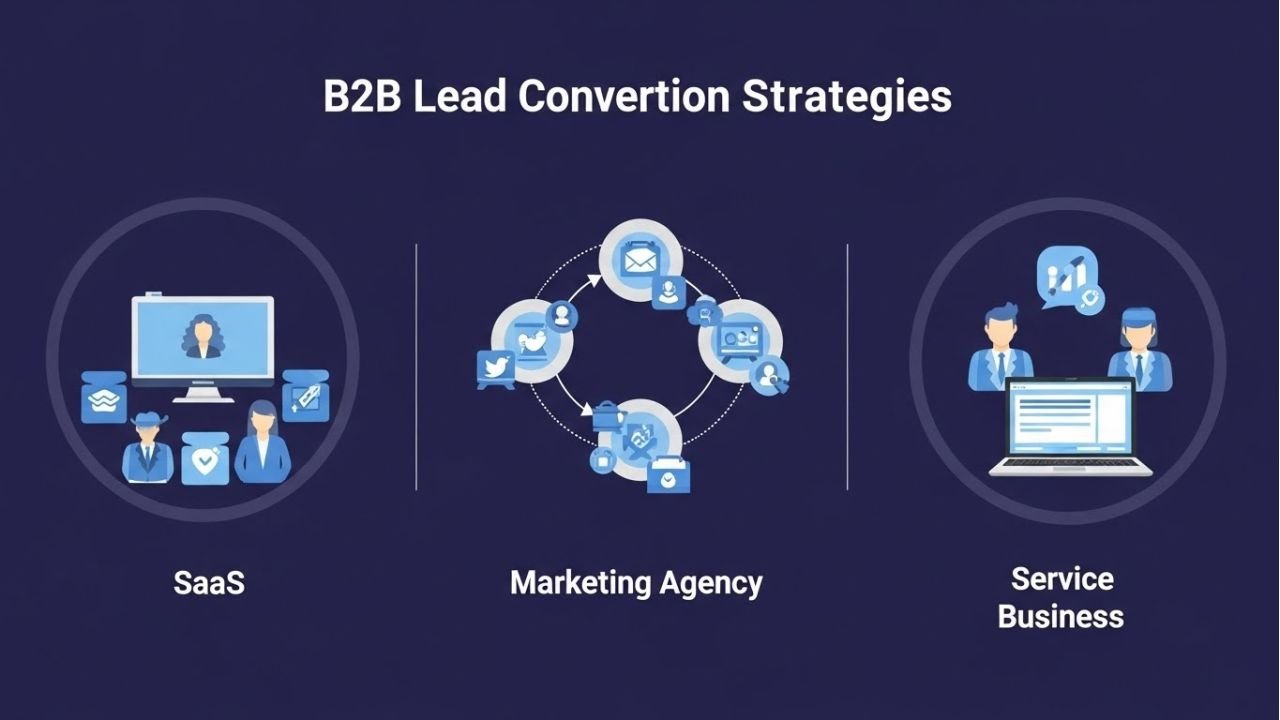
Seeing B2B lead nurturing in action can make the concept much clearer. Top-performing companies across SaaS, agencies, and service industries have used creative strategies to turn cold leads into loyal clients. For example, a SaaS company sent a series of personalized educational emails that addressed specific pain points for different industries. As a result, engagement rates increased, and leads moved smoothly through the B2B lead nurturing funnel.
Similarly, a marketing agency combined thought leadership content with interactive webinars. Prospects could learn, ask questions, and see real-world results before speaking with a salesperson. This approach not only built trust but also shortened the sales cycle.
A professional services firm focused on case studies and client testimonials, delivering them through multi-channel nurturing, including email, LinkedIn, and retargeting ads. By highlighting tangible results, the firm created credibility and convinced hesitant leads to take the next step.
What worked in all these examples? First, providing value at every stage. Second, personalizing communication based on lead behavior and interests. Third, using multiple channels to reinforce messages without overwhelming prospects.
Key takeaways for your business are simple: map your lead journey, segment your audience, deliver helpful content consistently, and use social proof. Even small actions, like sharing a relevant case study or hosting a short demo, can warm cold leads and increase conversions.
By learning from these high-performing B2B lead nurturing examples, you can adopt strategies that build trust, engage prospects, and ultimately turn cold leads into long-term, loyal clients.
Common B2B Lead Nurturing Mistakes (And How to Avoid Them)

Even the best marketers can stumble when it comes to B2B lead nurturing. One common mistake is over-automation and a lack of personalization. Sending generic emails or repeating the same message makes leads feel ignored. Instead, tailor content to their needs and behaviors to keep them engaged.
Another pitfall is pushing sales too early. Many businesses try to close deals before leads are ready, which often turns prospects cold. Focus first on educating, building trust, and guiding leads through the B2B lead nurturing funnel.
Ignoring data and performance metrics is also risky. Without tracking engagement, click-throughs, and conversions, it’s impossible to know what’s working. Regularly review your campaigns to identify gaps and improve results.
How do you know your lead nurturing isn’t working? Signs include stagnant engagement, low email opens, declining website activity, and slow movement through the funnel. Recognizing these signals early allows you to take action before leads disengage completely.
Fixing stalled leads starts with re-evaluating your content and communication strategy. Personalize messaging, adjust timing, and introduce new formats like case studies, webinars, or retargeting ads. Re-engage cold leads gradually instead of overwhelming them with sales pitches.
By avoiding these common mistakes, you can create a B2B lead nurturing strategy that is personalized, data-driven, and trust-focused. This ensures leads stay engaged, progress naturally through the funnel, and ultimately convert into loyal, high-value clients.
Tools and Technology to Scale B2B Lead Nurturing

To make B2B lead nurturing efficient and effective, using the right tools is essential. Marketing automation platforms help you send timely, personalized messages without manual effort. They manage drip email campaigns, lead scoring, and segmentation, ensuring leads move smoothly through the B2B lead nurturing funnel.
Integrating a CRM is equally important. A CRM aligns marketing and sales teams by tracking lead interactions, preferences, and behavior. This creates a unified view of each prospect, allowing sales to follow up at the right time with the right message.
Modern technology also includes AI and personalization tools. AI analyzes lead behavior, predicts engagement, and recommends tailored content. Personalization ensures your communications feel human, relevant, and helpful, which builds trust and strengthens relationships.
When choosing B2B lead nurturing tools, focus on usability, integration capabilities, and scalability. The right platform should support multi-channel nurturing, reporting, and workflow automation without being overly complicated.
It’s important to know when to automate vs. when to stay manual. Automate repetitive tasks like emails, scoring, and follow-ups to save time. Stay manual for personalized outreach, complex objections, or high-value leads that need a human touch.
By combining marketing automation, CRM, AI, and thoughtful personalization, businesses can scale B2B lead nurturing efficiently while maintaining meaningful engagement. The right tools let you nurture more leads, reduce manual work, and ultimately turn cold prospects into loyal, high-value clients.
See Also: Zoho CRM & Alternatives – The management of the sales pipeline is simple.
Measuring B2B Lead Nurturing Success (Metrics That Actually Matter)
Measuring the impact of B2B lead nurturing is critical to improving results and driving revenue. The first step is tracking engagement. Look at how leads interact with your emails, content, webinars, or social media posts. High engagement shows your nurturing campaigns are relevant and valuable to your audience.
Next, focus on conversion metrics. Track how many leads move from one stage of the B2B lead nurturing funnel to the next. Are more top-of-funnel leads becoming middle-of-funnel prospects? Are middle-of-funnel leads turning into sales-ready opportunities? Monitoring these conversions helps you understand what’s working and where leads may stall.
Equally important is evaluating pipeline impact. Strong lead nurturing should not just increase engagement—it should generate qualified leads that contribute to revenue. Measure how nurtured leads affect overall sales, deal size, and customer lifetime value.
Tracking lead movement through the funnel gives actionable insights. Tools like CRM platforms and marketing automation help visualize each lead’s journey. This data shows where prospects drop off and where additional touchpoints or content are needed.
Finally, use these insights to optimize future campaigns. Adjust messaging, timing, and content based on performance metrics. For example, if certain emails have low open rates, test new subject lines or formats. If some leads disengage mid-funnel, introduce case studies, demos, or webinars to re-engage them.
By measuring B2B lead nurturing success with the right metrics—engagement, conversion, and pipeline impact—you can continually refine your strategy, improve relationships, and ultimately turn cold leads into loyal, high-value clients.
Wrap Up: Turn Cold Leads Into Loyal Clients with Smart B2B Lead Nurturing
In the world of B2B marketing, B2B lead nurturing is more than just a buzzword—it’s the engine that drives sustainable revenue. Instead of pushing sales too fast, nurturing focuses on building relationships, earning trust, and guiding leads through every stage of the B2B customer journey. When done right, it transforms cold, uncertain prospects into loyal, high-value clients who are ready to engage and invest.
The key shift is simple but powerful: move from selling to relationship-building. A structured B2B lead nurturing strategy allows you to stay connected, provide value, and respond to each lead’s needs. It turns repetitive follow-ups into thoughtful interactions, helping your B2B lead nurturing funnel work smarter, not harder. Over time, this approach not only boosts conversion rates but also strengthens your brand and credibility in the market.
Now is the time to act. Start implementing a clear lead nurturing workflow, leverage personalized B2B marketing, and measure your results to refine every campaign. Even small improvements can create a big impact, turning hesitant prospects into loyal partners who return again and again.
Ready to take your B2B lead nurturing to the next level? Subscribe to get advanced B2B marketing insights and actionable strategies delivered straight to your inbox. Learn how to optimize your B2B lead nurturing campaigns, automate wisely, and ultimately turn cold leads into loyal, revenue-driving clients.
With consistent effort and the right approach, B2B lead nurturing can become your most reliable growth engine. Don’t just chase leads—nurture them, guide them, and watch your business thrive.