

In today’s fast-paced world, many people feel overworked, stressed, and burned out. Long hours, endless emails, and constant deadlines leave little time for family, hobbies, or even rest. If this sounds familiar, you are not alone. Achieving a healthy work-life balance is no longer a luxury—it’s essential for personal fulfillment and professional success. When we neglect balance, our mental well-being suffers, productivity drops, and even small tasks feel overwhelming.
But here’s the good news: work-life balance is possible. It’s not about working less or abandoning responsibilities—it’s about managing your time, energy, and priorities wisely. By learning to set boundaries, embrace healthy routines, and practice stress management techniques, you can reclaim your life without sacrificing your career. Small changes in daily habits can lead to big improvements in focus, productivity, and emotional well-being.
In this guide, we’ll explore actionable strategies, practical tips, and mindset shifts to help you achieve sustainable balance. You’ll discover how to align your personal and professional goals, create life-work harmony, and build routines that support both your health and success. From time management techniques for busy professionals to mindfulness practices and self-care routines, every section is designed to give you tools you can start using today.
Whether you’re a busy entrepreneur, a professional climbing the career ladder, or someone trying to juggle work and personal life, this post will help you take control. By the end, you’ll understand how to reduce stress, boost productivity, and enjoy a more satisfying life. It’s time to stop feeling overwhelmed and start creating a life where work and personal time exist in perfect harmony.
- Understanding Work-Life Balance
- Identify Your Priorities for True Balance
- Effective Time Management Strategies
- Set Boundaries and Protect Your Personal Life
- Cultivate Healthy Habits for Mind and Body
- Leverage Technology Without Losing Yourself
- Build a Supportive Environment
- Monitor, Adjust, and Evolve Your Balance
- Take Charge of Your Work-Life Balance Today
Understanding Work-Life Balance
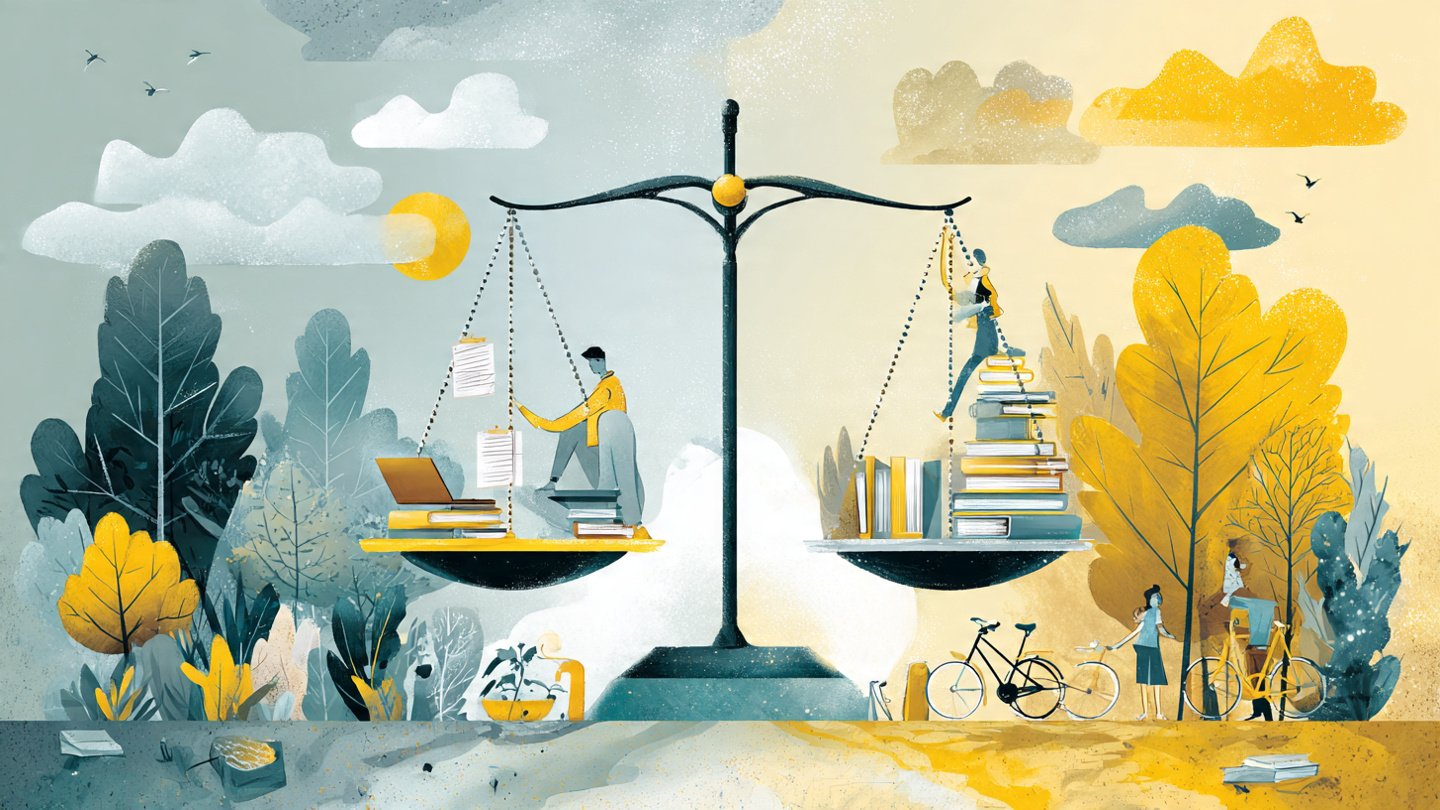
Work-Life Balance is more than just dividing your day equally between work and personal life. It means creating life harmony where both your career and personal well-being thrive. Many people think balance means spending the same number of hours at work and at home, but the truth is it’s about quality, not quantity. A few focused, productive hours at work paired with meaningful personal time can bring more satisfaction than long, exhausting days.
Achieving balance helps reduce work stress and supports mental wellness. When you manage your time and energy effectively, you can enjoy your job without feeling drained, while still having space for family, hobbies, and self-care. Balance is essential for physical health, too. Stress from overworking can lead to fatigue, poor sleep, and even serious health issues over time.
Moreover, work-life balance directly impacts your career growth. Professionals who maintain balance are often more focused, creative, and motivated. They make better decisions, communicate effectively, and perform consistently without burning out.
In short, understanding work-life balance is about making intentional choices that support both your personal life and professional goals. It’s about creating a daily routine that encourages mental clarity, emotional well-being, and life satisfaction. By valuing both work and personal time, you can achieve a fulfilling, productive, and healthy lifestyle.
Identify Your Priorities for True Balance
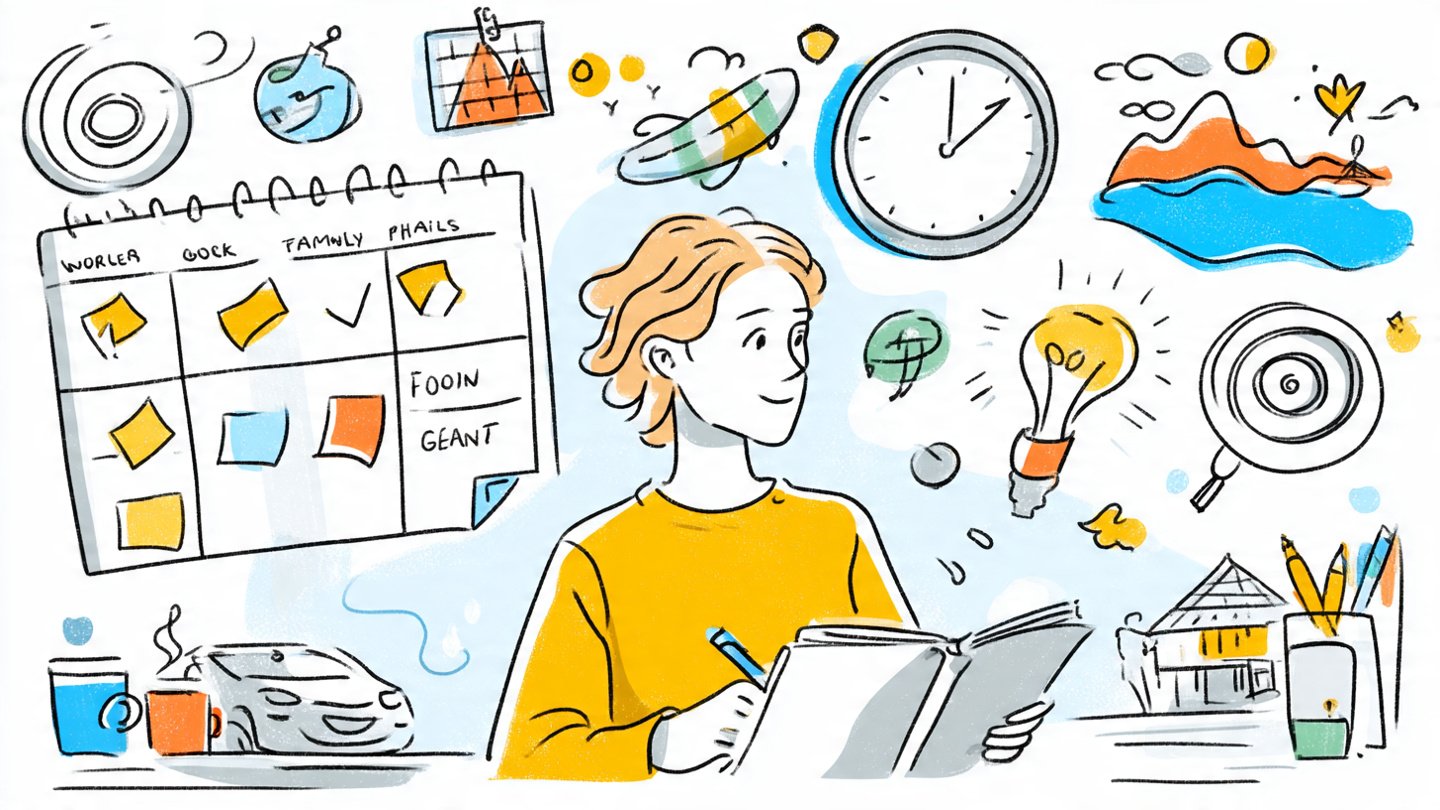
Achieving work-life balance starts with understanding what truly matters to you. To create a balanced life, you need to define your personal and professional priorities. Ask yourself: What tasks bring value to my career? What activities bring joy and growth to my personal life? Answering these questions helps you focus on what really counts.
One effective way to do this is through simple self-assessment tools. Conduct a time audit to see where your hours go each day. Use goal mapping to outline both career and personal objectives. Try reflection exercises each week to evaluate what worked well and what drained your energy. These steps improve time management and guide you toward better choices.
Once you know your priorities, it’s important to align your work tasks with your personal values. For example, if family time is a top priority, schedule work around it or delegate tasks that don’t contribute to your core goals. When your daily activities reflect your values, you create a life that supports personal growth and reduces unnecessary stress.
Remember, work-life balance is not about doing everything perfectly. It’s about making intentional decisions that maximize your energy, satisfaction, and productivity. By identifying your priorities, you gain clarity, reduce overwhelm, and take control of your day. With a clear focus, balancing work and personal life becomes easier, more rewarding, and sustainable over the long term.
Effective Time Management Strategies
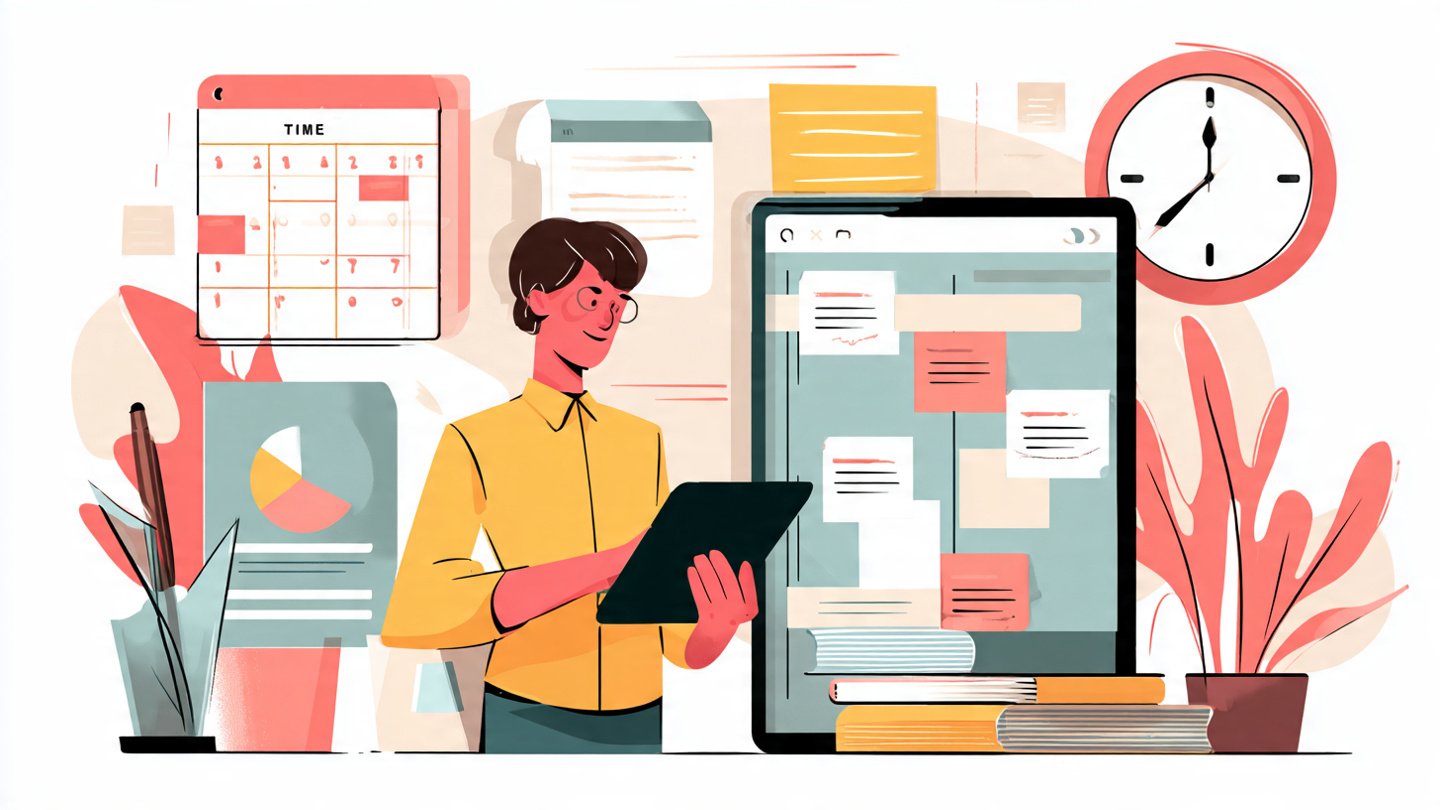
Mastering work-life balance begins with effective time management. When you control your time, you control your day. Good time management helps reduce stress, increase productivity, and create space for both work and personal life.
One key technique is prioritization. Use tools like the Eisenhower Matrix to separate urgent tasks from important ones. The ABC method is another great way to rank tasks by importance and tackle what matters most first. These methods keep you focused and prevent wasted effort on low-value activities.
Next, consider scheduling and batching tasks. Group similar tasks together and allocate specific times for them. For example, set one block for emails and another for project work. This time blocking method improves efficiency and helps you stay on track throughout the day.
Another common mistake is multitasking. While it feels productive, switching between tasks reduces focus and slows progress. Instead, focus on one task at a time using focus techniques like the Pomodoro method. Also, minimize distractions—turn off notifications, close unused tabs, and create a quiet workspace whenever possible.
By implementing these productivity hacks, you create a structured routine that supports both your professional and personal goals. Consistent time management strategies help you stay organized, reduce overwhelm, and move closer to true work-life balance.
Remember, managing time effectively isn’t about doing more—it’s about doing what matters most efficiently, leaving space for rest, growth, and happiness.
Set Boundaries and Protect Your Personal Life

Achieving work-life balance is impossible without setting clear boundaries. Saying no to extra tasks or distractions is not selfish—it’s essential for protecting your time, energy, and personal space. Boundaries help reduce stress, prevent burnout, and create a healthier routine where both work and life thrive.
Start by managing your work hours and digital boundaries. Schedule when you will respond to emails, attend meetings, or take calls. Turn off notifications outside work hours to avoid being constantly pulled into work tasks. Using tools like calendar alerts and dedicated work blocks supports work flexibility while keeping your personal life intact.
Communicating boundaries clearly is just as important. Let colleagues know your working hours and limits. At home, share your schedule with family, so they understand when you need focus time. When everyone respects these limits, it creates a supportive environment that protects your mental well-being and helps maintain life harmony.
Additionally, small habits like taking short breaks, having a dedicated workspace, and keeping weekends for personal activities strengthen your boundaries. Remember, protecting your personal life is not about avoiding responsibility—it’s about making intentional choices that allow you to perform better at work and enjoy life outside it.
By setting and maintaining boundaries, you reduce work stress, enhance focus, and make real progress toward lasting work-life balance. Clear limits empower you to live a fulfilling, productive, and stress-free life every day.
Cultivate Healthy Habits for Mind and Body

Achieving work-life balance is not just about managing time—it’s also about caring for your mind and body. Your lifestyle choices play a huge role in how balanced and energized you feel each day. Simple habits like sleep, nutrition, and exercise can make a big difference in your focus, energy, and overall mental clarity.
Getting enough sleep restores your body and mind, helping you tackle tasks efficiently. Eating balanced meals fuels your energy and keeps you alert throughout the day. Regular exercise, even a short walk or stretching routine, improves mood, reduces stress, and supports wellness routines that sustain long-term balance.
In addition to physical health, caring for your mind is essential. Mindfulness and meditation practices help you stay present, reduce anxiety, and improve emotional resilience. Simple stress management techniques, such as deep breathing exercises or journaling, allow you to release tension and regain focus.
Incorporating self-care practices into your daily routine strengthens your ability to manage both work and personal life. Even a few minutes of intentional relaxation or reflection can create significant improvements in productivity, creativity, and overall happiness.
Remember, work-life balance thrives when your body and mind are nurtured. By cultivating healthy habits, you boost your energy, reduce stress, and build a lifestyle where work and personal life complement each other naturally. These small, consistent choices help you live a more focused, fulfilling, and balanced life every day.
Leverage Technology Without Losing Yourself

Technology can be a great ally in achieving work-life balance, but it can also become a source of digital burnout if not used wisely. The key is to leverage tools and apps that enhance productivity without overwhelming your personal life.
Start with productivity apps that organize tasks, set reminders, and track your progress. Time trackers help you understand how you spend your day, while automation tools can handle repetitive tasks, giving you more energy for important work and personal activities. These tools support smart productivity and help you stay focused without feeling overworked.
However, technology is only helpful when you know when to disconnect. Set clear limits for checking emails, messages, or social media. Consider scheduling tech-free periods in your day or using apps that block distractions during work hours. These habits improve digital wellness and prevent constant interruptions that steal your focus.
For remote workers, having remote work strategies is crucial. Use technology to communicate efficiently, collaborate with colleagues, and manage projects, but avoid letting it spill into your personal time. Balance comes from intentional use, not constant connectivity.
By choosing the right apps, automating tasks, and creating boundaries around technology, you can enjoy the benefits of modern tools while protecting your personal life. Work-life balance improves when technology serves you—not the other way around. With these strategies, you can stay productive, reduce stress, and enjoy both work and personal life fully.
Build a Supportive Environment

Maintaining work-life balance is much easier when you have a strong support system. Friends, family, and colleagues play a key role in helping you stay focused, reduce stress, and protect your personal time. When people around you respect your boundaries, it creates an environment where both work and personal life can thrive.
Start by encouraging family and friends to understand your schedule. Share your priorities and let them know when you need uninterrupted focus or personal time. This simple step fosters respect and reduces conflicts, helping you maintain life harmony.
In the workplace, support comes from mentors, accountability partners, and a positive work culture. Mentors guide you with advice and experience, while accountability partners help you stay on track with goals. Collaborating with a team that values balance ensures a smoother workflow and less stress. These practices enhance team balance, making it easier to focus on high-priority tasks without feeling overwhelmed.
Additionally, a supportive environment encourages open communication. When you can express your needs and seek help when necessary, it strengthens trust and reduces pressure. This approach not only improves mental wellness but also boosts productivity and personal fulfillment.
Remember, achieving work-life balance is not a solo journey. By building a network of understanding people, both personally and professionally, you create a foundation for success. With the right support, you can manage responsibilities effectively, enjoy your personal life, and grow in your career—all without feeling stretched too thin.
Monitor, Adjust, and Evolve Your Balance
Achieving work-life balance is not a one-time task—it’s a continuous journey. Life changes, priorities shift, and responsibilities evolve, so it’s important to regularly monitor and adjust your balance. Taking time for self-reflection helps you understand what is working and what needs improvement.
Start by watching for signs of imbalance or burnout. Feeling constantly tired, stressed, or overwhelmed is are red flag. Struggling to focus, skipping self-care, or missing important personal events can also indicate that your balance is off. Recognizing these signs early allows you to make life adjustments before stress takes a toll on your health and productivity.
Next, be flexible and adapt your strategies as life changes. What worked last year may not work today. For example, a new project at work or changes in family responsibilities may require revisiting your schedule, priorities, or boundaries. Adjusting routines and expectations keeps your personal development on track and supports long-term balance.
Incorporating small, intentional changes regularly can make a big difference. Try reflecting weekly or monthly, reviewing goals, and making tweaks where needed. Over time, these adjustments create a sustainable routine that supports both work and personal life.
Remember, work-life balance is an evolving process. By actively monitoring your habits, adapting to new challenges, and learning from experiences, you can maintain a healthy, productive, and fulfilling lifestyle. Continuous improvement ensures that your life stays aligned with your values and goals, bringing lasting mental clarity and satisfaction.
Take Charge of Your Work-Life Balance Today
Now that you’ve explored the key strategies for achieving work-life balance, it’s time to put them into action. Remember, balance doesn’t happen overnight—it grows with small, consistent steps. Start by setting clear boundaries, managing your time wisely, and prioritizing tasks that matter most. Embrace healthy routines, practice stress management techniques, and incorporate simple self-care habits into your day. Each of these actions strengthens your mental well-being, boosts productivity, and helps you feel more in control of your life.
The benefits of mastering work-life balance are clear. You’ll feel less stressed, enjoy more personal fulfillment, and notice a positive impact on your professional success. Tasks that once seemed overwhelming will become manageable, and you’ll have more energy to spend on personal development, family, and hobbies. By aligning your career goals with your personal priorities, you create a life where work and personal time complement each other, not compete.
Here’s the most important part: start today. Pick one strategy from this guide—whether it’s time management, setting boundaries, or practicing mindfulness—and commit to it. Take small steps, track your progress, and celebrate every improvement. Over time, these actions add up, transforming not just your schedule but your overall quality of life.
Your journey to life-work harmony begins now. Don’t wait for the “perfect moment” to create change. By taking intentional action today, you can reduce stress, increase productivity, and enjoy a more balanced, fulfilling life. Remember, achieving work-life balance is a journey, and every small step moves you closer to the life you deserve.