Every content creator knows this feeling. You want to write, but your mind feels empty. Ideas don’t flow. Motivation feels low. In today’s fast digital world, the modern creator’s struggle with consistency and creative burnout is real. You are expected to post blogs, videos, captions, and emails again and again. Over time, this pressure makes writing feel heavy instead of fun. As a result, writer’s block shows up more often than ever.
For years, people have shared the same advice: “Just write.” Sadly, that advice often fails. When your brain is tired, forcing words can make things worse. It increases stress. It kills creativity. And instead of helping, it makes writers doubt their skills. That is why many creators now look for better writer’s block solutions that support their thinking, not fight it.
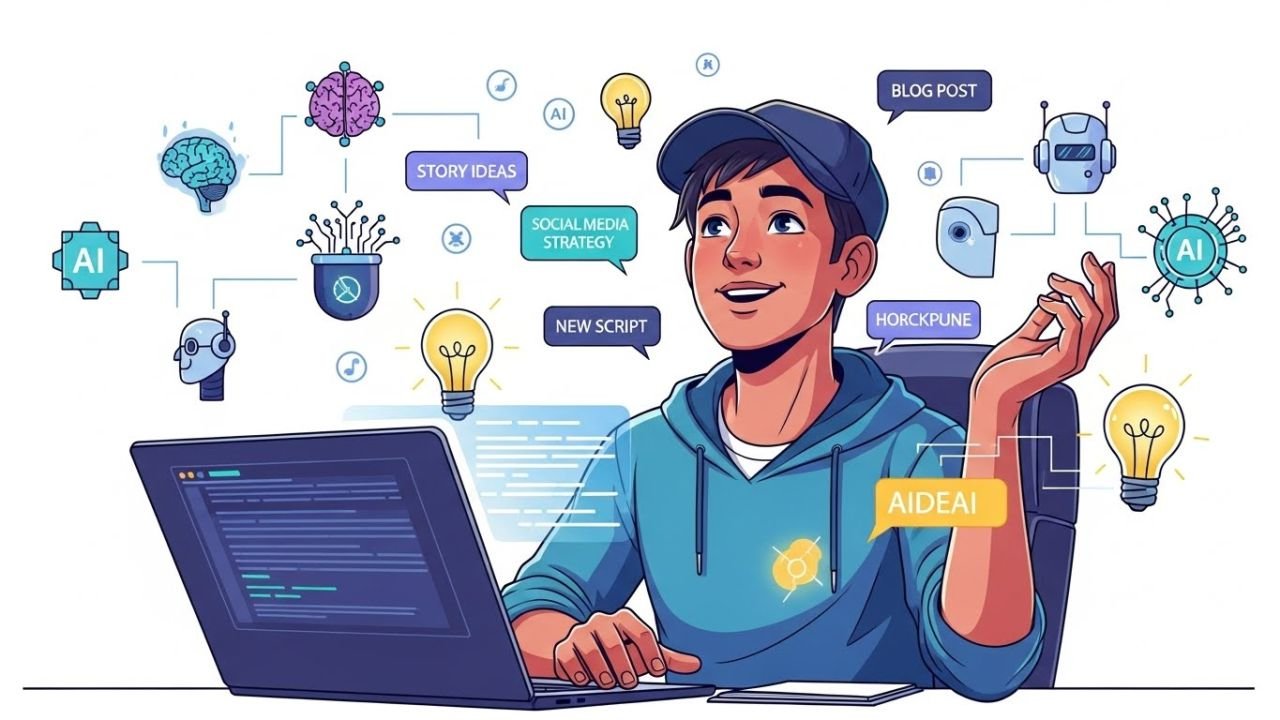
This is where AI enters the story. When used the right way, AI for writers can be a powerful helper. It does not replace your voice. Instead, it supports your ideas. It helps you think clearly. It helps you start. Most importantly, it can help you beat writer’s block with AI—if used responsibly. Ethical and responsible AI writing keeps your work original, human, and meaningful.
This post introduces a content creator’s ethical prompt toolkit. It is designed to help you unlock ideas, reduce pressure, and enjoy writing again. You will learn how to use AI writing prompts without plagiarism. You will learn AI-assisted writing that respects creativity. By the end, you will know how to turn AI into a thinking partner—not a shortcut. Let’s make writing feel simple, fun, and human again.
- What Writer’s Block Really Is (And Why It’s Not a Lack of Talent)
- Can You Beat Writer’s Block with AI Without Losing Your Voice?
- Ethical AI Writing Explained: What Responsible Content Creation Looks Like
- The Ethical Prompt Framework That Helps Beat Writer’s Block with AI
- AI Writing Prompts That Actually Unlock Creativity (Not Generic Content)
- Best Ways Content Creators Can Use AI to Overcome Creative Block
- Common Mistakes Writers Make When Using AI for Writer’s Block
- A Simple Workflow to Beat Writer’s Block with AI (Step-by-Step)
- Final Thoughts: Writing Freely Again with Ethical AI
What Writer’s Block Really Is (And Why It’s Not a Lack of Talent)
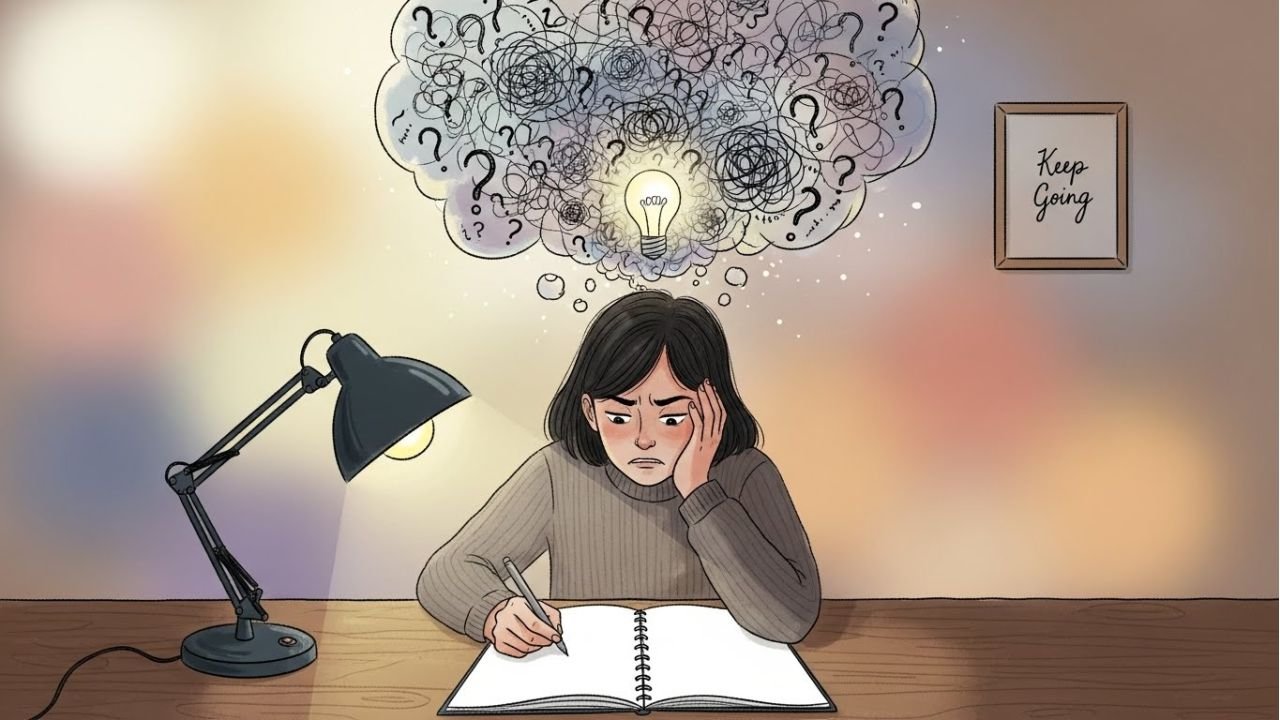
Writer’s block can feel like a big problem. Many creators think it means they are not good enough. But that is not true. Writer’s block is not a lack of talent. It is a signal. When we reframe the problem this way, trust grows. Fear goes down. And a real emotional connection begins. This shift helps content creators breathe and think clearly again.
So, what causes writer’s block? First, perfectionism and fear of judgment play a huge role. Creators want every word to be perfect. They worry about likes, comments, and criticism. Because of this, the brain freezes. Next comes idea overload vs clarity. There are too many ideas, tools, and trends. When everything feels important, nothing feels clear. As a result, starting becomes very hard.
Another common cause is burnout and cognitive fatigue. Writing every day without rest tires the mind. A tired brain cannot create freely. Instead, it protects itself by slowing down. This is normal. It happens to many skilled writers and marketers. Even experts face it.
Sadly, forcing productivity makes things worse. When you push harder, stress grows. Creativity shrinks. That is why old advice like “just write” often fails. Instead of helping, it adds pressure.
This is where a new approach helps. By understanding writer’s block, creators can beat writer’s block with AI in a healthy way. AI for writers can support thinking, not replace it. With ethical use and clear prompts, AI-assisted writing becomes a gentle guide. It helps creators regain clarity, energy, and confidence—without losing their human voice.
Can You Beat Writer’s Block with AI Without Losing Your Voice?

Many creators ask an important question. Can I use AI and still sound like me? This worry is fair. Some fear that AI will steal their voice or make their work feel fake. So let’s be clear from the start. You can beat writer’s block with AI without losing your voice—when you use it the right way. Addressing these ethical concerns early builds trust and confidence.
First, understand this simple idea. AI is a thinking partner, not a replacement. It does not feel emotions. It does not live your story. You do. That is why human–AI collaboration in writing works best when humans lead. You bring meaning. AI brings support. Together, they create clarity.
So, where does AI help the most? It shines in ideation, structure, and clarity. When ideas feel stuck, AI for writers can suggest angles. When thoughts feel messy, it can help organize them. When words feel heavy, it can help simplify them. This is AI-assisted writing, not copying or cheating.
However, there is a big difference between assistance and automation. Assistance helps you think. Automation replaces thinking. Ethical creators choose help, not shortcuts. They guide AI with clear prompts and keep control of the final words. This is responsible AI writing.
In the end, your voice stays safe. Your creativity stays strong. When used with care, AI becomes a friendly guide. It helps you move forward, stay original, and write with confidence—every single time.
Ethical AI Writing Explained: What Responsible Content Creation Looks Like
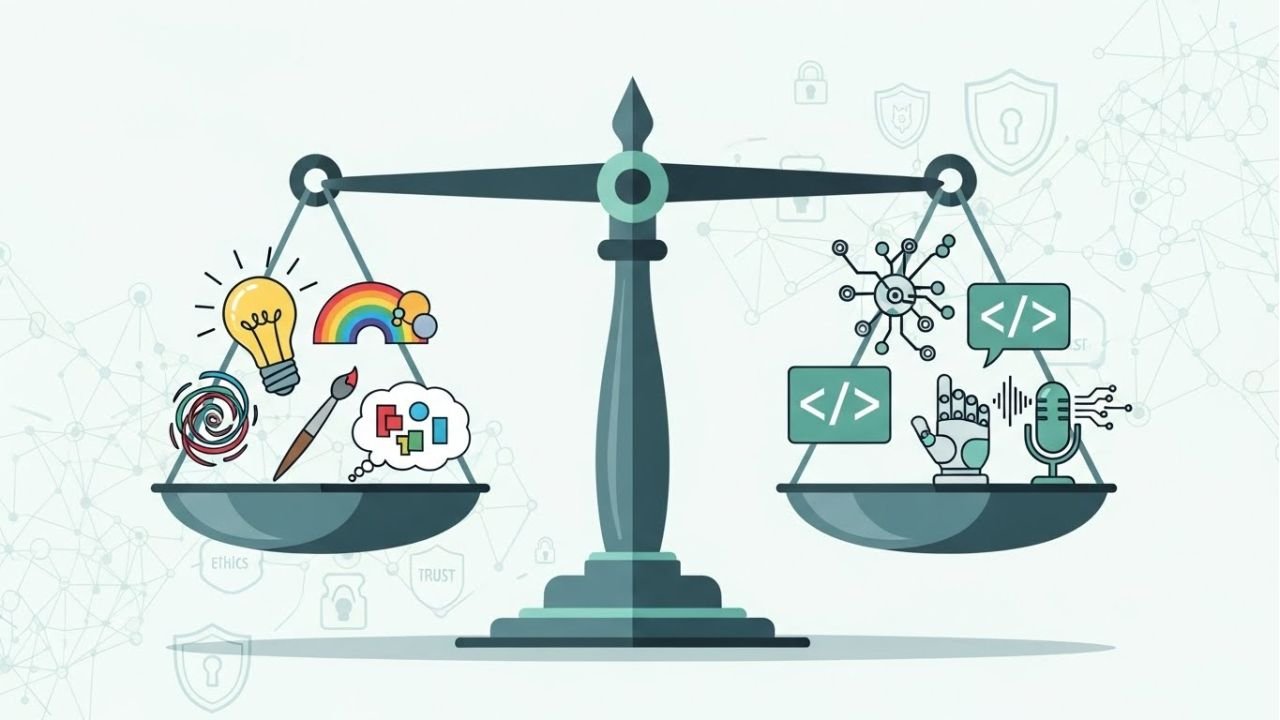
Ethical AI writing sounds big, but it is simple. It means using AI in a smart, honest, and fair way. When creators follow this path, they build trust, EEAT, and long-term credibility. Readers feel safe. Search engines trust the content. And creators grow with confidence. This is how you can beat writer’s block with AI the right way.
So, what does ethical AI content creation really mean? First, it means originality. Your ideas matter. AI should help shape them, not steal someone else’s work. Next comes transparency. You know when and why you use AI. You stay in control. Then there is intent-driven prompting. You guide AI with clear goals. You ask it to help you think, plan, or explain—not copy.
Many writers worry about AI writing help without plagiarism. This fear is valid. The safest rule is simple. Avoid copy-style prompts. Prompts like “rewrite this article” are risky. They can pull ideas too close to other work. That can hurt your reputation and SEO. Instead, ask AI to explain, brainstorm, or freshly organize ideas.
This is where responsible AI writing shines. AI for writers works best as a helper, not a copier. It supports clarity. It saves time. And it protects your voice.
When creators follow ethical rules, content stays human. It stays useful. Most of all, it stays yours. That is the future of AI-assisted writing—clean, honest, and creative.
The Ethical Prompt Framework That Helps Beat Writer’s Block with AI
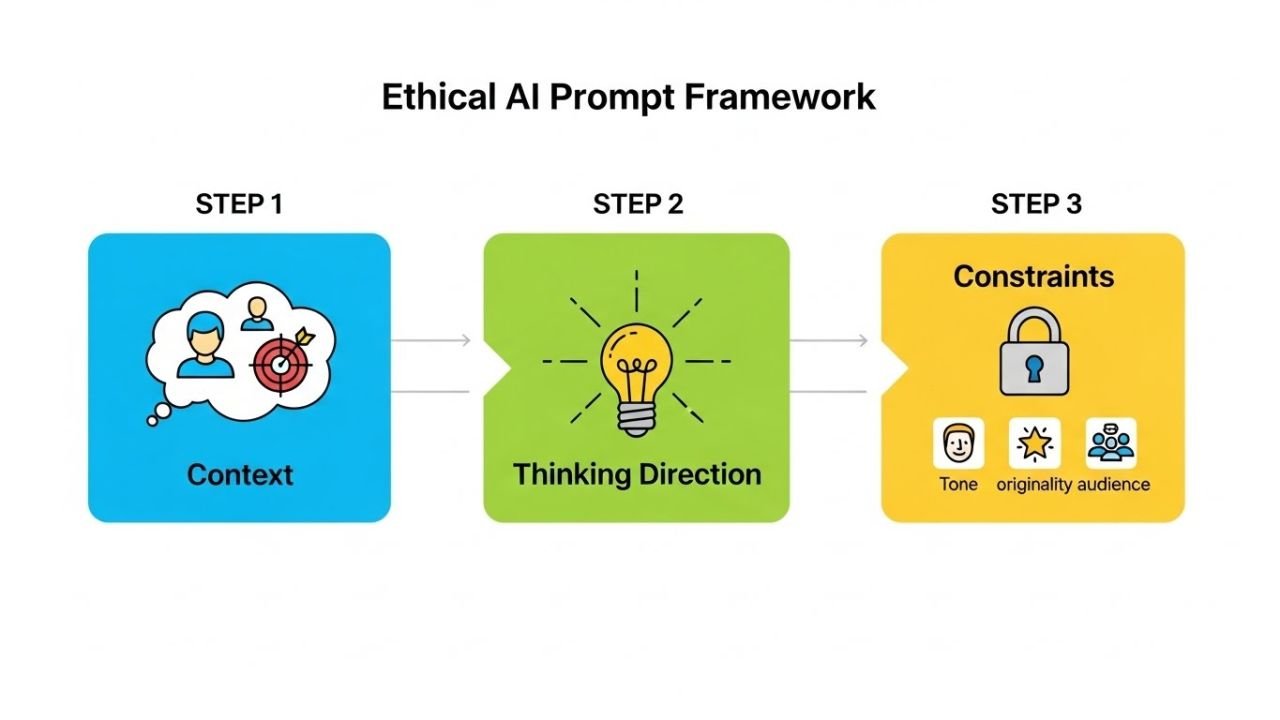
This section is the heart of the guide. It is the core value that helps creators beat writer’s block with AI safely and smartly. Many writers fail not because of ideas, but because of weak prompts. When prompts improve, creativity grows. This is why better prompts = better creative control.
The ethical prompt framework uses a simple 3-part formula. Anyone can use it. First comes context. You tell AI who you are and what you want. For example, you may say you are a blogger, a student, or a marketer. You also share your goal. This helps AI for writers understand your thinking space.
Next is the thinking direction, not the final output. This step is very important. Instead of asking AI to write everything, you ask it to help you think. You might ask for ideas, structure, or clarity. This keeps AI-assisted writing ethical and human-led.
The third part is constraints. Here, you guide AI with rules. You set the tone. You protect originality. You name your audience. These limits help avoid copying and keep your voice strong. This is a key part of responsible AI writing.
Together, these three steps create ethical AI content creation. They reduce pressure. They increase confidence. And they turn AI into a helpful partner, not a shortcut.
When creators use this framework, writing feels lighter. Ideas flow again. Control stays in your hands. And writer’s block slowly fades away—one smart prompt at a time.
AI Writing Prompts That Actually Unlock Creativity (Not Generic Content)
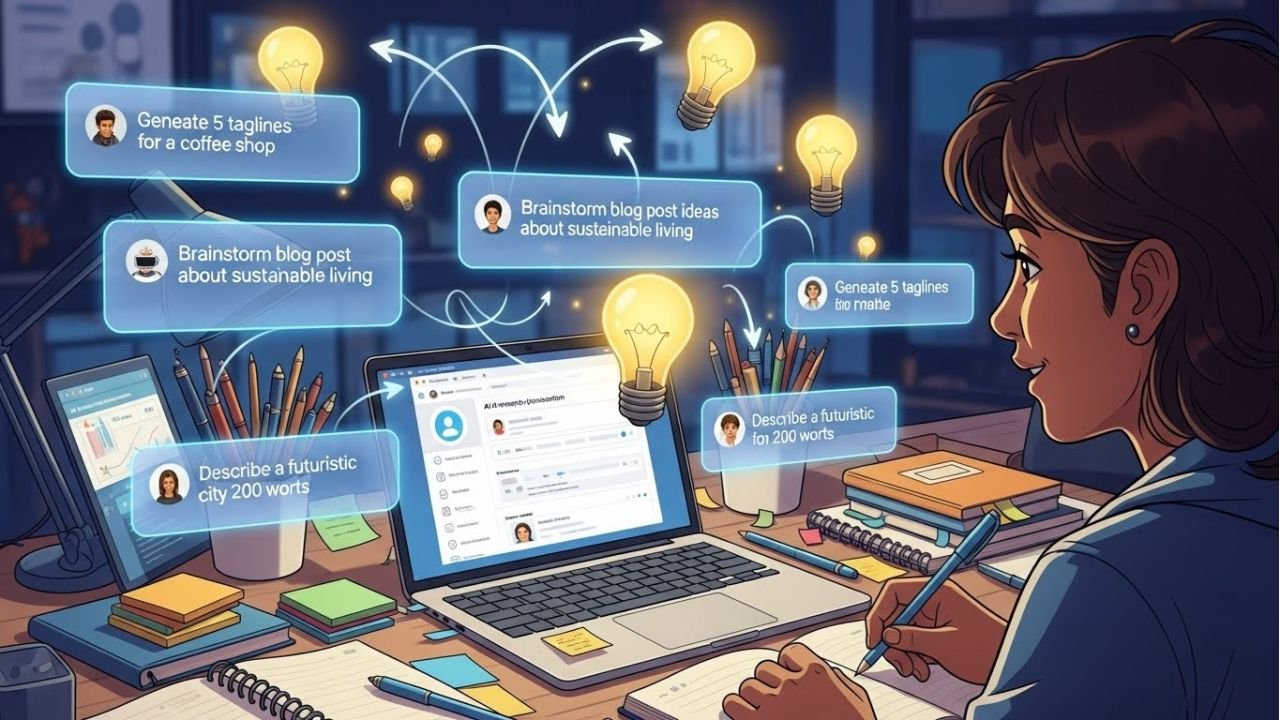
Writer’s block often happens when ideas get stuck or the mind feels overwhelmed. Using AI for writers the right way can unlock creativity without replacing your voice. The key is to use highly actionable and skimmable prompts that guide thinking, spark ideas, and help organize thoughts. Below are practical prompts for every common creative challenge, designed to help creators beat writer’s block with AI ethically.
Prompts for idea generation when your mind feels blank
When your mind feels empty, AI can help spark fresh ideas without writing the full content for you. These prompts guide brainstorming and generate possibilities, giving your creativity a gentle push.
“List 10 unique angles to explain [topic] for beginners.”
“Give me 5 surprising facts about [topic] that could inspire content ideas.”
“What are 7 questions my audience might ask about [topic]?”
“Suggest 5 creative ways to start a blog post on [topic].”
“Generate a list of story ideas based on [topic] with a fun twist.”
“Provide 5 examples of engaging hooks for [topic] for social media posts.”
These prompts help jumpstart thinking without forcing you to write complete paragraphs. Use them to break mental blocks, spark brainstorming sessions, and discover unique directions for your content.
Prompts for clarity when you know the topic but can’t start
Sometimes you have an idea, but can’t organize it. AI can help structure your thoughts and create clarity. These prompts turn messy ideas into simple steps or outlines.
“Outline a step-by-step guide for writing about [topic].”
“Break [topic] into 5 key points with short explanations.”
“Summarize [topic] into a clear, easy-to-read paragraph for beginners.”
“Convert these bullet ideas into a logical sequence for a blog post.”
“Suggest the best introduction and conclusion structure for [topic].”
“Create a simple roadmap to explain [topic] to an 8-year-old.”
These prompts give structure and clarity while keeping your human voice intact, making AI-assisted writing supportive, not intrusive.
Prompts for rewriting your own thoughts more clearly
AI can also help you polish and clarify your own ideas without changing the meaning. These prompts refine language, improve flow, and make your writing sharper.
“Rewrite this paragraph so it is simpler and easier to read.”
“Improve clarity and flow while keeping my original tone.”
“Turn these messy notes into 3 clear sentences.”
“Explain this idea in a fun and engaging way for beginners.”
“Suggest alternative phrases to make this paragraph more concise.”
“Transform these rough sentences into a smooth, readable paragraph.”
By using these prompts, you keep ethical AI content creation in focus while improving readability and maintaining your personal style.
Prompts for breaking perfectionism paralysis
Perfectionism can freeze ideas and delay writing. AI can help move past hesitation with prompts that encourage action rather than perfect output.
“List 5 simple ways to start writing about [topic] without worrying about mistakes.”
“Suggest quick, rough draft sentences to get started on [topic].”
“Generate a playful opening paragraph for [topic] to break the ice.”
“Provide 3 alternative first sentences so I can choose one freely.”
“Give me 5 rough bullet ideas to expand into a post without editing.”
“Create short prompts that encourage me to write freely about [topic].”
These prompts break mental barriers and help creators focus on writing momentum rather than perfection. They make AI a creative partner instead of a replacement.
Best Ways Content Creators Can Use AI to Overcome Creative Block
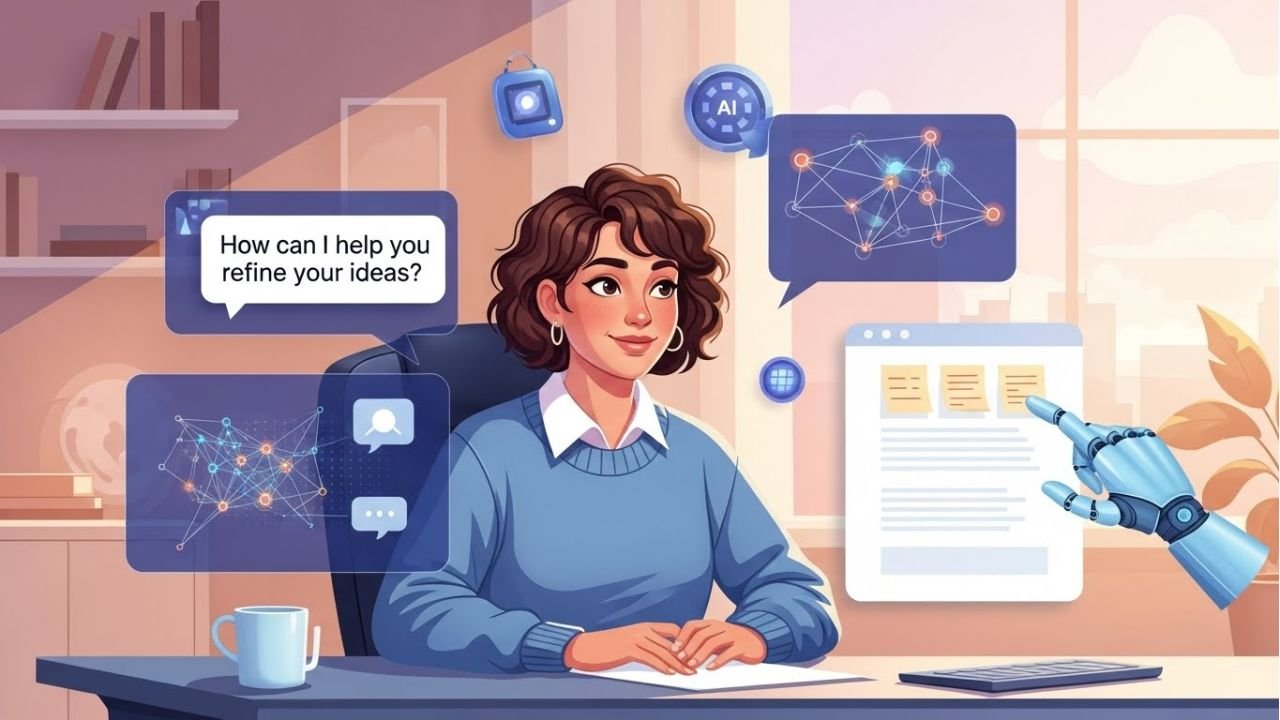
Many creators search online for simple help. They want to know how to write again without stress. This section answers that need. It aligns with long-tail intent, like how to beat writer’s block with AI safely and helpfully. The good news is this. You do not need AI to write for you. You need it to guide you.
First, use AI for outlines, not finished drafts. Outlines remove fear. They show the path. When you see clear steps, starting feels easy. This is one of the best uses of AI for writers. You stay in charge. AI only supports your thinking.
Next, try turning messy notes into structured content. Many creators have ideas everywhere. Notes feel confusing. AI can help sort them. It can group thoughts and arrange them clearly. This is smart AI-assisted writing, not copying.
Another powerful method is using AI to ask better questions, not give final answers. Questions spark ideas. They open the mind. When AI asks “why,” “how,” or “what if,” creativity wakes up. This keeps writing human and thoughtful. It is also a key part of responsible AI writing.
Together, these methods help creators beat writer’s block with AI without losing originality. They reduce pressure. They improve clarity. And they protect your voice.
When used this way, ethical AI content creation feels safe and fun. Writing becomes lighter. Ideas flow again. And creative block slowly fades—one clear step at a time.
Common Mistakes Writers Make When Using AI for Writer’s Block
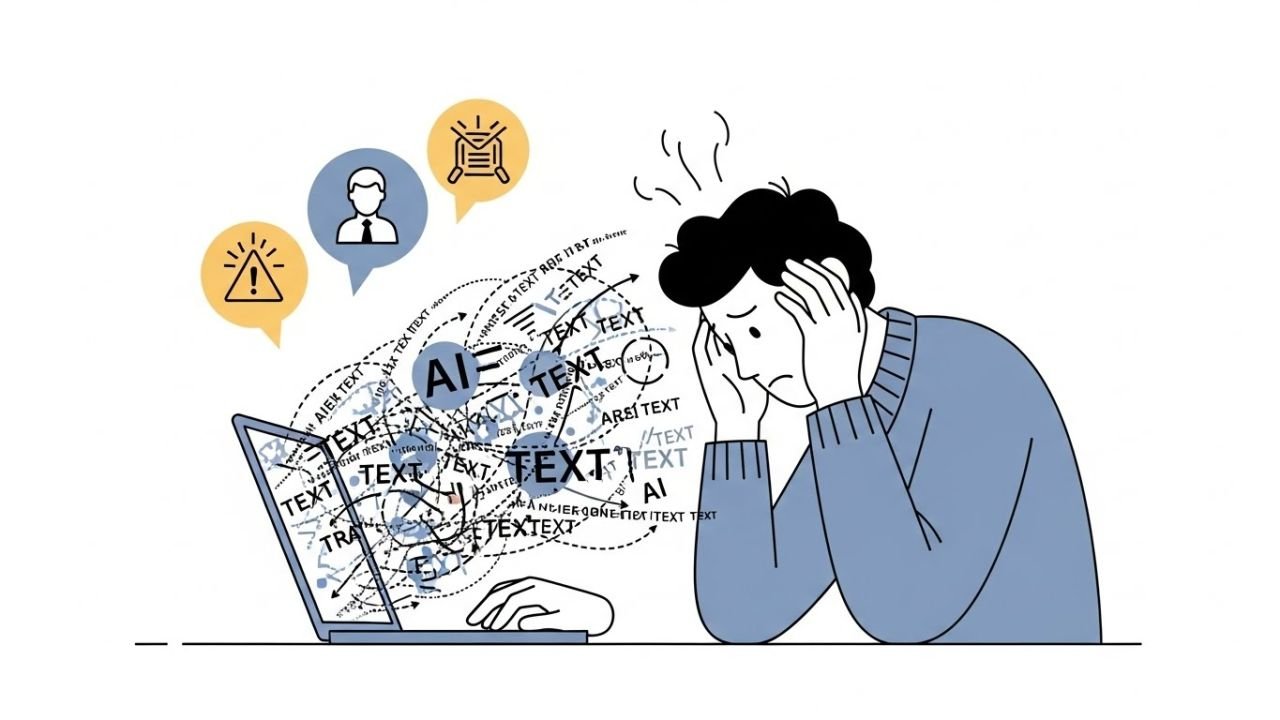
Many creators get excited about AI. It feels like magic. But without care, it can cause problems. This section helps prevent misuse and builds authority. By understanding common mistakes, you can beat writer’s block with AI safely and smartly.
First, avoid over-reliance on AI-generated text. AI is helpful, but it is not perfect. If you let it write everything, your work can lose originality. Readers notice when content feels robotic or copied. Remember, AI should support your ideas, not replace them.
Second, never let AI dilute your personal voice. Your unique style is your power. When AI takes over tone or phrasing too much, your personality disappears. Always review, edit, and adjust suggestions. This keeps AI-assisted writing ethical and authentic.
Third, don’t ignore ethics for speed. It is tempting to push content out quickly. But using AI unethically can hurt your credibility. Avoid copy-style prompts. Avoid shortcuts like “rewrite this article.” Instead, focus on guidance, ideation, and clarity. This is the heart of responsible AI writing.
By knowing these mistakes, creators can stay in control. AI becomes a creative partner, not a shortcut. It helps you think, structure, and spark ideas without replacing your voice. Ethical prompts keep your work original, human, and high-quality.
In short, avoid over-dependence, protect your voice, and respect ethics. These steps help you beat writer’s block with AI the right way—smoothly, safely, and creatively. Writing becomes fun again, with your unique ideas leading the way.
A Simple Workflow to Beat Writer’s Block with AI (Step-by-Step)
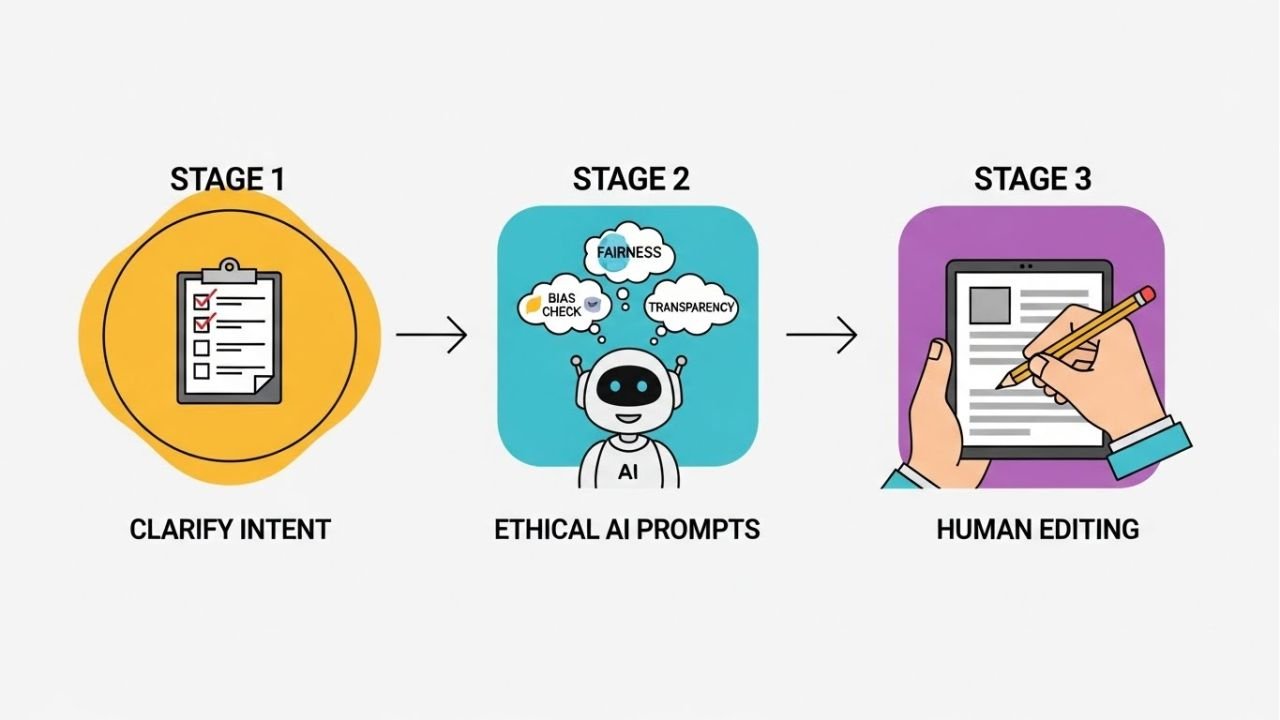
Writer’s block can feel overwhelming. The good news? You can beat writer’s block with AI using a simple, practical workflow. This step-by-step approach helps creators stay in control while using AI as a creative partner.
Step 1: Clarify intent before opening AI.
Before typing a single prompt, take a moment to decide what you need. Are you brainstorming ideas? Structuring a blog? Or just organizing notes? Clear intent keeps AI for writers focused and ensures your output matches your goal.
Step 2: Use ethical prompts to think, not write.
Ask AI to guide your thinking, not produce finished content. For example, request ideas, outlines, or questions to explore. This is ethical AI content creation in action. It supports your creativity without replacing your voice. Remember, prompts like “rewrite this article” are risky and reduce originality.
Step 3: Edit with human judgment and emotion.
AI suggestions are just that—suggestions. Always review, tweak, and infuse your own style. Use your human judgment and emotion to make the content authentic. This step ensures AI-assisted writing remains responsible, creative, and fully yours.
By following this workflow, content creators can unlock ideas, stay productive, and write confidently. AI becomes a thinking partner, not a shortcut. You gain clarity, maintain originality, and finally feel free to write again.
With this method, beating writer’s block with AI becomes simple, safe, and effective—one thoughtful step at a time.
Final Thoughts: Writing Freely Again with Ethical AI
Writer’s block can feel scary. It can stop ideas. It can slow progress. But now you know something important. You can beat writer’s block with AI smartly and kindly. When used well, AI for writers becomes a helpful friend. It supports thinking. It reduces stress. And it helps ideas flow again—without stealing your voice.
This ethical prompt toolkit shows a better path. It proves that AI-assisted writing works best when humans stay in control. Ethics matter. Originality matters. Your human voice matters most of all. AI should never replace your creativity. Instead, it should guide you, inspire you, and help you start when starting feels hard. That is the heart of responsible AI writing.
So remember this. AI is not a shortcut. It is a creative partner. It helps you think clearly. It helps you ask better questions. And it helps you enjoy writing again. When you use ethical AI content creation, your work stays real, honest, and powerful.
🔔 Now it’s your turn.
Save or bookmark this ethical prompt toolkit so you can return whenever ideas feel stuck. Next time writer’s block shows up, don’t force words. Instead, try one ethical AI writing prompt today and let your thoughts move naturally.
Finally, let’s grow together. 💬
Share your biggest creative struggle in the comments. Or pass this guide to a fellow creator who feels stuck. Together, we can write with confidence, clarity, and joy—one ethical prompt at a time. ✨